Accessories to Consider for Your Automatic Backup Generator

Accessories to Consider for Your Automatic Backup Generator

  • Generators
  • Miscellaneous
generator accessories

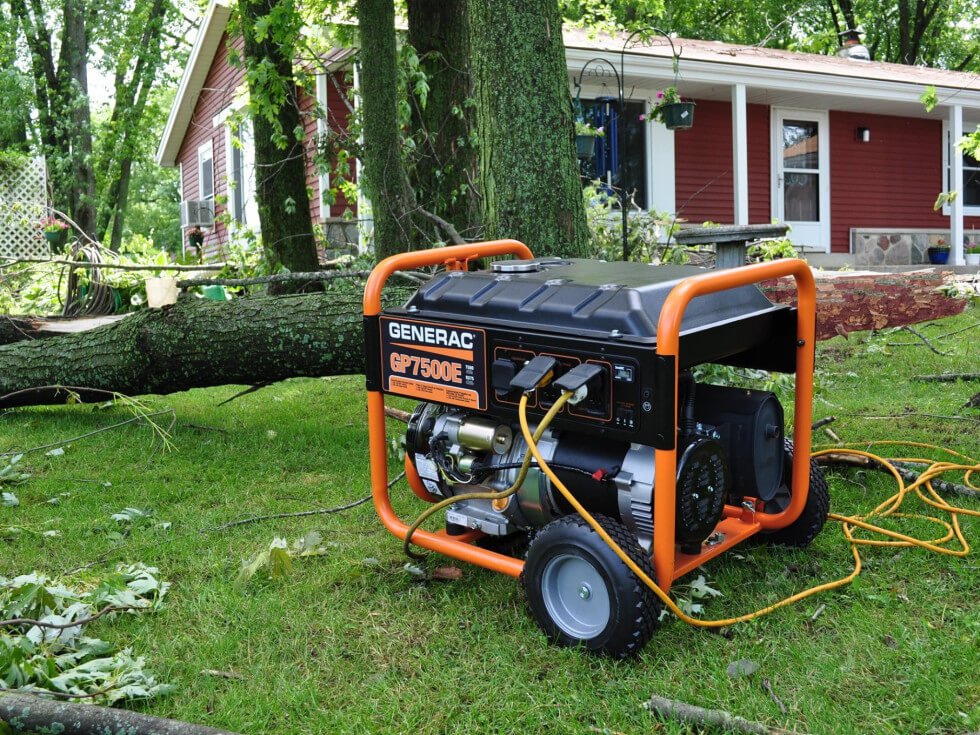
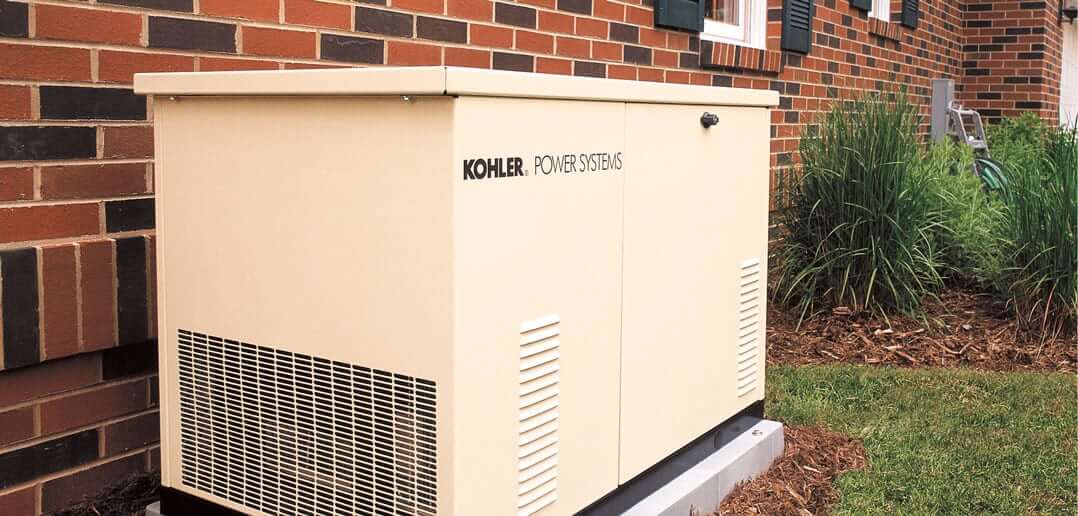
Whether you’re in the shop for a new automatic backup generator or you’re a seasoned owner of a reliable, considering a few helpful accessories can save you from potential headache later down the line. Accessories that you’ll locate online will range from pure-maintenance use to pure-aesthetic purpose, so figuring out exactly what you desire/ are looking for in an accessory can be totally subjective to the buyer. We’ve laid out the most common accessories, dabbling in both the aesthetic and the practical, to try and help you pinpoint exactly what you may want to consider tacking on to your automatic standby generator purchase or grabbing to help your already-installed backup generator.

Extra Oil Filters

Clean oil is a crucial element to any well-maintained automatic generator. As time rolls on, your current filter will begin to dirty due to a variety of reasons that could honestly make up their own separate article. A dirty filter means bad news for your engine. At first the filter will be less and less effective at separating different contaminates from your engine that make their way into your oil. This can cause damage to the engine over a long period of time. When the filter gets dirty enough, it will become clogged and limit the oil that can get to your engine when it needs it. This can do serious damage to your backup generator and warrant extra cost for repair. 

Extra Air Filters

If it hasn’t become clear yet, the engine coupled in a backup generator is maintained very similarly to an automotive engine. You’ll see many of the same terms mentioned regarding both. When an air filter is blocked with contaminants, airflow and clean oxygen intake is decreased significantly. Without clean oxygen to mix with the fuel, your engine cannot use the gas you provide it as efficiently as it would like, and the engine begins to experience a significant amount of stress. This stress, over time, can cause unbeknownst damage to your generator. Having an extra air filter on hand means that you will be able to stay on top of generator maintenance instead of being purely reactive to issues when they come up.

Fascia

These are purchased for more aesthetic reasons than any, but also provide some practicality. Purchasing some fascia that fits together around your unit will give it a sleeker, smoother look than the clunky, box-like look it most likely has now. This will allow your generator to look a lot more natural sitting in your yard with the rest of your landscape. For anyone, including small children, running around in your yard, fascia can prevent them from getting any nasty scrapes or wounds while passing by the corners of the generator during play.

Touch Up Paint

Despite how it may sound, touch up paint is in fact not used for aesthetic purposes. As much as we’d love to tell you that you can spray paint your generator that neon-green you’ve always wanted, touch up paint is actually used to prevent future corrosion on your generator. You simply spray it on current scratches and other signs of wear and tear on your generator, and the spray will prevent any corrosion from building up in those spots. This can be particularly useful for seasoned generator owners who haven’t checked for corrosion in their generator yet, and need a quick way to stop it from growing or prevent any more from happening.

Maintenance Kits

For any standby generator, and to a much larger extent any engine in general, routine maintenance is a must. The consensus for maintenance on a standby automatic generator is at least once a year. Exposure to the outer elements, dust, or even salty air can cause long-term issues with your generator if not maintained properly. Luckily, many generator suppliers, including Generac, offer maintenance kits that make your generator upkeep as easy as possible.

Most commonly a maintenance kit will include:

  •         Fresh oil that is compatible with your generator
  •         A new oil filter to replace the old one in your system
  •         A new air filter to replace the old one as well
  •         A pre-cleaner
  •         An oil funnel
  •         New spark plugs
  •         Chamois
  •         A reminder sticker

All of these items are essential for that yearly tune-up that your generator requires. Kits are priced around the $50-$100 range depending on the make and model of your generator as well as the contents of the kit.

Cold Weather Kits

If the temperature surrounding your generator regularly dips below 32 degrees Fahrenheit, it may be in your best interest to consider a cold weather kit. Colder climates can affect everything in your generator from the oil itself to the battery. The longevity of your generator, as well as the efficiency at which it runs is put at serious risk in cold temperatures.

Most cold weather kits include:

  •         Fresh oil
  •         An automatic battery warmer
  •         A crankcase oil heater
  •         An automatic thermostat that functions in tandem with the crankcase and battery warmer

In cold/sub-zero temperatures your battery longevity is reduced and your oil becomes more Jello-like than smooth liquid. Getting the warmers attached to your generator will help prevent these detriments while keeping your generator healthy and functioning. All of these accessories can be found at most generator providers’ websites, including Generac’s!

For More Information on Generator Accessories, Call NSHEC Today!

Contact North Shore Home Energy Today for the Best in Electrical Work!

Check Out Our Current Specials!

Read The Great Things That Your Neighbors Are Saying About NSHEC.
By nshec

How You Can Prepare Beforehand With a Generator Installation

How You Can Prepare Beforehand With a Generator Installation

  • Generators
generator installation

Storms and harsh weather conditions are the usual culprits for a power outage, and unfortunately, there isn’t much you can do to prevent them. No homeowner should have to deal with a power outage, especially when your food can spoil and your home is at risk of flooding because the sump pump can’t work. The good news, however, is that you can prepare your home for a power outage with the right kind of generator.

How a Generator Can Help You

Power outages happen, but the problem is what can happen to your home once the power goes out. Homes that experience power outages without a generator are subject to power surges, which can harm your appliances, a flooded basement or damaged plumbing, especially during the winter season, and possibly an entire fridge full of spoiled food. Installing a generator to your home may be expensive, but the damage done by power outages can be even more costly. Here’s how a generator can benefit your home.

  • It turns on instantly. Generators like a backup or standby generator work by detecting when the power goes off, generating power immediately. This prevents power surges because there is a constant source of power running in your home. A power surge is a spike in your home’s electrical current and it usually happens when the power is abruptly cut off and turned back on. Although power surges are common, they can destroy sensitive electronics like your computer or entertainment system and even start an electrical fire.
  • It protects your home. On top of preventing fire hazards, a generator makes sure important appliances like your home’s security system keep running. Your safety should always be a top priority, but without power your security system can’t protect you and your household from intruders.
  • You stay comfortable. A home without power in the dead of winter, or in the hottest month of summer can make anyone miserable. Having a generator installed and ready ensures you stay comfortable no matter when a power outage occurs.

What to Consider Before Installing a Generator

A generator is an appliance that any homeowner can benefit from, but it’s important to make sure you get the right generator for your home. Emergencies happen, but the worst thing you can do is to shop for a generator when you need one. It’s best to plan early, as finding the right generator will require some careful consideration. A generator is another major appliance, which is why you need to consider the following first.

  • Determine your load. Generators aren’t designed to power the entire house, which is why it’s important to prioritize what gets power and what doesn’t. Make sure to run through a list of what needs power, things like your refrigerator, HVAC system, and sump pump, to see which generator will best fit your needs.
  • Make sure to install a transfer switch. A transfer switch is a must have, as you can’t just plug in the generator to your house. Your house needs to be disconnected from the grid before starting the generator; otherwise the electricity produced can travel beyond your house and enter the grid, potentially killing any utility employees at work. A transfer switch is a safe solution that works by being wired directly to the house and shutting off power before the generator starts, directing any power generated to the designated circuits.
  • Consider the types of generators. Depending on where you live, you may need to consider something more powerful like a standby generator or something just the occasional power outage, like a portable generator. If you live somewhere secluded where a power outage could last days or have life-saving medical equipment, you might want to consider a standby generator.
  • Test it periodically. Once you’ve found the right generator, it’s important to let it run every now and then. Periodic test ensures your generator runs, and alerts you of any potential problems. Make sure to keep your generator somewhere level and well-ventilated. The best location is where you can easily access it for refueling later.

Stay Prepared With the Right Generator

A generator is a must have for any homeowner, but it’s important to make sure you get the best generator for your home. A licensed electrician will know what type of generator will best work for your home, and ensure a safe installation. Power outages aren’t just a nuisance; they can cause costly damages to your home. Don’t wait until it’s too late, prepare your home by calling an electrician today.

For More Information on All Things Generators, Call NSHEC Today!

Contact North Shore Home Energy Today for the Best generator installation service  in Amesbury and the surrounding area!

Check Out Our Current Specials!

Read The Great Things That Your Neighbors Are Saying About NSHEC.
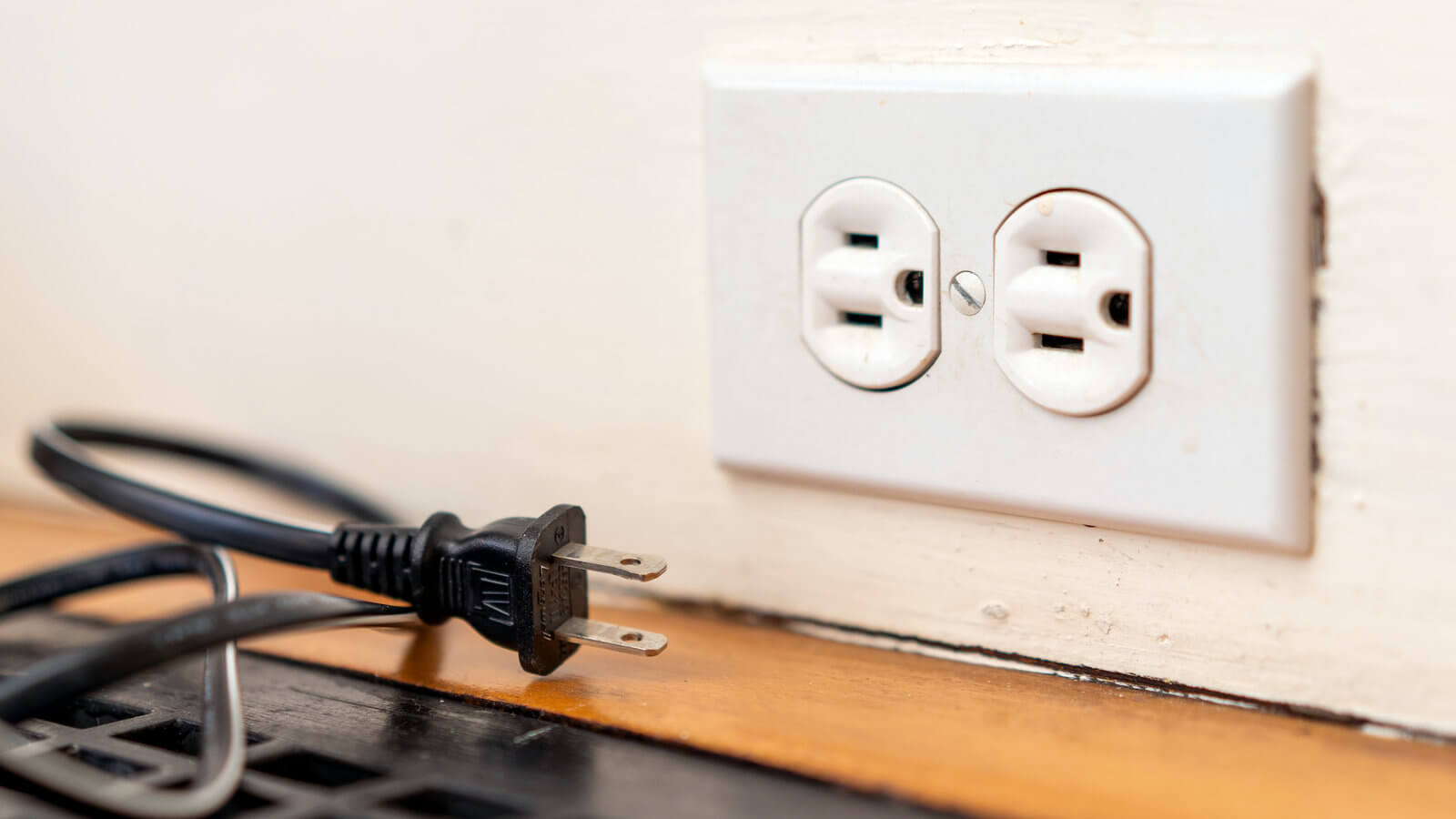
generator installation

By nshec

9 Electrical Safety Warning Signs in Your Home

9 Electrical Safety Warning Signs in Your Home

  • Electrical
electrical safety

If you haven’t had an electrician to your home lately, you may want to consider doing so as a prevention strategy. This way, you can find issues before they develop into serious problems. As homes age, wiring frays and connections loosen. New appliances can strain the system. It’s important to have electricians to your home for routine maintenance.

If you do not recognize the warning signs of an electrical safety hazard, resulting issues can be annoying, expensive, and dangerous. At the least, electricity that isn’t working causes inconveniences. Repairs are time consuming and costly. If your appliances aren’t working efficiently, your energy bills will be higher. Appliances or lights  damaged beyond repair require replacements. A wonky electrical system lowers property resale value. At the worst, ignoring signs of impending electrical safety hazards means your home is at a higher risk of an electrical fire, or shocking someone.

However, knowing the warning signs of electrical system failures, and using preventative maintenance, brings many benefits. You will pay less for your monthly bill, your property resale value will be higher, the lifespan of your lights and appliances will be longer! Your family will be safer. Read on to discover which warning signs to be aware of.

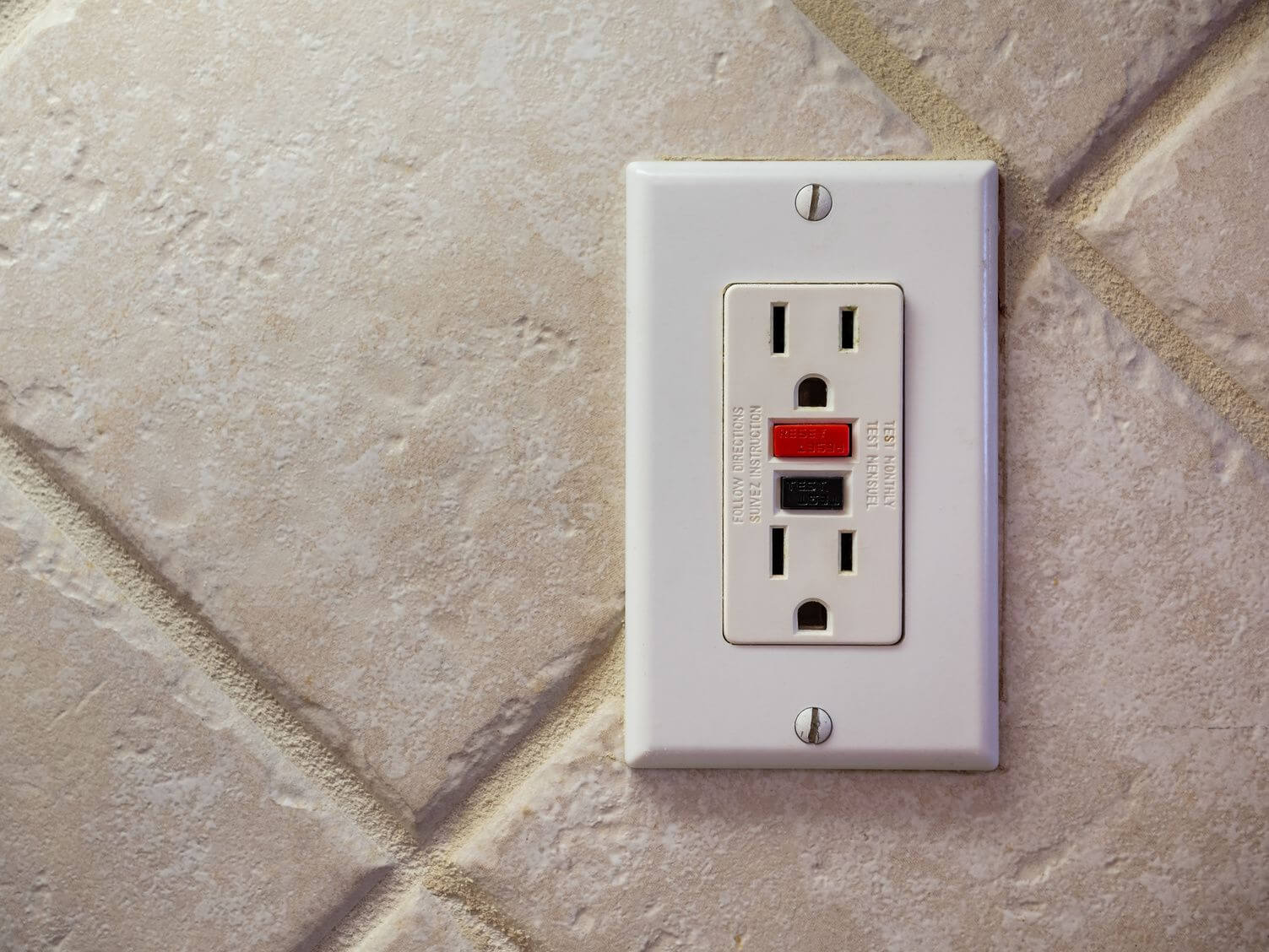
1) When outlets have burn marks on the cover, the hot, or energized, wire has touched the neutral or ground wire. Corrosion over time or dirt and dust can make this problem occur.

2) If your lights are flickering or dimming more than just once in a while, your system’s connections are loose somewhere, or you have voltage fluctuation – a serious problem. Other symptoms of voltage fluctuation are light bulbs glowing too bright or too dim, or burning out faster than they should.

3) Smoke that smells off may signal a fire. The beginning stages of electrical fires,  as well as  brief burns caused by a short circuit, give off a tell-tale, acrid-scented smoke. A short might cause an electrical fire if it occurs within the walls, and catches surrounding materials on fire. If you have any sign of shorts occurring, remove the fuse or turn off your circuit breaker until an electrician can come by to check the circuit.

4) Other symptoms of trouble behind your walls are any kind of noises, like buzzing or clicks, when you flip a light switch. This is caused by faulty wiring within or close to the switch or outlet, or a loose connection on the switch, causing a short.

5) If you have mice in your house, then you might need to worry that they are chewing your wiring. Rodents gnawing on electrical wires will obviously cause problems with your system – not least, a potential electrical fire. Luckily, this problem isn’t as common as some of the other ones in this list. However, rodents have been known to chew wires to clear room to squeeze into holes passing through studs … and if you find one stud where they’ve done so, chances are they did it at more than one stud.

6) Another sign that you’ve got a problem is a circuit breaker that keeps tripping. Circuit breakers are built to “trip,” or shut off their electric flow, when they become overheated – to prevent damage or an electrical fire. If it’s doing this continually, chances are you’ve got an overloaded circuit, ground fault, or a short circuit.

7) Frequent power outages are an extremely frustrating sign of electrical issues. They can mean many various problems. Electrochemical treeing is one such issue, which happens when poorly manufactured insulation has allowed moisture penetration to occur, reducing dielectric strength. Or, power outages can be due to transformer failures, lightning, tree branches or fallen trees pushing lines together, birds nesting and causing faults on transmission towers, pecking at utility poles, or contaminating insulators with excrement, or contact from other animals – snakes, squirrels, insect colonies, large mammals, or rodents (view number six.)

8) Outlets or switch plates that become hot – especially when they don’t even have anything plugged in – likely mean improper wiring. You may need to flip the breaker, or or remove the outlet’s fuse, until you can schedule professional help.

9) Serious sparks from an outlet means you’ve got a short circuit, which can cause a fire. Sparking breaker panels or fuse boxes are just as serious. If an appliance is sparking, however, that’s more likely a sign that the appliance itself is damaged – get the appliance repaired. If the appliance is new, its warranty may take care of repair costs.

If you notice any of these signs, time to call the electrician! Wait too long, and the problem will only get more expensive to fix  and the possibility of danger increases. 

For More Information on All Things Electrical Safety, Call NSHEC Today!

Contact North Shore Home Energy Today for the Best Electrical service  in Amesbury and the surrounding area!

Check Out Our Current Specials!

Read The Great Things That Your Neighbors Are Saying About NSHEC.
By nshec

7 Factors to Consider Before a GFCI Installation

7 Factors to Consider Before a GFCI Installation

  • Electrical
  • Miscellaneous
gfci installation

Many people don’t understand how electric circuits work, and the equipment used to protect your family from an electric shock or fire. This is done through a ground fault circuit interrupter (GFCI), which is one of the most important pieces of equipment in a home that can save your life. For any areas that have both water and electricity, a GFCI is a must, and is required by law according to the National Electric Code (NEC).

What does a GFCI do?

A GFCI detects any irregular current flows and shuts off the power before things become serious. Without a GFCI, there is a heightened risk, putting you and your family at risk. Without a GFCI in place, property values are lowered due to the high risk of electrical issues being present. There are three main advantages to having GFCI outlets:

  • Preventing Shock

GFCI outlets prevent electrocution and shock. The built-in sensor monitors the change in electric flow and will shut down when there is a problem. Although a little more expensive than standard outlets, it is well worth the cost.

  • Preventing Fire

GFCI outlets detect ground faults. This aids in preventing electrical fires. Coupled with the assistance of electrical fuses, the likelihood of an electrical fire occurring is very slim.

  • Prevention of Appliance Damage

As time passes, there are instances where electric currents can damage certain appliances within home. This is one reason why computer hard disk drives fail or shut down. When using a GFCI, when leaks are detected, the circuit will shut down. This helps protect your appliances and equipment from being damaged.

What is the difference between a GFCI and a circuit breaker?

Circuit breakers are designed to protect an electrical circuit from damage caused by overload or short circuiting. It can be reset automatically or manually to continue operation. They are designed in a number of sizes – consider it a mechanical fuse. A GFCI senses a leak in the circuit, usually before the circuit break. Although both interrupt electrical shortages, the GFCI is more sensitive, identifying other places that have water usage.

Where should you install a GFCI?

Before installing a GFCI, it is best to know where it should be placed. Because GFCIs detect electrical currents near water, it should be installed in an area that is subject to moisture. This includes bathrooms, kitchens, laundry rooms, garages, and other places where moisture can collect.

How do you test a GFCI?

If you have a GFCI that was installed prior to 2006, you need to test it with a circuit tester. You plug it into the outlet and push the test button. If the power goes off, the GFCI is still working. Pressing the reset button will restore power. If the power does not go off, that means the GFCI is no longer working. Newer GFCIs give you an automatic warning when they are no longer working, and the power will shut off on its own. This indicates it needs to be replaced.

How does a GFCI differ from an AFCI?

An Arc-Fault Circuit Interrupter (AFCI) outlet is designed to recognize arc faults, which are in the wiring. A GFCI protects people from electric shock. Faulty wiring in arc-faults can be a result of humidity or heat, extended mechanical or voltage stress, or age. When wires become damaged by nails or other punctures, animal bites, or bent wires that cause cord damage, this can result in arc-faults.

How do you use a temporary GFCI?

A temporary GFCI is used to provide electricity for areas that need temporary use. This is done by installing a GFCI breaker that should be tested on a weekly basis to ensure there are no hazards that could cause electric shock or fire. There are certain rules to follow for temporary installation, and additional guidelines to be followed for installation removal.

When can you use temporary GFCIs?

You can use temporary GFCIs when you have certain activities going on that require electricity, but can be removed after completion of the purpose. This includes remodeling, demolition of buildings, developmental work, emergencies, tests, decorative lighting for events, and other instances where temporary electrical power is needed. Temporary GFCI installation has time limits on the amount of time it can be used, based on the use. Portable GFCI devices are also widely used on job sites, for portable generators, vending machines and more.

Knowing these seven factors on how and why GFCIs are important can provide peace of mind, knowing the risk has been lessened and will keep your family comfortable and safe. Now you are aware of what is required, whether installing yourself or using a contractor. This will assist in making sure your home is protected the right way.

For More Information on All Things GFCI Installation, Call NSHEC Today!

Contact North Shore Home Energy Today for the Best in Electrical Work!

Check Out Our Current Specials!

Read The Great Things That Your Neighbors Are Saying About NSHEC.

gfci installation gfci installation

By nshec

10 Common Causes for Furnace Electrical Failure

10 Common Causes for Furnace Electrical Failure

  • Heating
  • Miscellaneous
furnace electrical failure

Your heating system broke down in the middle of the coldest night of the season. Oh no! Before you call a professional for furnace repair, you need to know what caused your system trouble to begin with. If it’s a result of bad electrical connections, you definitely need to know what went wrong, even it just comes down to a blown fuse. The clock is ticking, and the weather isn’t getting any warmer.

Here, we’ll explain what kinds of electrical problems can sink your furnace’s performance so you can call for help before you’re left without heat at all.

The Importance of Furnace Maintenance

Your furnace has a big job. It’s tasked with keeping your family warm and comfortable during the winter months. With proper maintenance, your furnace will continue to heat your home efficiently for many years to come, helping you save money on utility bills while providing a steady flow of heat throughout your home. If left unattended to, however, your furnace could leave you facing costly repair or replacement bills. Improperly maintained furnaces often have shorter life spans and increased safety hazards. Not to mention, they can leave homeowners without heat when they need it most.

10 Common Causes of Furnace Failure

Wondering what leads to furnace electrical failure? The following are 10 common problems incurred by improperly maintained furnaces:

  1. Clogged filter. Dirty or clogged filters reduce airflow, which ultimately forces the furnace to work harder to circulate air. Clogged filters can also damage the limit switch, which is responsible for controlling the fan. Be sure to clean your filters regularly, or simply swap them out for new ones.
  2. Loose wiring. When your furnace is running, it causes a certain amount of vibrations. Over time, these vibrations can cause internal wiring to become loose, which can eventually lead to an electrical short. A single loose wire can be difficult to find, so it’s best to have regular tune-ups to ensure your wiring stays tightly connected.
  3. Incorrect fuses. It’s essential to equip your furnace with fuses large enough to handle the capacity of your heating system. If a fuse is too small, it will almost assuredly result in electrical problems.
  4. Dirty fuses. Dirt and soot are normal parts of your furnace’s daily life, but it’s important not to let these elements build up. Excessive grime can impede your fuses from being able to connect to the electrical components. To ensure sustained connectivity, be sure to keep your fuses cleaned as part of regular, ongoing maintenance.
  5. Exposure to water. Water and electricity don’t mix. If your furnace is tucked away in a damp place or located near any water leaks, an electrical failure is likely in your future. Seal any leaks to remove excessive moisture that could cause your furnace’s electrical system to fail.
  6. Transformer failure.  Transformers are responsible for converting energy into the correct voltage necessary to run your furnace’s controls, ignition, and timer. If your transformer isn’t functioning properly, it won’t support your home’s electrical system correctly. If you’re unsure about your transformer’s capacity, it’s best to contact an HVAC professional as soon as possible.
  7. Faulty starting capacitor. The capacitor is to your furnace as the starter is to your car. It’s necessary to get the system started. If your capacitor is on the fritz, it may cause intermittent electrical problems. Faulty capacitors can be replaced fairly inexpensively, which should solve the problem.
  8. Faulty blower motor. Motors require a good amount of energy. If your blower motor is failing, it will put additional strain on your power source, eventually leading to an electrical short. A faulty blower motor should be replaced by an HVAC expert.
  9. Failed valves. Natural gas or propane furnaces are equipped with valves that regulate gas pressure. If a valve is malfunctioning and unable to open and close properly, the pressure regulators will not work properly. This can cause the malfunctioning valve to heat up, resulting in an electrical short and a blown fuse.
  10. Thermostat control wiring problems. There are plenty of wires surrounding your furnace, and if someone isn’t careful, he or she could inadvertently move or disconnect the wires that interact with your thermostat. The control board of your furnace has a separate fuse that keeps it from getting too hot. Beyond the surface lies your furnace’s wire frame, which can easily be the culprit for blown fuses and short circuits, particularly if someone erroneously found their way to this thermostat control system and relocated some of the wiring.

When it comes to your home heating system, it’s always better to be proactive, rather than reactive. Furnace electrical failure can leave you out in the cold when you need heat the most. To ensure your heating system stays healthy and happy, schedule regular furnace tune-ups with HVAC professionals.

For More Information on All Things Heating Maintenance, Call NSHEC Today!

Contact North Shore Home Energy Today for the Best in Heating Maintenance!

Check Out Our Current Specials!

Read The Great Things That Your Neighbors Are Saying About NSHEC.

By nshec

8 Benefits of Investing in a Generator for Your Amesbury Home

8 Benefits of Investing in a Generator for Your Amesbury Home

  • Generators
generator in Amesbury

Whether you’re a business owner or you’re just looking for a generator for your Amesbury home, there are big benefits to getting a backup power system. You’ll save money, irritation and mental energy in the long run. Consider the following points as you weigh the pros and cons of a new generator.   

  1. Prevent food loss from spoiling. Individuals and families can spend hundreds of dollars a month on foods that stay in the refrigerator or freezer until they’re ready to use those ingredients. When the power goes out and stays out, it can mean that you have to throw out food before you’ve had a chance to use it. 
  2. Standby generators kick within seconds of a power outage. Your neighbors might be without power when the utility company suffers an issue, but with your standby generator, you’ll just have to wait a few seconds. The generator will start and warm up for a few seconds before it starts to power your home, but that shouldn’t take too long, often between 10 and 20 seconds  
  3. When power comes back on, the transition will be smooth. Standby generators help to smooth the transition from generator power back to utility-generated power.  These units typically run for a few minutes after the utility company gets the electricity back up and running, to ensure that the power is indeed stable enough to power your home. Once the motor has cooled a bit and the demand for power has transitioned to the utility lines, the generator shuts off.
  4. Even during an extended power disruption, you’ll be able to entertain yourselves and your family.  You’ll be able to watch TV, listen to music, have electricity to read by, and have hot water for bathing and other usage.  Assuming you have a standby generator, you won’t be dragging out a portable generator and looking for extension cords. With a standby generator, you shouldn’t even have to get up from where you are or interrupt your activities. 
  5. Commercial property and business owners will not see a disruption in their security system coverage. With a backup generator that kicks on within seconds, you’ll hear a warning beep, but the power should be up and running quickly enough that there’s no real disruption in protection for your business.
  6. Generators keep sump pumps working properly. If you have a sump pump  near your basement to keep the water out during particularly rainy and wet times, you won’t have to worry about potential flooding issues from a power loss. A generator keeps the sump pump running with minimal interruption, which could mean minimal damage from wet weather that knocks out the power grid.
  7. You can keep connections with others alive. So many people have digital devices that they use to communicate with others as well as entertain themselves. And we’re talking about more than just a phone. Computers are such a big part of everyday life now. Losing power can be very disruptive.
  8. You never know when you need backup power.  There are many reasons that the power might go out. Severe weather, trees falling onto power lines, even rodents gnawing on connections – these are all reasons that the power might unexpectedly fail, and no one can predict exactly when something like that might happen, or how long it might last, particularly in the winter months when the weather is unpleasant and cold. 

Whether you’re building a new home or looking to add a generator to your Amesbury emergency kit, there are tradeoffs, like the cost of the system. For a business owner who has power tools to run at work sites or at their main site, a generator is an investment that can help employees get more done. For homeowners, the investment into a backup power system (whether a permanent standby generator or a portable unit) could pay for itself with a bad winter or unpredictable electrical grids. 

For More Information on All Things Generators, Call NSHEC Today!

Contact North Shore Home Energy Today for the Best Generator service in Amesbury and the surrounding area!

Check Out Our Current Specials!

Read The Great Things That Your Neighbors Are Saying About NSHEC.
By nshec

Furnace 101: Everything You Should Know As a Savvy Homeowner 

Furnace 101: Everything You Should Know As a Savvy Homeowner 

  • Heating
  • Miscellaneous
furnace

The most common source of home heating in the United States is the furnace. But most people don’t understand how this amazing piece of machinery really works.  It’s either out in the garage or in the basement, out of sight and out of mind.

However, if you’re a homeowner, it is important to understand how this heating system works. Why? If your furnace is displaying issues, it’s better to recognize there is a problem and have a general idea of what may be causing the furnace problem rather than have the issue go unnoticed or ignored.  The results could be dangerous and extremely expensive in labor, repairs, replacement and other costs.  

Benefits of Understanding How Your Furnace Works

Homeowners who understand how their furnace works will experience many long-term benefits, including:

  • A longer lasting heating system:  When a homeowner understands how their furnace works, the chances of noticing a problem right away increases.  The more a furnace is inspected and maintained, the longer it will last.  And since this is an expensive piece of equipment for your home, you will want to avoid having to replace it before its time.  
  • Greater energy efficiency:  A furnace that is working at it’s best will produce heat in your home with ease, making your property greener. However, if your furnace struggles to work, it will take more and more energy to produce heat and in the long run, this will cost your more money and put unnecessary stress on the furnace system.  
  • Quicker reaction time to problems: The faster you notice a problem with your furnace, the quicker you can get someone to take a look at it.  This will prevent any hiccups in your heating. The last thing you want is to be stuck in a cold house where the heat isn’t working.  
  • Improved home comfort:  When your furnace works the way it is supposed to, you can be guaranteed a warm, comfortable home all season long.  By paying attention to your furnace and how it is working, you can avoid any major problems during the colder months.  

How Your Furnace Works

The furnace is a remarkable piece of machinery that is responsible for you keeping you and your family warm as the temperature drops outside.  To understand how it does this, we have broken down the process into steps.  Essentially, a furnace heats a home using the six step process outlined here:


  • Step 1:  The thermostat senses the temperature in the home.  If the temperature is too low, according to the temperature you set on the thermostat, the furnace burner turns itself on. Sometimes you will hear a clicking sound when this happens.  
  • Step 2:  Once the burner is on, it will continue to run until the temperature set on the thermostat is reached and maintained.  Your furnace is smart and can sense the temperature in the house at all times – as long as it is working correctly.  
  • Step 3:  Now that the furnace is running, what is actually happening inside the device?  The heat produced by the burner circulates inside the heat exchanger, which then transfers combustion gasses to the flue vent connector and then to a building chimney where they are vented outside. These gases belong outside because if they are contained in a small space, such as your home, they produce negative health effects such as eye and respiratory irritation, coughing, headaches, tiredness and dizziness.  

The following last steps are straightforward and explain how a furnace turns a cold house into a place of warmth after getting rid of combustion gases. 

  • Step 4:  The furnace also works as an air filter during this next step.  Using an electric fan, the furnace pulls in fresh, cold air and filters it so that you won’t be breathing in dust and other harmful particles.  Not only that, but the air must be clean when running through the system to keep the machinery in tip top shape. For this reason, it is Important to replace filters every few months.  
  • Step 5:  At this point, the filtered air passes into the plenum, a small, enclosed space.  The hot air rises from the heat exchanger and then circulates throughout the home via air ducts. This heating process continues over and over until the desired temperature is created and maintained throughout the home.  
  • Step 6:  The furnace regulates itself with a blower fan.  The fan is able to turn on and off to regulate the amount of heat produced.  System size is important at this stage.  If a furnace is too large for the area it intends to heat, it will short-cycle.  If it is too small, the furnace will constantly run during the colder months and  in turn use a lot more energy to heat a home than should be necessary.  

As a homeowner, it is your job to understand how something as important as a heater works to heat your home.  Being able to recognize the steps a heater takes to produce heat will help you understand if there is a problem and get it taken care of right away.   

For More Information on All Things Heating Maintenance, Call NSHEC Today!

Contact North Shore Home Energy Today for the Best in Heating Maintenance!

Check Out Our Current Specials!

Read The Great Things That Your Neighbors Are Saying About NSHEC.

By nshec

Homeowners: Are You Guilty of These 10 Common Furnace Mistakes?

Homeowners: Are You Guilty of These 10 Common Furnace Mistakes?

  • Heating
  • Miscellaneous
furnace

Taking care of the systems in the home is part of being a good homeowner and this is especially true in regards to your furnace. Failing to properly use or maintain the home furnace can result in safety issues, an increased risk of furnace or flue fires, higher than normal utility bills, unexpected repair costs to correct the problem, inefficient heat, shortened lifespan, or even a complete furnace failure. If you are in charge of caring for your home’s furnace, this list of ten common mistakes homeowners often make with their furnaces will help you avoid future problems and ensure that your home stays safe, cozy, and warm all winter long. 

Filter change issues 

Before the furnace can provide heat to comfort a room, the warm air must first travel through a filter system. This filter system benefits the occupants of the home by removing dust particles and other contaminants from the air, making the air quality of the home healthier and helping the home stay free from contaminants and dust. Over time, the filter becomes clogged and the air can no longer travel efficiently through the filter to warm the room to the level specified by the thermostat setting. this causes the furnace to work harder to try and reach that level and results in higher utility bills and premature aging of the furnace components. To ensure your furnace does not suffer these problems, make sure that you use the filters specified by the furnace manufacturer or installer and ensure that they are changed on schedule. In addition, if the home is subjected to severe winter weather causing the furnace to work harder, changing the filter more frequently will help to keep it running properly. 

Failing to schedule annual maintenance by a qualified professional 

Even furnaces that are running perfectly can benefit from having an annual maintenance checkup. In addition to cleaning and adjusting your furnace to improve efficiency, your furnace professional will be able to look for signs of developing issues and make proactive repairs to prevent failures and mechanical issues during the winter heating season. 

Setting thermostats too high 

Setting the thermostat too high forces the furnace to work non-stop to attempt to reach the temperature of the thermostat setting. Instead, choose to keep the thermostat on a normal setting and look at making other changes in your home to help your furnace run more efficiently, such as adding more insulation, covering exposed windows with insulated draperies or blinds, and having a heating professional assess your home to see if your furnace is sized correctly and working as efficiently as it should. 

Failing to upgrade or replace aging systems

 Postponing furnace service, upgrades, or replacements is not a good way to save money. In most cases, a furnace that is 15 years old or older will run far less efficiently than a newer system, making the utility bills rise sharply. Planning to replace an aging system before it fails or causes utility bills to skyrocket is an excellent way to get the best value from your home’s furnace. 

Using cost as the only guide when choosing a new system 

When looking for a new system, cost should only be one factor in choosing the replacement system. A quality furnace that offers improved efficiency will end up being less expensive over its lifespan than one that costs less to purchase but results in higher utility and maintenance costs.  

Failing to adjust the heat when nobody’s home 

Most homeowners can see real savings on their utility costs by installing a programmable thermostat and taking the time to set it to reflect the family’s schedule. While mom and dad are at work and the kids are at school, or the family is sleeping, the thermostat can automatically reduce the temperature in the home creating a significant savings on the utility bill and prolonging the life of your furnace. Your furnace professional can help you select and install the best programmable thermostat for your particular system.

Allowing clutter to build up around the furnace components 

Since furnaces are often located in basements, closets, attics, and other seldom used spaces, clutter can really build up around them. This not only creates a potential fire hazard, it also prevents the furnace from having proper air flow which can shorten the life of the system and make it work less efficiently. A good way to keep this from happening is to take a few moments during each filter change to vacuum the area and clear away any clutter near your furnace components. 

Disregarding potential signs of trouble, such as odd odors, noises, or visual clues that something may be amiss 

Most families become so familiar with their furnaces that they fail to notice when it is actually operating. If a normally quiet furnace begins to make unfamiliar sounds or there are any odd odors, noises, or visual signs that something is different, contact your furnace professional immediately for a maintenance checkup. Noticing these signs and attending to them can be the best way to prevent an emergency failure and costly repairs later.

Failing to keep the furnace components clean or eliminating contaminants 

Like any other appliance, your home’s furnace will operate safer and more efficiently when it is kept clean. Allowing dust or other contaminants to build up in or on the components can shorten the lifespan and create conditions that could result in a fire. Using a shop vacuum or a soft, clean cloth to clean the surfaces will help to prevent this type of problems. 

Not following manufacturer’s instructions for use, care, and maintenance 

Failing to read or follow manufacturer’s instructions for use, care, and maintenance is one of the most common mistakes homeowners make. Furnace models, sizes, and fuel types vary greatly and each one will have specific requirements for peak efficiency and lifespan. To get the most from your system, make sure that you learn what the manufacturer recommends and follow the instructions carefully.  

For more information about using or maintaining your heater, ask your heating professional to assess your system, answer your questions, and help you develop a good maintenance plan. 

For More Information on All Things Heating Maintenance, Call NSHEC Today!

Contact North Shore Home Energy Today for the Best in Heating Maintenance!

Check Out Our Current Specials!

Read The Great Things That Your Neighbors Are Saying About NSHEC.

By nshec

How to Stay Warm During a Heating System Breakdown

How to Stay Warm During a Heating System Breakdown

  • Heating
  • Miscellaneous
heating breakdown

If you have ever experienced a heating system breakdown in the midst of winter, you know how miserably cold it can get in your house in a short period of time. So you make the call for emergency heating repair and get help on its way. In the meantime, you still need to stay warm while your home slowly tries to turn into an ice castle around you. Fortunately, there are several different things you can do to keep your home warm, even if your heating system is limping along or not working at all. While you may not be as comfortable as you otherwise would, you can at least feel a little better while you wait.

Don’t Wait or It Could Get Worse

When your heat goes out, make the call right away to get someone headed to your home for heating system repairs. If you leave things alone for too long, you could end up with frozen pipes and other problems. You also won’t be comfortable, and that could increase the chances of feeling depressed, unhappy, or even getting sick. Rather than suffering in silence , take comfort in knowing that a service technician has been contacted and is on their way to you as soon as they can get there. If they have a lot of service calls, that could be a few hours. What do you do in the meantime?

Be Proactive for Big Benefits

If you take a proactive stance on your home heating needs, you can find that staying comfortable is more easily achieved. Even when your heating system is struggling, or when it is not working at all, there are ways you can protect yourself and your home against the worst of the chill until a heating technician arrives to get your system up and working again. That can help you eliminate stress and ensure that you will not be spending your time without at least some source of heating that can help you feel better while you are waiting.

Follow These Tips to Stay Warmer While Waiting:

  • Close all doors and windows – When a heating system breaks down, the first thing you want to do is make sure every window and door in your home is tightly shut. That way you reduce the amount of cold air that comes inside and the heat that is already in your house will last longer. 
  • Sealing air leaks in duct systems – If there are any air leaks in your duct systems, seal them off. It is better to have this done beforehand, but that is not always possible. If you can feel air moving, there is a leak somewhere. Finding and blocking it will protect your home and your body temperature.
  • Keep candles handy – Having candles on hand can be very beneficial if your heating is out due to a power outage. But they can also be a good choice when it comes to a heating breakdown. They can easily warm your hands and having them nearby puts off some much-needed heat for the space.
  • Insulate windows – Putting builder’s plastic or another extra surface up in your windows can mean that the cold air from outside does not seep in so much and the warm air in your home is not able to escape as easily. Even double pane windows do not offer complete protection, so add those extra layers.
  • Use your fireplace – If you have a fireplace, either gas, electric, or wood-burning, make use of it. While it will not heat your whole house like your heating system would, it can keep at least one room warm enough to be comfortable while you wait. Then you can avoid the worst of the cold until a heating technician arrives.
  • Use the sun for heat – If the sun is out, make use of it. Open your curtains and blinds on the side of the house where the sun is shining. Allowing the sun to come in the (closed) windows can warm your house up, and make things feel better during a heating system breakdown. Just be sure to keep the blinds or curtains closed if there is not any sunlight, to help hold the heat in as much as possible.

Wear layers of clothing – Dressing warmly is one of the best things you can do if your heating system breaks down. By dressing in layers you not only have more clothing to keep you warm, but layers also trap heat and hold it against your body. That will reduce the chances of you getting too cold, and can make your wait to have heat restored much easier to get through

For More Information on All Things Heating Maintenance, Call NSHEC Today!

Contact North Shore Home Energy Today for the Best in Heating Maintenance!

Check Out Our Current Specials!

Read The Great Things That Your Neighbors Are Saying About NSHEC.

By nshec

20 Easy Steps for Heating Maintenance This Winter

20 Easy Steps for Heating Maintenance This Winter

  • Heating
heating maintenance

Cooler weather is upon us, so it’s the perfect time to focus on heating maintenance.  It’s easy to forget about that when your system is up and running, but you should think ahead to what might happen if it fails down the road. 

Obviously, losing the heat in your house in the middle of winter is inconvenient at best and dangerous at worst.  Even if you can get it fixed, you’re still at home shivering or at the local motel until the repair service eventually makes it through their list to your place.  (There are likely many others in the same boat as you when heating systems start up in the fall!) 

Even if there isn’t a full heating system failure on the horizon, you are likely to be wasting money or suffering from poor heating performance if it hasn’t been checked recently. You could even be facing health and safety issues, with poor air quality or carbon monoxide poisoning. If that isn’t enough motivation, at least think of the peace of mind that comes with knowing that your heating system is fully functional and ready for the winter.

Here are the specific benefits of a heating system tune-up:

  • Improved energy efficiency
  • More uniform heat flow
  • Reduced cost (preventive maintenance is much less expensive than emergency repairs!)
  • Longer heating system lifetime
  • Comprehensive evaluation of one of the most valuable systems in your home
  • Safety – protection against carbon monoxide and contaminants!

So, here are 21 steps that a professional heating system tune-up will provide, to get you that peace of mind  … not mention performance, efficiency, savings, and safety:

It all starts with inspections!

  1. Inspect the burner:  The burner needs to be free of contamination and structurally sound to make sure that it works as designed.
  2. Inspect the combustion chamber:  Similarly, any contamination or irregularities in the combustion chamber can prevent proper heating and even create a hazard if the combustion chamber isn’t in working order.
  3. Inspect heat exchangers:  Consistent heating requires the heat exchangers to be working properly, since this is the heart of the system.  The transfer of heat from where it is generated to the medium that distributes through the house is obviously critical for efficiency.
  4. Inspect the flue:  The flue is critical since proper venting is needed for efficient functioning.  If a duct or pipe is blocked – even partially – contaminants can build up or the products of combustion can accumulate inside the system.  
  5. Inspect belts for cracks:  Any belt requires some flexibility and is therefore subject to cracking eventually.  Cracks might not be immediately visible, so a thorough inspection by a professional is needed.
  6. Inspect belts for tension and alignment:  Belts can move out of alignment or loosen as they age, so this is another important target for a professional inspection.  If these problems aren’t fixed, the belt lifetime is likely to be diminished.
  7. Check gas line for leaks:  A leak in the gas line is clearly a major problem!  A heating system professional will have the experience and equipment to detect even the smallest leak, which could save your system (and more!) from a catastrophic failure.
  8. Check safety controls:  Obviously safety is the main concern in a heating system, so the safety controls should be checked regularly.

A series of adjustments will come next:

  1. Adjust fan control:  This adjustment will allow for better airflow, thus increasing the efficiency of the system and create heating that’s even.
  2. Calibrate thermostats:  Thermostats often need to be adjusted to trigger at exactly the right temperatures, to heat your house as intended when you set the thermostats.
  3. Adjust the pilot light:  It is important for the pilot to be functioning right for proper turn-on of the system.
  4. Tighten electrical connections:  Electrical connections can loosen over time, especially in any large electromechanical structure like a heating system, so tightening all of the connections periodically prevents one common source of problems.

Finally, some routine heating maintenance and testing finishes the job:

  1. Lubricate moving parts:  This ensures smooth and efficient operation.
  2. Replace thermocouple:  A thermocouple measures the temperature in the system and is a common source of early failure, so the thermocouple should be checked and replaced if needed.
  3. Clean air filters:  Cleaning improves air quality.  The filters should be replaced periodically too.
  4. Clean blower components:  Air quality and efficiency are better, of course, when the part of the system responsible for moving the air is kept clean.
  5. Test combustion air openings:  Air next to get to the combustion area for proper combustion, so this is another spot where imperfect air flow affects system performance.
  6. Test manifold gas pressures:  The manifold is where gas flows from the source to the main burners, so checking the pressure there will identify any gas flow issues.
  7. Check noise and vibration levels:  Any excess noise or vibration is likely to indicate some problems in the system that need to be identified and addressed.
  8. Clean the interior of the vestibule:  The vestibule creates an airlock between the inner furnace components and the outer door, so this must be kept clean to prevent contamination and inefficiency.
  9. Conduct operational test:  Finally, a full operational test will make sure that steps 1 through 20 were done properly.  A heating system professional won’t assume that every step was done perfectly.  Too much is at stake!

For More Information on All Things Heating Maintenance, Call NSHEC Today!

Contact North Shore Home Energy Today for the Best in Heating Maintenance!

Check Out Our Current Specials!

Read The Great Things That Your Neighbors Are Saying About NSHEC.

By nshec