Generators 101: Everything You Need To Know Before You Buy

Generators 101: Everything You Need To Know Before You Buy

  • Generators
generators

Keeping your home going during an extended power outage can be a real pain, but what about if you have a business? Your customers and your family rely on your ability to serve their needs: for heat, cooking and for computing power. If you’re in an area that is either rural or prone to regular power outages, having a standalone power generator on hand can help you keep things moving — and can even be lifesaving in certain parts of the country during cold winters or hot summers. Power outages are a nuisance at best, and having a reliable source of backup power is even more critical with today’s reliance on the grid. 

Types of Power Generators

While there are technically more than four types of power generators, the most commonly used and available ones are natural gas, diesel, propane and gasoline. Some generators are portable while others require a set location due to their energy needs. Some uncommon forms of generators include those powered by biofuels, combination biofuels and diesel and even some hydrogen generators. While many hope that hydrogen generators, running on the hydrogen found abundantly in water, will be the wave of the future, this technology is still in its infancy. 

  • Natural gas is readily available and in ample supply throughout the country, making it a premiere choice for power generation. Generators run directly on fuel that comes through available gas lines so they are lower maintenance and don’t require constant refueling as other types of generators do. However, these generators are not portable and can have a higher installation cost due to the need to run hard lines directly to the unit. Natural gas is a relatively clean form of energy that starts and runs well in all kinds of weather. Power generators that run on natural gas may not last as long as the sturdy diesel units, and damage to a gas line will cause immediate disruption of service. Additionally, there is always the concern of a natural gas leak — which can be very dangerous. 
  • Diesel generators are the workhorse of the generator world. Diesel is a near-ideal option for short-term, alternative power generation as it is not very flammable, has wide availability and the engines that drive these generators are sturdy and efficient. While they do tend to cost slightly more than gas alternatives, diesel generators are relatively cost-effective to purchase and they start quite easily when you need them on cold winter mornings. Some cons to a diesel generator are the inability to store diesel fuel for longer than 24 months, and an inability to pump the fuel where needed without power. There are also significant emissions with a diesel-powered generator, which leads to additional environmental concerns.
  • Propane gas generators burn cleanly, can be stored in high quantities and have high availability even during a power outage. The overall emissions from a propane gas generator is low, they are affordable and long-lasting. They also tend to be quieter than diesel engines, with many of the benefits of natural gas generators. However, propane is quite explosive and must be stored under pressure — while the complex delivery systems required for propane have a propensity to break. Propane gas generators tend to run through up to three times the amount of fuel needed for other generators and the systems are unlikely to have the durability and lasting power of a diesel option. 
  • Gasoline generators are the most common option, due to their all-around positive attributes. Gasoline is easily available, though it does require power for pumping, and since they are so common these generators are amongst the cheapest. Gasoline generators are often used for homes or other small applications where generators bridge a short-term gap between power outages. Gasoline is priced higher than diesel or propane options and the generators are not as reliable in colder temperatures.

Power Generator Dangers

While power generators are an acceptable way to get you through a power outage, it’s important to note that they’re not without their hazards. Everything from carbon monoxide poisoning to electric shock are possible with these large power-generating devices. Using a power generator in enclosed spaces is rarely a good idea, and they are often located outdoors and slightly away from buildings for just that reason. Unfortunately, carbon monoxide is invisible and impossible to smell so you may not realize there’s a problem until it is too late. Since generators are creating electricity, all the standard electrical hazards also apply: water, wiring concerns and even fire hazards. 

Life Expectancy and Maintenance

Since generators are meant to be run only sporadically, their lifespan is significant. Some generators have a life expectancy of up to 30 years, based on around 3,000 hours of lifetime use. However, that figure varies widely by the type of generator and whether or not they are receiving the appropriate maintenance and are placed in an optimal location. Keeping your generator humming along when you need it may be as simple as keeping oil and filters on hand for an extended outage. Diesel and gas generators may need to have an oil change every 50-60 hours, and if you’re out of power for a week or longer this time can add up quickly. Allow engines to cool before you add additional fuel, and be sure you always keep the tanks filled up for generators that are not attached to a hardline fuel source. Allowing an engine to run completely dry can damage the overall system in a very expensive way. 

Selecting the right generator for your needs should be a balance based on several factors including geographic location, expected load, usage levels and budgetary requirements — both ongoing and upfront. Safety should always be a priority as well. Depending on your needs, you may select a portable generator that generally requires active intervention or a standby generator that starts automatically upon power outages. Standby generators are generally natural gas or propane powered and may be ideal for businesses or families with strict health care needs, small children or the elderly.

For More Information on Generators of All Shapes and Sizes, Call NSHEC Today!

Contact North Shore Home Energy Today!

Check Out Our Current Specials!

Read The Great Things That Your Neighbors Are Saying About NSHEC.

By nshec
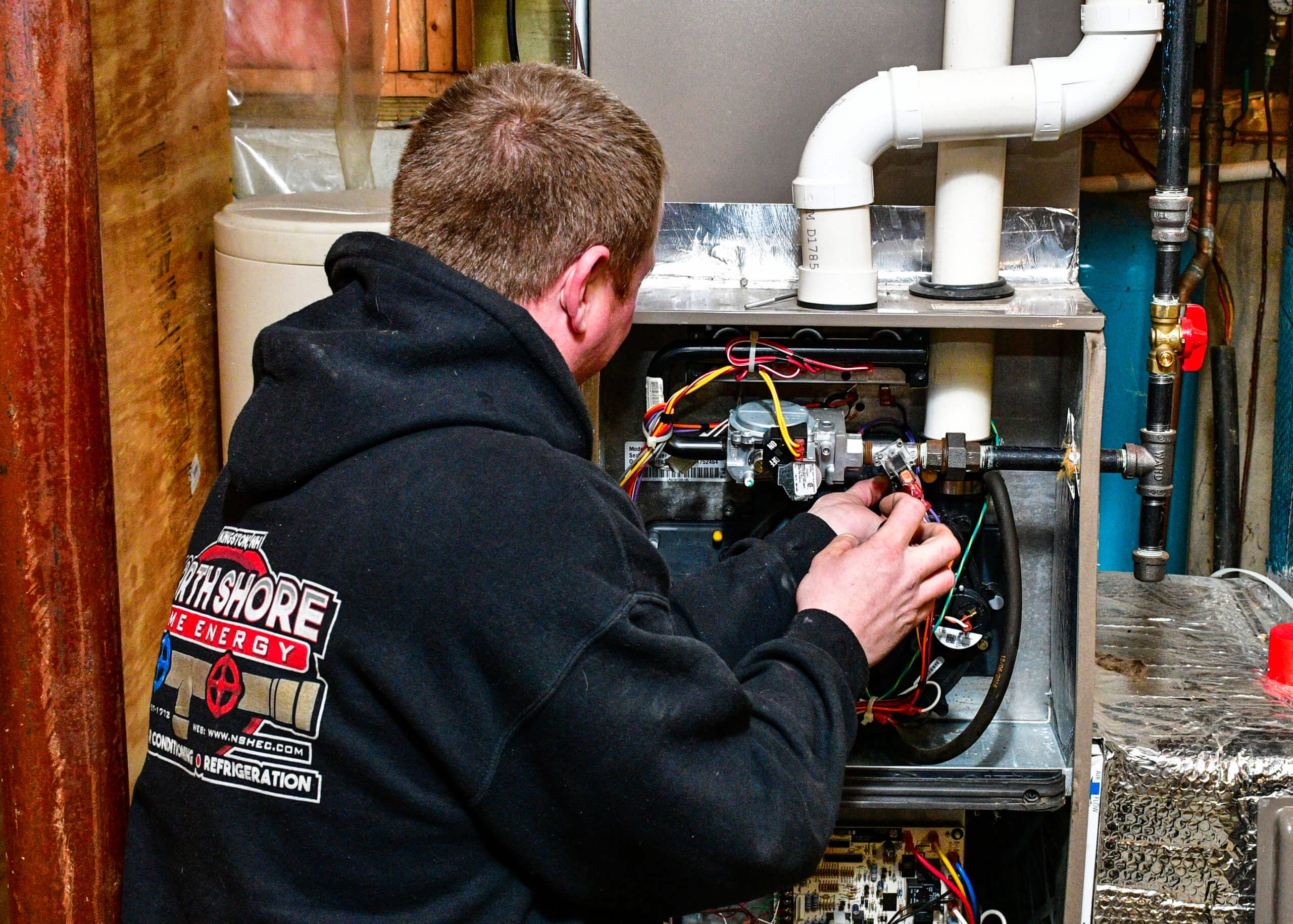
7 Essential Furnace Parts

7 Essential Furnace Parts

  • Heating
furnace

If you’re like most homeowners, you know that your furnace is responsible for heating your house.  How it does this,  however, is a mystery to the general population.  When your furnace stops working however, it’s important to have a basic understanding of how it operates in order to try simple troubleshooting and (if needed) understand what your HVAC technician needs to do in order to get it fixed.

If you don’t understand how your furnace works, regular maintenance can become a real challenge.  Poorly maintained furnaces have a tendency to accumulate more dirt and dust, making other issues much worse and accelerating the degradation of some parts.  When a technician is called, not understanding how your furnace works makes it more difficult to understand what type of work needs to be done immediately.

Educating yourself on the basic components of a furnace isn’t too difficult, and it will make it easier to maintain your unit, saving you a lot of money over the next several years.

1. Thermostat

Your thermostat is able to detect the temperature in a room and determine if that temperature is below the level you have set.  When the temperature is lower than the one you have set, the thermostat sends an electrical signal to the burner to turn on.

2. Pilot Light

On a gas furnace, this is a small flame that is always burning a small amount of excess gas.  In an electric furnace, the pilot light is lit by an electronic ignition when it’s time for the furnace to turn on.  If the pilot light becomes blocked by debris, however, the flame will die out.  When this happens, turn off the gas (or turn off an electric furnace at the breaker) and use a small brush to clean the pilot light.  In most modern furnaces, the pilot light will come back on automatically when the power or gas is restored.  If the pilot light valve is clear but the light still isn’t coming back on, have a professional check for gas leaks.  On an electric furnace, a professional can diagnose whether or not there is a problem with the ignition switch or the pilot light itself.

3. Burner

In a gas furnace, the burner is activated by the pilot light.  In an electric furnace, this is done with an electric ignition.  The burner creates heat inside a combustion chamber, which in turn creates heat in the heat exchanger.  When this component is broken, it will not heat the air.  In some cases, this may mean that the air is taking a longer amount of time than usual to heat, while in other cases the air may not heat at all.

4. Heat Exchanger

Air is pulled into the heat exchanger and heated.  Cold air is replaced by the warm air created by the burner.  This warm air is then pushed into a long tube or pipe by the blower motor.

5. Blower motor

The blower motor is a component of the furnace that is responsible for pushing the warm air through the ductwork and out of the vents.  These motors are typically sized in accordance with the size and layout of the home they need to heat.  Larger motors are used in homes where the air needs to travel long distances.  In  some cases, more than one blower motor is installed as part of a heating system in order to force air through particularly long distances. As this component starts to break down, the furnace will still produce warm air, but there is a noticeable temperature difference between vents located close to the furnace and those located farther away.  In the event of a total breakdown, there will be virtually no air coming out of vents that are far away from the furnace.

6. Furnace Belt

In order to blow the warm air through the house, the blower motor will turn a belt known as the furnace or blower belt.  much like similar belts in your car or vacuum cleaner, these belts will wear out over time.  A loud squeaking or squealing from the blower motor is usually an indication that the belt needs to be replaced.  If your motor is easily accessible, this is often just a matter of turning off the power, removing the old belt with a wrench or screwdriver, and replacing it with a new part.  If you cannot access or remove the old belt, however, call a professional.

7. Vents

After being pushed through the ducts, the warm air comes out of the vents located throughout the house. To help air flow, make sure that these vents are kept clear of dust and are not blocked by furniture or other items.

For More Information on Furnaces of All Shapes and Sizes, Call NSHEC Today!

Contact North Shore Home Energy Today!

Check Out Our Current Specials!

Read The Great Things That Your Neighbors Are Saying About NSHEC.

By nshec
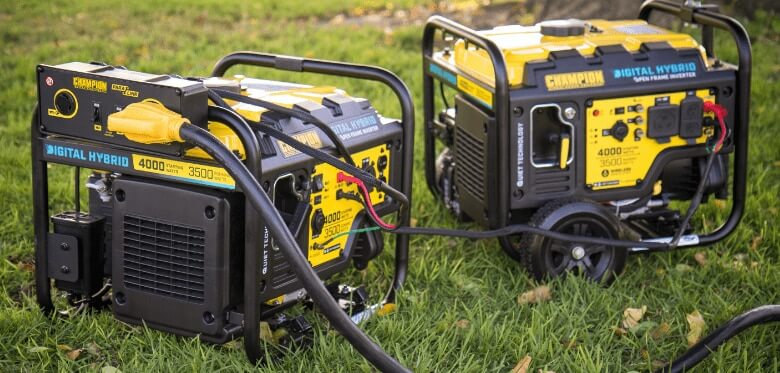
Be Ready For an Emergency – Why a Generator Can Be One of Your Best Investments

Be Ready For an Emergency – Why a Generator Can Be One of Your Best Investments

  • Generators
generator

There may be nothing more annoying and inconvenient than a power outage. Lost work time, spoiled food, loss of heat. These things are all consequences that home and business owners face when the electricity unexpectedly goes out.  There is a solution to these problems, and investing in a backup generator is that solution. Although these generator systems aren’t cheap, even if you just purchase a portable generator, they are a great investment. 

8 Benefits of Investing in a Generator 

Whether you’re a business owner or you’re just looking for a generator for your home, there are big benefits to getting a backup power system. You’ll save money, irritation and mental energy in the long run. Consider the following points as you weigh the pros and cons of a new generator.   

  1. Prevent food loss from spoiling. Individuals and families can spend hundreds of dollars a month on foods that stay in the refrigerator or freezer until they’re ready to use those ingredients. When the power goes out and stays out, it can mean that you have to throw out food before you’ve had a chance to use it. 
  2. Standby generators kick within seconds of a power outage. Your neighbors might be without power when the utility company suffers an issue, but with your standby generator, you’ll just have to wait a few seconds. The generator will start and warm up for a few seconds before it starts to power your home, but that shouldn’t take too long, often between 10 and 20 seconds  
  3. When power comes back on, the transition will be smooth. Standby generators help to smooth the transition from generator power back to utility-generated power.  These units typically run for a few minutes after the utility company gets the electricity back up and running, to ensure that the power is indeed stable enough to power your home. Once the motor has cooled a bit and the demand for power has transitioned to the utility lines, the generator shuts off.
  4. Even during an extended power disruption, you’ll be able to entertain yourselves and your family.  You’ll be able to watch TV, listen to music, have electricity to read by, and have hot water for bathing and other usage.  Assuming you have a standby generator, you won’t be dragging out a portable generator and looking for extension cords. With a standby generator, you shouldn’t even have to get up from where you are or interrupt your activities. 
  5. Commercial property and business owners will not see a disruption in their security system coverage. With a backup generator that kicks on within seconds, you’ll hear a warning beep, but the power should be up and running quickly enough that there’s no real disruption in protection for your business.
  6. Generators keep sump pumps working properly. If you have a sump pump  near your basement to keep the water out during particularly rainy and wet times, you won’t have to worry about potential flooding issues from a power loss. A generator keeps the sump pump running with minimal interruption, which could mean minimal damage from wet weather that knocks out the power grid.
  7. You can keep connections with others alive. So many people have digital devices that they use to communicate with others as well as entertain themselves. And we’re talking about more than just a phone. Computers are such a big part of everyday life now. Losing power can be very disruptive.
  8. You never know when you need backup power.  There are many reasons that the power might go out. Severe weather, trees falling onto power lines, even rodents gnawing on connections – these are all reasons that the power might unexpectedly fail, and no one can predict exactly when something like that might happen, or how long it might last, particularly in the winter months when the weather is unpleasant and cold. 

Whether you’re building a new home or looking to add a generator to your emergency kit, there are tradeoffs, like the cost of the system. For a business owner who has power tools to run at work sites or at their main site, a generator is an investment that can help employees get more done. For homeowners, the investment into a backup power system (whether a permanent standby generator or a portable unit) could pay for itself with a bad winter or unpredictable electrical grids. 

For More Information on Automatic Backup and Portable Generators, Call NSHEC Today!

Contact North Shore Home Energy Today!

Check Out Our Current Specials!

Read The Great Things That Your Neighbors Are Saying About NSHEC.

By nshec

Air Conditioners: What You Need to Know For This Cooling Season

Air Conditioners: What You Need to Know For This Cooling Season

  • Cooling
air conditioners

Air conditioners just blow cold air into your home, right? Actually, no. Cooling the air in your home is accomplished through a relatively complicated process that involves refrigerant fluid that shuttles heat back and forth between an outside compressor as it transforms from a liquid to a gas and back again. It takes quite a bit of electricity to perform this modern magic show of moving heat from a cooler place and back to a warmer place.

Types of Air Conditioning Systems

There are several different technology options involved with the process of cooling your home: central air conditioners and heat pumps, evaporative coolers, room air conditioners and ductless mini-split air conditioners. 

  • Central air conditioners and heat pumps are the most common form of systems, and unlike some of the other options they are often used to heat entire homes. They generally consist of a large compressor that is external to the home and drives the process and indoor refrigerant coils that distribute cool air throughout the home via ducts. Heat pumps work similarly, except they are also able to distribute warm air in the cooler winter months. Ducts throughout the home are utilized for distribution of both warm and cool air in concert with a fan system. 
  • Room air conditioners are mounted either on the walls, ceiling or through a window. These systems work in a similar fashion to central air conditioners, but compressors are located outside the home and the systems are generally built to control the temperature in a single room. These units are less expensive to purchase, but are potentially less efficient and have a higher daily running cost overall. 
  • Evaporative coolers, also known as swamp coolers, can be a practical alternative in certain parts of the country but are much less common than central air or room air conditioners. These unique systems operate by pulling fresh air through an evaporative system that involves moist pads and a whole-house circulation mechanism. While swamp coolers are only efficient in the drier areas of the country, they are very efficient and cost-effective to run and can reduce the temperature of your home by up to 30 degrees. The cost of purchase and installation is also lower as these systems are relatively simplistic. Evaporative coolers work most effectively in dry climates because the system works by putting moisture back into the air — something that isn’t as efficient in a wet climate. 
  • Ductless mini-split air conditioners are more popular outside the U.S., but are gaining prominence with homeowners who are updating a portion of their home or reworking an older addition that doesn’t have ductwork in place. They are similar to room air conditioners in that they are a zoned system, but the functionality is more similar to a conventional central air conditioning unit. When you’re using a ductless system, you also avoid the energy loss that is associated with a traditional system with ducts. You can also maintain overall cleaner air due to the lack of cracks and crevices in the ducts for dust, mold and other contaminants to hide.
  • New technology options include the Night Breeze, which integrates a whole-house fan, indirect water heater and air conditioner in one unit as well as Thermal Energy Storage where energy is stored overnight in ice — ideal for climates where energy costs are high during peak usage times. 

Warning Signs

Other than the obvious (it’s getting hot in here!) signs, there are multiple ways to determine that your system either needs maintenance or replacement. However, if you’re not as experienced with home maintenance and air conditioners, you may wonder if the problem is in your head or if it truly exists. Since air conditioners are used most heavily during the summer months, it’s important to get a tune-up before the heat of summer really kicks in. Qualified and licensed professionals perform a full system inspection to catch some standard problems that can occur. A check up generally includes:

  • Performance test of the full system
  • Visual review of all air conditioner components
  • Tests to determine the state of the refrigerant charge and overall system control testing
  • The use of an approved leak detector to perform a leak test
  • If slow leaks are suspected, your professional may perform a dye detection test

How can you tell that your system is not functioning as it should? Here’s a few things to look out for:

  • Air is not flowing as easily as it should be. If you’re seeing poor air flow through your vents, it’s probably time to call a professional. 
  • Zone issues — where part of your home is comfortable and another part is too hot or cool — are a good sign that there may be something wrong with your thermostat.
  • Excess moisture where it doesn’t belong can also be an indicator that it’s time to call a professional. 
  • Foul odors coming from your air conditioning unit are never a good sign. Mold can grow in wet, dark spaces and an air conditioning unit certainly fits those parameters.
  • Squeaking or squealing sounds coming from your air conditioning unit may indicate that a belt has slipped. This generally requires professional assistance to resolve.
  • Of course, if you find that your home is heating up unexpectedly, or the air conditioner is cycling (turning on and off quickly), you should have your unit checked out. 

With careful use and a solid maintenance schedule, nearly all types of air conditioning units will last upwards of 15 to 20 years. Your system should receive maintenance at least once a year in the spring, before it’s heavily used in the summer heat. This ensures that you’re catching any small problems such as leaks quickly and before they have a large impact on the functioning of your system. The cost of not performing regular maintenance could be decreased system efficiency or even having a system that freezes up or sustains serious damage from broken items such as motor bearings.

For More Information on Air Conditioners of All Shapes and Sizes, Call NSHEC Today!

Contact North Shore Home Energy Today!

Check Out Our Current Specials!

Read The Great Things That Your Neighbors Are Saying About NSHEC.

By nshec
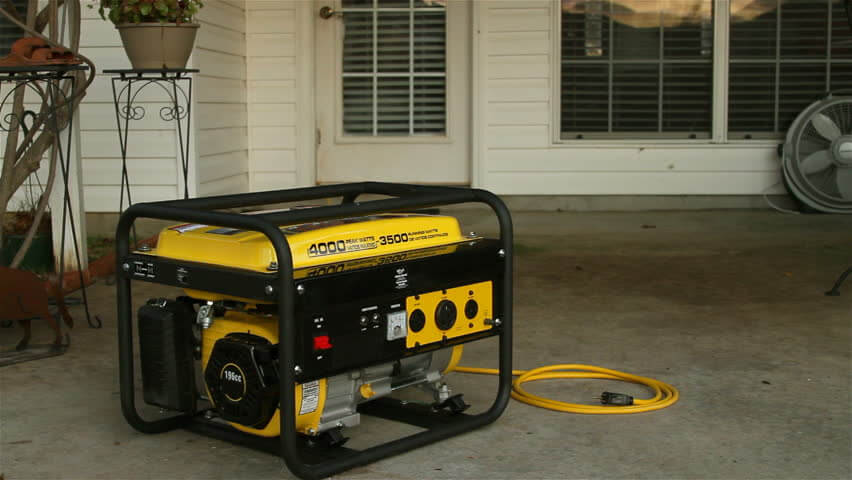
Automatic Backup Generators vs. Portable Generators: What to Choose and Why

Automatic Backup Generators vs. Portable Generators: What to Choose and Why

  • Generators
portable generators

Odds are if you’re reading this, you’ve had to deal with a portable generator before. Simply put: it’s a pain. For those reading this who have not yet decided on what generator to buy and would like me to elaborate, allow me to paint this wonderful picture for you: amid a massive blizzard or hurricane, your power goes out. In the chance that you are home when it happens, you do not have an abundance of time to react. You must head to the garage, shed, or wherever you keep your generator, wheel it out to your transfer switch or inlet box (or worse, run extension cords throughout your home), go through the process of turning your breakers off while the generator warms up and activates, then turn the breakers on one by one hoping that you do not overload the system.

Then, when the power eventually is restored to your home, you must perform all of these steps again in reverse order. In times of crisis or emergency, this whole process is the last thing any homeowner/ family member wants to worry about. What if you’re not home when the outage occurs, you may be wondering? Simply put, nothing happens. Your food in your refrigerator will spoil and any other maintenance appliances within your home will shut off. Certainly not a very enjoyable situation to find oneself in during a natural disaster or emergency.

Luckily, companies like Generac have begun to offer automatic backup generators. These generators aim to be the solution to any woes that the average homeowner has with portable generators. We’ve decided to lay out exactly what solutions choosing an automatic backup generator brings to the table.

CO2 Risk

Running portable generators inside is very similar to running an automotive vehicle indoors. Burned fuel is converted to carbon monoxide gasses which can be dangerous, and even fatal to any occupants of the home its running in. As simple as it may seem to just run it outside, that’s when you encounter problems. Will the generator be able to reach your inlet box from an outside location? Will the generator be damaged during the course of any natural disasters passing through?

Having an automatic backup generator properly installed outside of your home eliminates this risk completely. The automatic backup generator will be preinstalled outside, eliminating the hassle of dragging your generator back and forth. You’ll be certain that it is connected to your inlet box already. Generac automatic generators are also contained within a reinforced aluminum enclosure, severely decreasing the risk of damage to the backup unit.

Manual Activation

As was painted in the situation above, if you are using a portable generator you’ll need to go through the laborious process of turning it on when the power goes out and then turning it off when it is finally restored. This can be even more of a problem if you are not currently at your home to manually activate it. If you do not act quickly or return home immediately, you run the risk of losing any personals that depend on constant electric maintenance.

This entire issue is completely resolved with the use of an automatic backup generator. Whether you are in or out of the house, the generator will kick on within seconds of an outage and automatically supply power to your inlet box. When power is restored, the generator turns itself off automatically too, so no energy is wasted. The necessity to monitor the unit is completely eliminated, and the protection it provides for your house is active 24/7. 

Worrying About a Refill

If you own a portable generator, odds are it is running on gasoline. This means that eventually the generator is going to run out of gas and will require a refill in order to function properly again. During an emergency outage, this just adds to an already-extensive list of problems/worries that are present. You may be safe for the time being, but what if that gas supply runs out while you are asleep or working on another task? You are then left in the same position you were in when the power went out preliminarily, and must react and refill quickly.

Automatic Backup Generators run on the home’s natural gas or LP fuel supply, eliminating the need to worry about refilling out of the blue. It is also much less expensive than running on gas! You are then able to dedicate your time accordingly and rest assured knowing the power will stay on indefinitely.

Overloading Dangers


Using a generator, portable or automatic, means you run the risk of an electrical overload. With portable generators, this can mean serious damage to your home or inlet box if the generator is not equipped with overload protection.

Generac automatic generators come pre-equipped with overload protection, meaning in the event of an electrical overload the generator will automatically turn itself off. Then its just a matter of adjustment and resetting the breaker within the generator. This can save your home and fuse box from serious damage that portable generators may cause.

Even the experts at the American Red Cross recommend an automatic backup generator, stating it’s a much safer and more efficient alternative for your home than a portable generator.

For More Information on Automatic Backup and Portable Generators, Call NSHEC Today!

Contact North Shore Home Energy Today!

Check Out Our Current Specials!

Read The Great Things That Your Neighbors Are Saying About NSHEC.

By nshec
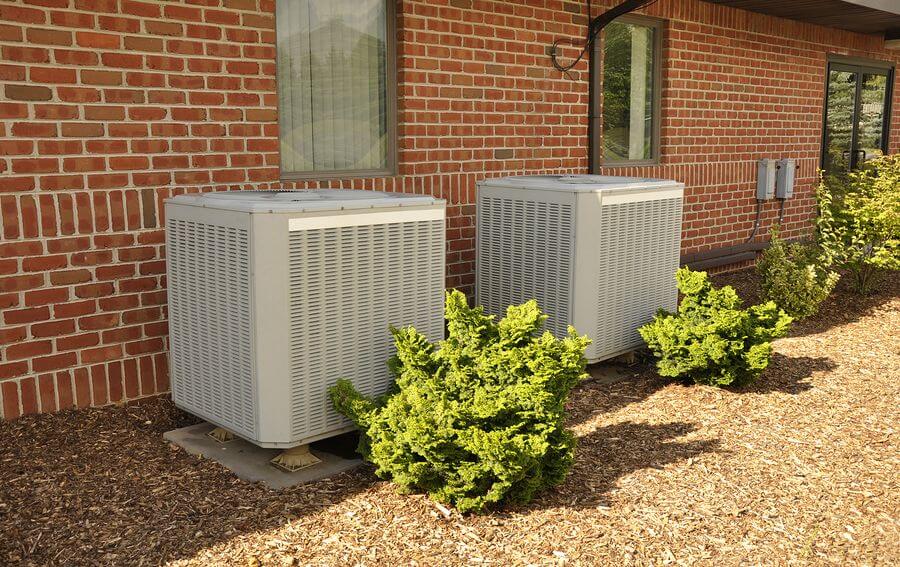
Local Ductless Mini Split Installation

Local Ductless Mini Split Installation

  • Cooling
  • Heating
Ductless Mini Split Installation

Local Ductless Mini Split Installation

If you have a radiant heating system, space heaters or hydronic heat, a ductless mini-split installation might be a good option to add heating & cooling to your home. They are also a good choice when you’re adding rooms to a home that doesn’t have a traditional ducted system, or for spaces that are very energy efficient and only need a small boost. Ductless mini-split systems are similar to standard heat pumps as they have an indoor air-handling unit as well as an outdoor compressor/condenser. The conduit links the two parts of the system together and contains the refrigerant tubing, power cables, condensate drain and suction tubing.

Advantages & Benefits

Ductless systems work well in spaces that are considered too tight for ductwork, or when you need to heat or cool a relatively small space. The specific number of units that you’ll need depends a great deal on the zone that each unit will cover — all dependent on the overall insulation rating of the building. These systems are relatively easy to install as they only require a very small hole (around 3 inches) to run the conduit. Even more convenience is gained because there can be a significant distance between the interior unit and the external condenser, up to 50 feet or more depending on the length of conduits available for your particular system. This allows you to place the unsightly exterior pieces further away from your home or apartment for aesthetic reasons. 

Additional benefits:

  • Energy loss is generally less than with a ducted system, where losses can be up to 30%
  • More flexible options for mounting ductless systems: flush-mounted on the ceiling, hung from the wall, or suspended from the ceiling
  • Are more sleek looking than traditional systems, and often come with a remote control for added convenience
  • Window-mounted units may induce intruders and are less secure than ductless systems, as mini-splits only require a small 3 inch hole in the wall
  • Potential energy savings because the units are more cost-effective and efficient to run
  • Highly customizable: can be programmed to only turn on when the building is occupied, or on a timed schedule
  • Ductless systems run cleaner than a ducted system. Air ducts are one of the primary areas for a buildup of dust, dirt, pollen and other contaminants and require frequent cleaning to maintain interior air quality 

Challenges to Going Ductless

While there are many benefits for using a mini-split system in the right space, there are some disadvantages as well. There is a fair amount of maintenance required such as a monthly washing of filters to maintain air quality and system efficiency. If you inherit an older system that hasn’t been well maintained and it requires professional cleaning, then the cost can be quite high. The installation cost of a mini-split can be higher than a traditional system, but this is balanced by an ongoing lower cost for energy due to efficiency. However, ductless systems often net homeowners a rebate because the systems are so environmentally friendly. Improperly placed systems can cause serious problems — from hot and cold spots throughout your space to inefficiency due to short-cycling. It’s important to always utilize a licensed and bonded HVAC professional when you’re considering a ductless mini-split heat pump. Finally, the outdoor condenser requires a nearby drain location, which can cause ongoing problems if space is a factor.

Successful Ductless Mini-Split Installation

As ductless mini-split systems gain in prominence, more contractors and technicians are comfortable with their installation. However, it’s still important to keep some key factors in mind to ensure that your installation goes smoothly and you continue to enjoy your space comfortably. Here’s some quick tips for successful installation:

  • Wire power supplies directly from the indoor unit to the outdoor unit, without a junction box or disconnect switch between the two
  • Control the voltage — only use the correct gauge wire for your installation 
  • Ensure that units are hung a minimum of six feet in the air for maximum efficiency
  • Limit obstacles in the area that might impede or reduce air flow
  • Check and double-check that the unit is rated for the room size
  • Insulate both the liquid and suction lines to prevent lines from ‘sweating’

Warning Signs

Even the most secure installations can run into problems, and ductless mini-splits are no different from traditional ducted systems in this regard. If you experience instances where there’s cold air coming through your heating vents, it’s time to call a professional. While the resolution may be quite simple, this can also be a harbinger of a more serious issue and should be resolved. If your system is short-cycling — or running for only a short period of time before turning off and then running again — you may be facing a problem. Short-cycling drives up your energy costs and puts a great deal of strain on the system overall, which can result in expensive problems in a very short period of time. Finally, if your energy costs are going up and there doesn’t appear to be a corresponding change in external temperatures, you might be having problems that require professional assistance.

Life Expectancy of A Ductless Mini-Split Installation

With proper cleaning and maintenance, your ductless mini-split heat pump system should last between 12 – 15 years. As long as you keep debris, vegetation, and snow away from your external unit (and keep your compressor relatively clean) you should have no problem extending the life of your unit. It’s also important to keep in mind that these systems work best between 14 degrees Fahrenheit and 109 degrees Fahrenheit. Outside that range, the unit may not be able to handle the load. 

If you have a relatively small space or want to tightly manage the temperature of your home, a ductless mini-split system is a great option for homeowners. Ensure that you have the system installed by a qualified, licensed professional and as long as you continue regular maintenance on the system you should enjoy years of worry-free convenience and comfort in your home.

For More Ductless Mini Split Installation Information Call NSHEC Today

Contact North Shore Home Energy Today!

Check Out Our Current Specials!

Read The Great Things That Your Neighbors Are Saying About NSHEC.

By nshec
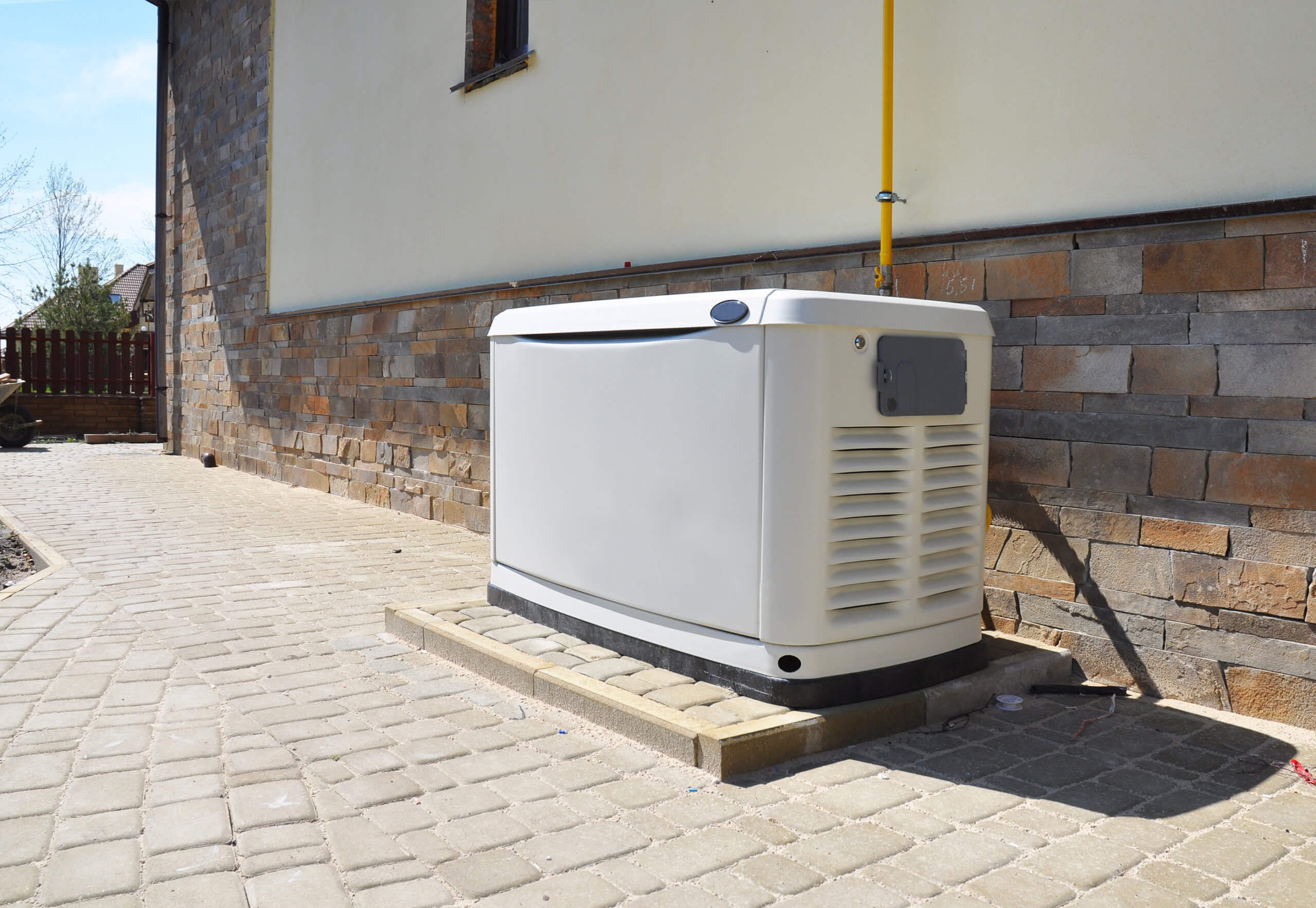
3 Different Types of North Shore Heating Options

3 Different Types of North Shore Heating Options

  • Heating
North Shore Heating

3 Different Types of North Shore Heating Options

For most American homeowners, keeping interior spaces comfortable is the single largest energy expense for their home. In fact, according to the U.S. Department of Energy, heating and cooling account for 48% of a typical home energy budget. With that much of your monthly budget at stake, it’s clear that the type of system your use for north shore heating in your homecan have a major impact on your home comfort levels as well as your overall energy costs.  If your present heating system is more than 20 years old, you are probably spending a significant amount just to keep it running – funds that could be better spent on a new, more energy-efficient system. Choosing a new heating system can really pay off in terms of both comfort and operating costs. 

Understanding Heating Systems

Can you remember the last “big” purchase you made? Maybe it was a car, your house, a surround sound system…whatever it was you probably did a lot of research comparing prices, durability, and the overall quality before you decided to take the plunge and finally purchase. As with any sizable purchase, selecting an appropriate heating system that is best-suited for your geographical location and needs requires a basic understanding of the differences between different heating systems. This includes their efficiency ratings as well as long-term operating costs. Installing the wrong system for your climate or heating requirements could end up costing more in the long run. Knowing the difference between furnaces, ductless heating, and heat pumps can help you avoid issues such as:

  • No heat
  • Reduced efficiency
  • Frequent system failures
  • Not enough space for proper installation
  • Increased repair and maintenance costs

On the other hand, choosing the best type of system is an investment that will pay for itself in benefits and bring you peace of mind due to:

  • Reduced energy costs
  • A long-lasting, durable system
  • Reliable heating
  • Increased home value
  • Reduced carbon footprint

Types of North Shore Heating Systems

Knowing the differences between gas furnaces, ductless systems and heat pumps will help you determine which system is the perfect match for your family’s needs. When shopping for a new heating system, look for a high Annual Fuel Utilization Efficiency (AFUE) rating. This rating measures how efficiently your heater utilizes its fuel. The more efficient your furnace is, the more heat it will return per unit of fuel.

Gas Furnaces

Gas furnaces are fueled by either propane or natural gas, and typically cost less to install than heat pumps. A new high efficiency furnace consumes more than 30% less fuel than less efficient, outdated furnaces. Due to rising oil and natural gas costs, it is important to select a system that helps you reduce your heating energy consumption.

Newer gas furnaces aren’t just more efficient – they are much quieter than older models, provide even heating, and maintain a more constant temperature level. According to the U.S. Department of Energy, high-efficiency gas furnaces feature a second heat exchange, sealed combustion and a 90% to 98.5% AFUE.  

Ductless systems

Ductless heating systems move air through different areas or ‘zones’ in your home. They are easy to install, but typically cost more to install than a furnace. Ductless systems, also called split-systems, multi-split systems, and split-ductless systems, offer highly flexible solutions for a range of home comfort issues. While heat pumps force heated and cooled air through ducts, a ductless system delivers air directly to a specific zone.

Ductless systems are smaller than comparable forced-air systems, meaning they operate on less power, and are more efficient, since the temperature-controlled air is delivered directly where desired. Ductless systems allow homeowners to only heat specific occupied rooms or zones within the home. Because they don’t have ducts that can attract dust and allergens ( and they offer multi-stage filtration) they can increase indoor air quality by reducing dust, pollen, bacteria and allergens in the home.

Heat Pumps

Heat pumps operate by using electricity to heat and cool indoor spaces. They are the best option for temperate climates, though they typically cost more to install that furnaces. Electric heat pumps are one of the most efficient heating systems available. They operate as a furnace during chilly weather, absorbing warmth from the ground or atmosphere, multiplying it, and delivering it to the home. Conversely, they work as an air conditioner during the hotter months, transferring heat from the home. Heat pumps can be operated on gas or electricity.

Heat pumps don’t generate dry heat, so there’s no need to use a humidifier during operation. Heat pump systems are less expensive to use than systems fueled by natural gas, and don’t experience the fluctuations in temperature commonly seen in other types of systems. While the initial installation may cost more than other systems, and they require more maintenance, they are more environmentally friendly.

If you are considering purchasing a new heating system or replacing an existing one, scheduling an energy audit can help you make the right decision. An energy audit measures a variety of factors, including heat loss through doors and windows, the integrity of existing ductwork, the overall efficiency of your present heating system, and insulation levels. Also take into account any federal or state tax credits or utility rebates offered by Energy Star partners for installing a new, energy efficient heating system. 

Possible Results From Not Maintaining Your Heating System

As the weather turns colder, you’ll become best friends with your heating system faster than a child running to the ice cream truck. You’ll come to rely on your home being heated quickly and efficiently. Properly maintaining it now can ensure that you have heat all fall and winter and make it less likely that you’ll need to have your heating system repaired. An improperly maintained heating system results in a decrease in its energy efficiency, which means you’ll see an increase in your utility bills. In addition, you’ll have an increased chance of fire as well as a higher likelihood of exposure to carbon dioxide.

Benefits of Calling for Home Heating System Service Now

Calling a local company with experience in providing heating system inspections, tune-ups and repairs provides you with an extensive array of benefits. These begin when you make that call to schedule an appointment and last for long after the heating season is over. You’ll have peace of mind that you, your family and your belongings are protected. You will also increase the lifespan of your heating system and improve the safety and value of your home. Not only will you see a reduction in the cost of your utilities while still remaining cozy and comfortable, you will also leave behind less of a carbon footprint. 

A company that specializes in heating systems is the best source of information and service for your home. Contacting them now to schedule an appointment means that you can be proactive about the entire process. Schedule an appointment for them to come to your home and thoroughly inspect your heating system. Replacing worn or old parts now — before you need your heating system on a regular basis — helps reduce the likelihood that you will have issues with your heating system later in the season. Making that call now also means that you won’t find yourself in crisis mode due to lack of  heat or another repair issue. You can schedule a visit at your convenience around your work schedule and other activities. Just keep in mind, it is more likely that the heating company will be able to offer you a choice of days and times for the appointment now — before their busy season begins. 

Homeowner Tips for Your North Shore Heating System

There are simple and effective tips that homeowners can take advantage of to improve their heating system. 

  1. Test your smoke and carbon monoxide detectors on a monthly basis by following the testing method for each device. Put a reminder in your phone and have it repeat each month so you don’t forget. 
  2. change and replace your air filters on a regular basis to improve the efficiency of your heating system
  3. keep all your belongings at least three feet away from your heating system to reduce the chances of them catching on fire
  4. always turn off any portable heaters when you leave the room or go to bed for the night to prevent them from accidentally overheating or falling over and causing a fire
  5. install a metal or glass fire screen in front of your fireplace to reduce the chances of a stray spark catching your floor or the surrounding area on fire

While the above tips are ones that most homeowners can do themselves, the following tips are often best left to the professionals to perform:

  1. get your chimney inspected and cleaned on a yearly basis by a professional who is experienced, licensed and bonded to do so
  2. have your ventilation system cleaned to reduce the dust and allergens your heating system is putting into your living spaces
  3. call a reliable heating company to thoroughly inspect your heating system
  4. have the heating company test the gas connections that are used for any appliance that heats your home to ensure that they are in good repair
  5. call an electrician to test all electrical connections on a regular basis to reduce the likelihood of an electrical fire

Getting your heating system in good working order now can save you stress in the long run. 

What to Consider When purchasing a North Shore Heating System

You’re in the market for a new high-efficiency heating system. There’s pros and cons to most heating systems, and it will pay in the long run to choose a new system carefully. Before investing too much on the wrong system, it’s a good idea to consider the following question: What are the benefits of purchasing a higher quality system? You’ll get substantial money savings on both energy bills and repairs, and you’ll reduce your carbon footprint – every little bit helps to slow down climate change. You’ll appreciate quieter operation and better protection against the cold weather. A higher quality heating system will protect the finishes in your home. When air is too cold, too warm, too dry, or too humid, it affects wallpaper, wood, paint, and drywall, causing deterioration that reduces the value of your home. High efficiency heating systems can save you 30% or even more on monthly bills, which can add up to thousands during a 10 to 20 year timeframe, so buying a heating system that works efficiently AND effectively is the best way to go. Finally, you’ll benefit from more comprehensive and longer lasting warranties.

What are the cons of hastily purchasing a heating system that turns out to be wrong for your house? 

First, missed rebate opportunities. Better units frequently are eligible for rebates from the State or the manufacturer. Some States may even offer up to $1500 in rebates! Second, don’t ignore SEER. If your unit has a lower SEER (seasonal energy efficiency ratio) rating, you’ll spend more money each month heating your home. You should purchase at the very minimum a heating unit with a 13 SEER rating. Third, going for the lowest price is frequently a recipe for disaster! You might pay about $800 more for a better quality heating system, but that system can also save you about $300 a year in energy costs. Finally, by buying a lower quality unit, you’ll be exposing your family to a higher risk of carbon monoxide poisoning, you’re certain to have increased spending on maintenance and repair, you’ll have a greater risk of having to replace the system earlier, and in the end, your heating requirements won’t be met.

What else should you consider before purchasing a north shore heating system?

First, what are your heating needs? If you live in a warmer environment buying a heat pump might be your best bet. Heat pumps are safe and quiet, and don’t burn fossil fuels, and that means that your pump won’t be producing any carbon monoxide or greenhouse gases inside your home. The newer heat pumps have a heating efficiency of almost 400%, and you can choose from an air-source heat pump, a ground-source, or geothermal heat pump. If you’re in the market for a furnace, you can choose between 3 options – oil furnaces, gas furnaces, or electric furnaces. An oil furnace uses oil delivered in bulk, and is stored in large tanks either inside or outside your home. These tanks must be monitored to make sure they don’t become depleted. Gas furnaces burn propane or natural gas to create heat. Natural gas is relatively economical, and is supplied by a local company via a utility hook-up that’s installed in your home. Electric furnaces utilizes heating coils powered by electricity, but are much more expensive than gas in most parts of the country.

Second, what size heating system do you need? It’s most important not to oversize, which raises the cost of initial installation, and provides inefficient operation. You’ll need to know the level of insulation in your home, the types, sizes, and location of your windows, what is the local climate, and how many people live in the house. DON’T buy a new heating system based on reading the nameplate alone! 

Third, what north shore heating system is best for your home? Carrier is rated first on most lists for a reason. They’re made of only the finest quality materials, and are built with stricter quality control than the majority of other manufacturers. It will cost more initially, but it will last longer. Our second choice is Goodman. All of their products have reliable warranty programs, they’re built solidly out of the best materials, and they’re more affordable. Our third choice is Lennox. Their company offers some heaters that have 98% efficiency levels. They also sell systems that use both gas and a heat pump. These systems cost more upfront, but they’ll pay for themselves over time in quality and efficiency. Finally you’ll need to consider getting a comprehensive maintenance schedule, and location in terms of where exactly to install the system so that you’ll reap the most benefits.

After considering all the options listed above, do yourself, your family, and the environment a favor by purchasing a higher quality heating system for your home!

Contact North Shore Home Energy Today!

Check Out Our Current Specials!

Read The Great Things That Your Neighbors Are Saying About NSHEC.

By nshec
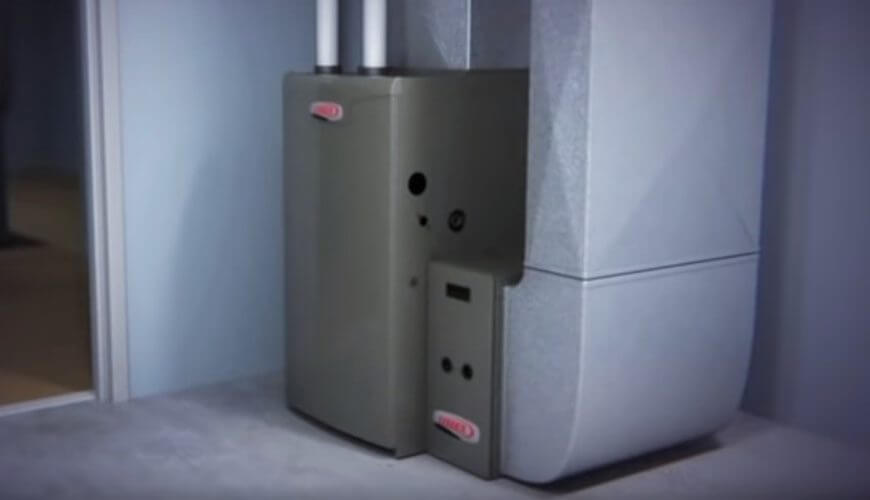
You May Call for the Wrong Service: Do You Need Furnace Repair or Replacement?

You May Call for the Wrong Service: Do You Need Furnace Repair or Replacement?

  • Heating
Furnace Repair Or Replacement

You May Call for the Wrong Service: Do You Need Furnace Repair or Replacement?

When a furnace has begun struggling or shut down completely, most everyone would prefer to choose the simplest and least expensive option, and that depends on whether it is a furnace repair or replacement. A quick fix may not be that perfect solution, however. Heating professionals should never simply recommend a furnace replacement just to sell more equipment. To the homeowner, the question is a matter of weighing short-term costs, the life expectancy of the equipment, and the quality of heating and energy efficiency that you expect.

Before assuming that either furnace repair or replacement is right for you, let’s examine the issues at play and how to weigh your options.

When Repairing the Furnace Isn’t Enough

Between furnace repair or replacement, the wrong choice can hurt you in the long run. In some cases, you could notice setbacks just days later. The technician can probably get your broken furnace to turn on again by replacing some small parts. But what if the furnace is now running very inefficiently? You’re now paying spiked utility bills. 

Furnaces that need to be replaced will also perform poorly. This causes hot and cold spots around the house, poor indoor air quality, and odd noises or odors. An inadequately repaired furnace might even present a heightened risk of house fire or carbon monoxide exposure.

It’s also best to avoid jumping to the conclusion that replacement is the best option. While a new furnace will almost assuredly be more energy efficient, don’t expect the furnace to pay for itself anytime soon unless you are replacing older equipment.

The Benefits of Accurate Troubleshooting

By making all necessary repairs or determining that a full furnace replacement is the best option, you’ll be sure to enjoy better heating:

  • Maximum energy efficiency to save you money on fuel
  • Reliable heating for the rest of the fall and winter
  • Avoiding the extra costs of repeated repairs or unnecessary replacement
  • Better indoor air quality
  • Safety and peace of mind

When one thing goes wrong with your furnace, other problems may pop up. In older equipment, wear and tear can cause multiple parts to break down around the same time. If the furnace has been running with a worn out part, other parts may have been overtaxed and are now damaged, too. 

All of this makes it important to get advanced diagnostics. By finding the root issues and examining all of the many parts, the heating technician can add up everything that needs to be repaired or replaced. This way you avoid spending a small fortune on a new furnace you don’t need, and you won’t have another breakdown just a week later.

How to Decide Between Furnace Replacement or Repairs

After a heating expert has diagnosed the problem, the homeowner can look at a few options before deciding. You can anticipate what to expect based on the conditions described below.

Repairs will typically solve your heating trouble in these circumstances:

  • The system is less than 10 years old. Life expectancy for a furnace typically ranges from 12 to 25 years. The younger the furnace, the less likely a major breakdown has occurred and the more likely a repair will be most cost-effective.
  • There are no recent changes to system efficiency. Struggling furnaces are more likely to have massive systemwide problems calling for replacement. If the furnace has simply stopped turning on, you probably just have a broken part or connection.
  • You have clogged air filters. Cleaning the filters should get things working smoothly again. If the filters get clogged faster than they should, other changes may be needed but the furnace itself is not likely the culprit.
  • You are experiencing thermostat problems. Electrical problems and broken thermostats can make it seem like your furnace is broken. The thermostat may just need tightened connections or recalibration, or you might upgrade to a modern smart thermostat.
  • Ductwork needs professional cleaning. Are rooms getting heated unevenly? Does the vent let out dusty or lukewarm air? Furnace efficiency depends on clean ductwork.

Telltale signs that you should replace your furnace include:

  • The furnace is older than 15 years. Take the current problems as a sign. Old furnaces cost you with inefficiency and will likely need more repairs soon. Replacement may actually be your cheapest option when all is said and done.
  • You notice higher costs on energy bills. Compare your bills to the same months from previous years to see how much the costs have been spiking. At some point in a furnace’s life cycle, cleaning and tune-ups cannot restore the equipment’s maximum efficiency. Older furnaces can continue to work while gradually losing efficiency. The problem only gets worse until eventually the furnace fails completely. 
  • Your system is emitting carbon monoxide. Furnaces produce carbon monoxide as they burn fuel, but the lethal fumes are supposed to be safely escorted away through the flue. If the airways get clogged or the heat exchanger cracks, the carbon monoxide gas can leak out. The amount may be small at first, but no amount is safe. Replace it before this turns into a life-threatening problem.
  • Your furnace is improperly sized. Undersized furnaces have much shorter lifespans because they get overworked. Either the home will always be insufficiently heated or your energy bills will be much higher than they should be. Oversized furnaces can be problematic, too. They achieve the desired temperature very quickly, then cycle off. All that on-and-off cycling wears down the parts rapidly. 
  • Breakdowns and repairs have become frequent. Each repair may seem minor, but something is wrong if your furnace can’t make it through the rest of heating season without another repair.

Figuring out the best solution for a furnace problem requires some troubleshooting and advice by an HVAC professional. Before you invest in a new furnace or try to get by this winter with small repairs, make sure to have your heating equipment looked at by a friendly expert that you can trust.

For Furnace Repair Or Replacement Call The Experts At North Shore Home Energy

North Shore Home Energy LLC is a local and dedicated HVAC, Refrigeration, & Generator company in the North Shore providing excellent service to homes, businesses, and restaurants. We are a proud participating contractor with the Mass Save program. Our professionals are trained, certified and use only top-notch equipment and industry leading technology to ensure that our customers are satisfied.  With over 25 years in the industry, North Shore Home Energy is here to educate our customers on maintenance and strive for 100% customer satisfaction. Our attention to detail, on-demand service, and fair pricing will keep your heating and cooling running smoothly year after year.

Contact North Shore Home Energy Today!

Check Out Our Current Specials!

Read The Great Things That Your Neighbors Are Saying About NSHEC.

By nshec

5 Reasons to Choose a Home Backup Generator Over a Home Battery Backup 

5 Reasons to Choose a Home Backup Generator Over a Home Battery Backup 

  • Generators
backup power

5 Reasons to Choose a Home Backup Generator Over a Home Battery Backup 

Finding the right backup power source for you home can be a tough investigation. With so many different options in a very abundant market, the everyday consumer can become easily overwhelmed. Any time your home loses power, you’re going to want a power source that can keep the appliances in your house operational, from the refrigerator to the microwave to the washing machine. In this case, we can confidently state that investing in a home backup generator is ultimately the right decision to make over a home battery backup. When nature rears its ugly head and takes you off the grid, you want to make sure you’re able to keep you food preserved, your heat, ac, and water running, and your family safe.

Here are 5 reasons why a home backup generator is the right choice to make over a home battery backup: 

1. More Support

Both home backup generators and home battery backups supply electricity to your home when you are taken off the grid, but home backup generators can support many more appliances in your home than a battery backup. Whereas generators steadily output a continuous max amount of power, home batteries can only supply a fraction of the total amount of energy they are currently holding. Batteries do this to protect how long the battery can last. This means only supporting a fraction of the appliances that a home backup generator can support when the power goes out.

To elaborate, each of your appliances requires a certain amount of wattage to operate. A backup generator with 15 kWh of energy will be able to consistently output those 15 kWh’s to your home as long as its hooked up. On the contrary, a battery with the same amount of energy that generator will only be able to output about 20% of that energy, so around 3 kWh. Therefore, on a backup battery, you will have to be a lot pickier on what you decide to power and leave off. Assuming you want to keep your refrigerator running, your options become very limited.

2. Cost Effective

Comparing the costs of generators vs. batteries requires the consumer to consider long term investment. At the preliminary purchasing period, both options seem very similar in pricing. It’s only after you factor installation, consultation, and power inversion that a backup generator becomes the obvious choice.

Whereas you will only need to pay for the installation and the generator itself, getting a backup battery entails buying the battery, the installation, another installation of a power inverter (normally tacking on an extra $2,000), and then any replacements you will have to make in a few years or sooner depending on use. Not to mention, going back to the first point, if you’re trying to get the same amount of output out of your batteries as a generator, you’ll end up paying much more due to the limited kWh output of your regular battery.  

3. Accessibility

Buying a backup battery is a much easier and readily available option to attain for your home than a home battery backup system. The home battery backup market is not yet developed enough to contain any full-scale distributors that have the products ready to go. Finding one is almost equally as difficult as getting it installed in your house. Especially in an emergency, buying a backup battery system is impractical at best.

Meanwhile, home backup generators can be found across the US at local appliance and hardware stores. For instance, a Generac home backup generator is supported by more than 5,200 certified dealers and there is no scarcity of trained installers ready to get one set up in your house at a moment’s notice. They even offer a support network line and a way on their website to find your local dealer. 

4. Longevity

To compare the length of time a backup battery will function next to a backup generator is a true “David and Goliath” situation. Simply put, with proper preparation a generator can last if you need it to with proper fueling. It’s not even a matter of how long, but how many resources you have. On the contrary, a backup battery, assuming a full charge, is estimated to run for 3-5 hours. This sort of duration in the event of an emergency power outage is unacceptable, and will not ensure your safety. Most power outages resulting from hurricanes and other natural occurrences take much longer than 3-5 hours to be fixed, which leaves you in the dark once that time is up. Not to mention the fact that with your home backup battery, you’re only limited to two or three appliances to power, tops. As far as longevity is concerned, there is no real competitive comparison between the two options.

5. Creation vs. Storage

When all’s said and done, the difference boils down to how energy can be continuously created with a backup home generator, whereas a home battery backup system can only tap into stored energy. When that pool of stored energy is depleted, you will be left with not very many options besides some blankets and candles. Meanwhile, if you have a fuel source for your generator, you will have power indefinitely. Generators produce power while batteries distribute it. 

Get A Free Generator Installation Estimate Today

North Shore Home Energy LLC is a local and dedicated HVAC, Refrigeration, & Generator company in the North Shore providing excellent service to homes, businesses, and restaurants. We are a proud participating contractor with the Mass Save program. Our professionals are trained, certified and use only top-notch equipment and industry leading technology to ensure that our customers are satisfied.  With over 25 years in the industry, North Shore Home Energy is here to educate our customers on maintenance and strive for 100% customer satisfaction. Our attention to detail, on-demand service, and fair pricing will keep your heating and cooling running smoothly year after year.

Contact North Shore Home Energy Today!

Check Out Our Current Specials!

Read The Great Things That Your Neighbors Are Saying About NSHEC.

By nshec

Furnace Replacement In Newburyport

Furnace Replacement In Newburyport

  • Heating

Furnace Replacement In Newburyport

Do you need a Furnace Replacement In Newburyport? North Shore Home Energy was recently hired to fix an HVAC issue with a local Newburyport home just like yours. This customer had a single stage HVAC system in their newly constructed home that was freezing in the summer and overheating in the winter. This would cause the homeowner to have to shut off the air conditioner in the middle of a heatwave because because of a freeze up and wait for it to thaw. In the winter when the weather was cold the furnace would cause a large imbalance of heat between the different rooms in the home even through they are in the same zone. Luckily North Shore home energy was there to help.

These problems where diagnosed as a result of the home itself needing two state equipment instead of single stage. Single stage equipment is cheaper but it runs at runs at 100% capacity all the time. Two stage systems run at 70-90% capacity most of the time and only runs at 100% when necessary. This home’s equipment was overworked and the zone needed to be upgraded to a two stage system to work in a way that kept the rooms at a comfortable temperature all year round.

Newburyport Carrier Furnace Dealer

Once the problem was identified, North Shore moved forward with installing a new Carrier 4-Way 80% 2-STAGE Gas Furnace. Carrier’s ComfortHeat® technology furnaces can provide reduced drafts, reduced sound levels, longer cycles, less temperature swings between cycles, and less temperature differences between rooms. Its exclusive, intelligent microprocessor control adapts to the heating needs of the home by automatically adjusting high and low heat times to maximize comfort. With this new system installed, the customer can enjoy a much more even temperature across all rooms in the furnace’s zone.

Newburyport Furnace Installation

When North Shore Home Energy first got to the customer’s home they spared no time getting the old single stage unit out of the home to start the new furnace replacement. Once the onld unit was expertly removed, they carefully brought the new Carrier unit into the home.

Once the new unit was in the home, they began to fit the home’s existing duct system to the unit and sealed off the connections to provide a strong airflow throughout the zone.

With the new system in place and the ducts connected snuggly, the team wired in the electricity and the controls to the unit taking care to make sure everything was connected properly. After a first run test was performed and the unit was confirmed to be working properly, the cover was put on the unit. The team cleaned up any mess that was made in the home and made sure the customer was happy and had no further questions before leaving the home.

Newburyport Heating Contractor Replaces Furnace

(Watch the video now)

Get A Free Furnace Replacement Estimate In Newburyport Today

North Shore Home Energy LLC is a local and dedicated HVAC & Refrigeration service company in the North Shore providing excellent service to homes, businesses, and restaurants. We are a proud participating contractor with the Mass Save program. Our professionals are trained, certified and use only top-notch equipment and industry leading technology to ensure that our customers are satisfied.  With over 25 years in the industry, North Shore Home Energy is here to educate our customers on maintenance and strive for 100% customer satisfaction. Our attention to detail, on-demand service, and fair pricing will keep your heating and cooling running smoothly year after year.

Contact North Shore Home Energy Today!

Check Out Our Current Specials!

Read The Great Things That Your Neighbors Are Saying About NSHEC.

By nshec