Zoned Heating With Mini-Splits

Zoned Heating With Mini-Splits

  • Heating
Learn how mini splits are efficient for zoned heating options for your home. Contact North Shore Home Energy for installation options!

In today’s fast-paced world, efficient heating is essential for comfort and savings. When it comes to zoned heating, mini-splits have become the go-to choice for homeowners seeking an energy-efficient and flexible solution. In this blog, we will explore the importance of efficient heating, introduce mini-splits, delve into how they work, and compare mini-splits to traditional furnaces. We’ll also touch on installation and maintenance advantages. To learn more about mini-split installations, contact us at North Shore Home Energy today! 

The Importance of Efficient Heating

Efficient heating is not just about staying warm during the cold months; it’s also about saving money and reducing your carbon footprint. Traditional HVAC systems can be inefficient and costly to run. They often heat or cool the entire house, even when you only need comfort in specific areas. This is where zoned heating comes into play, and mini-splits are the ideal choice.

Introducing Mini-Splits

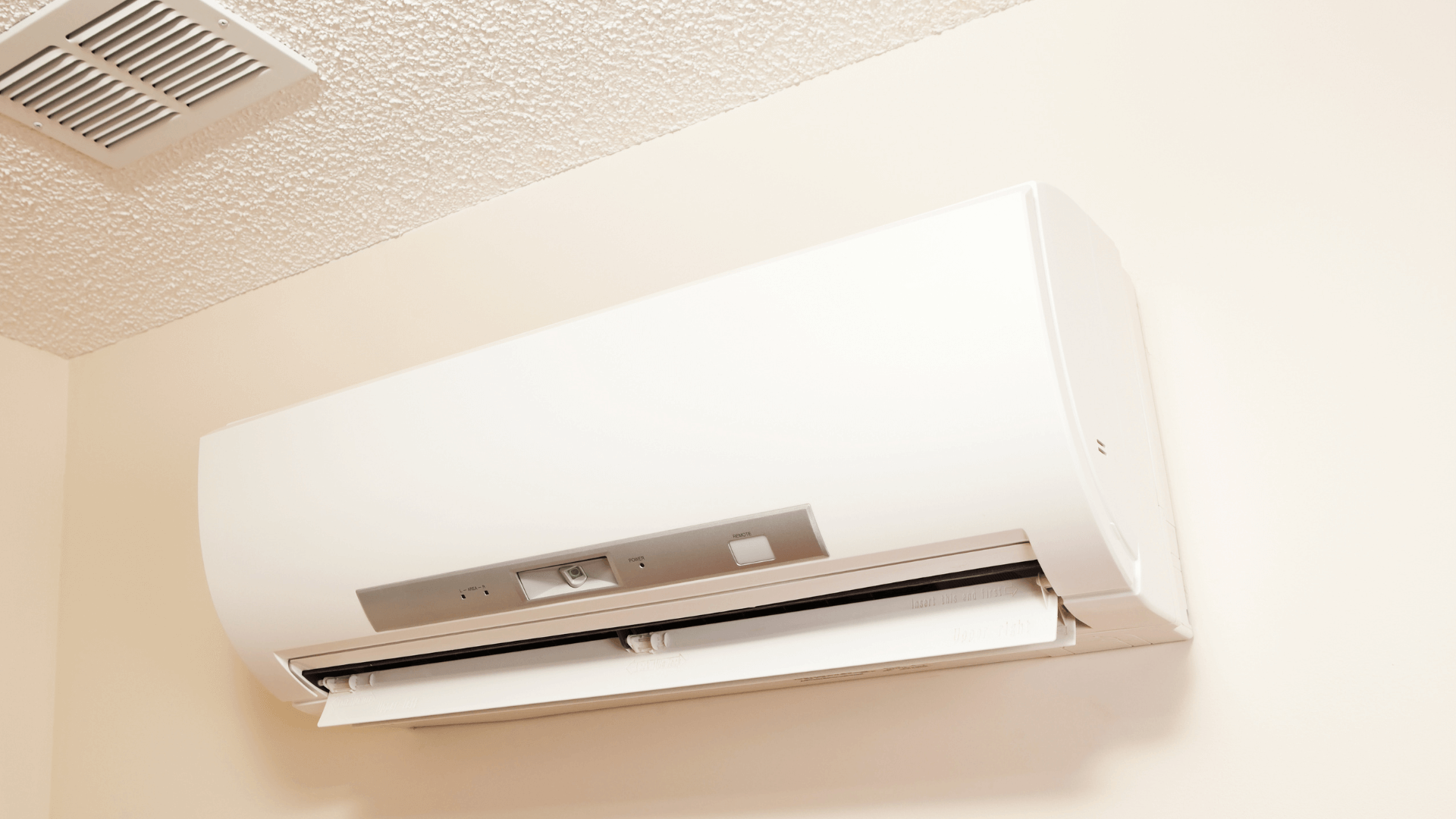
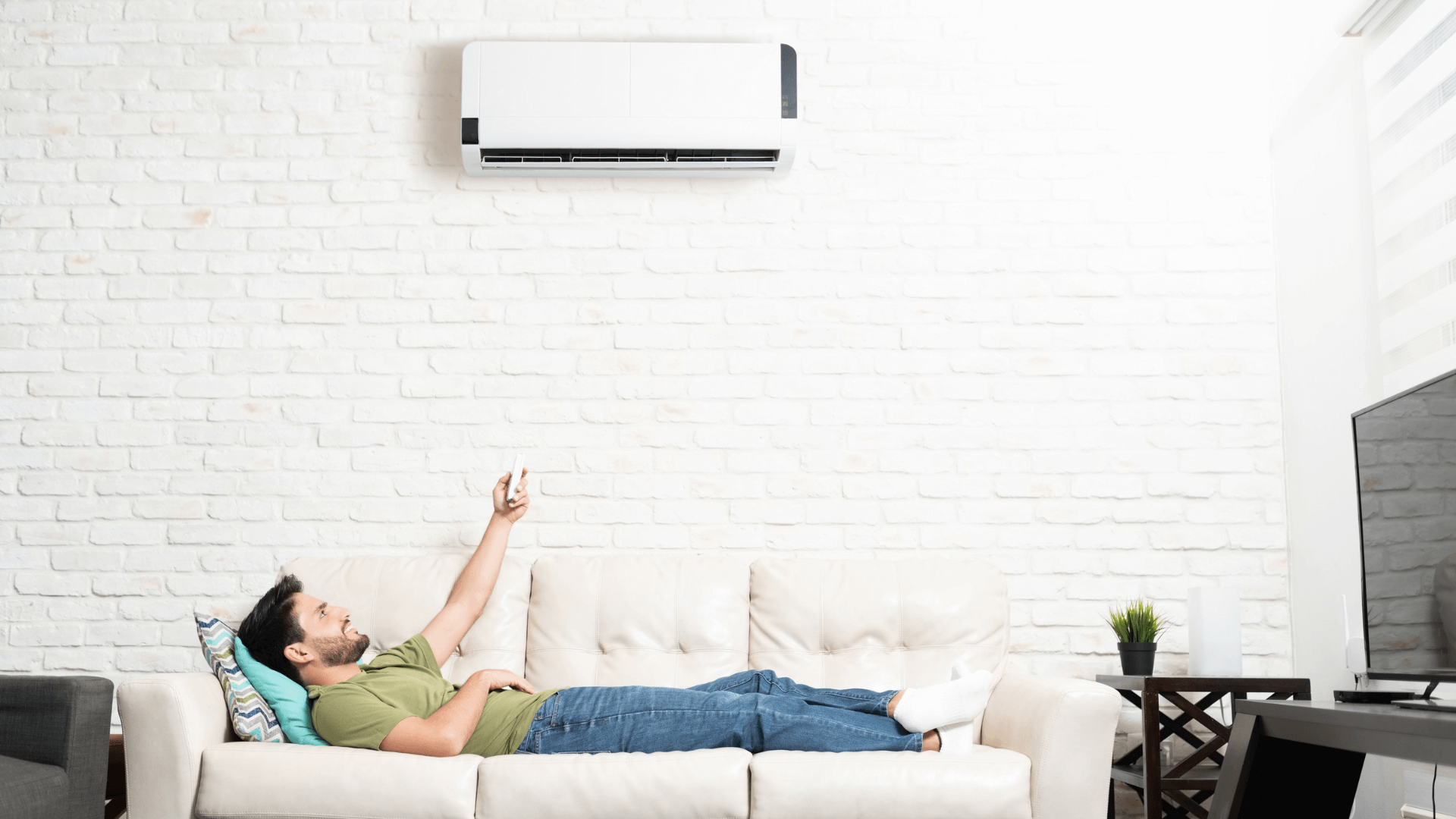
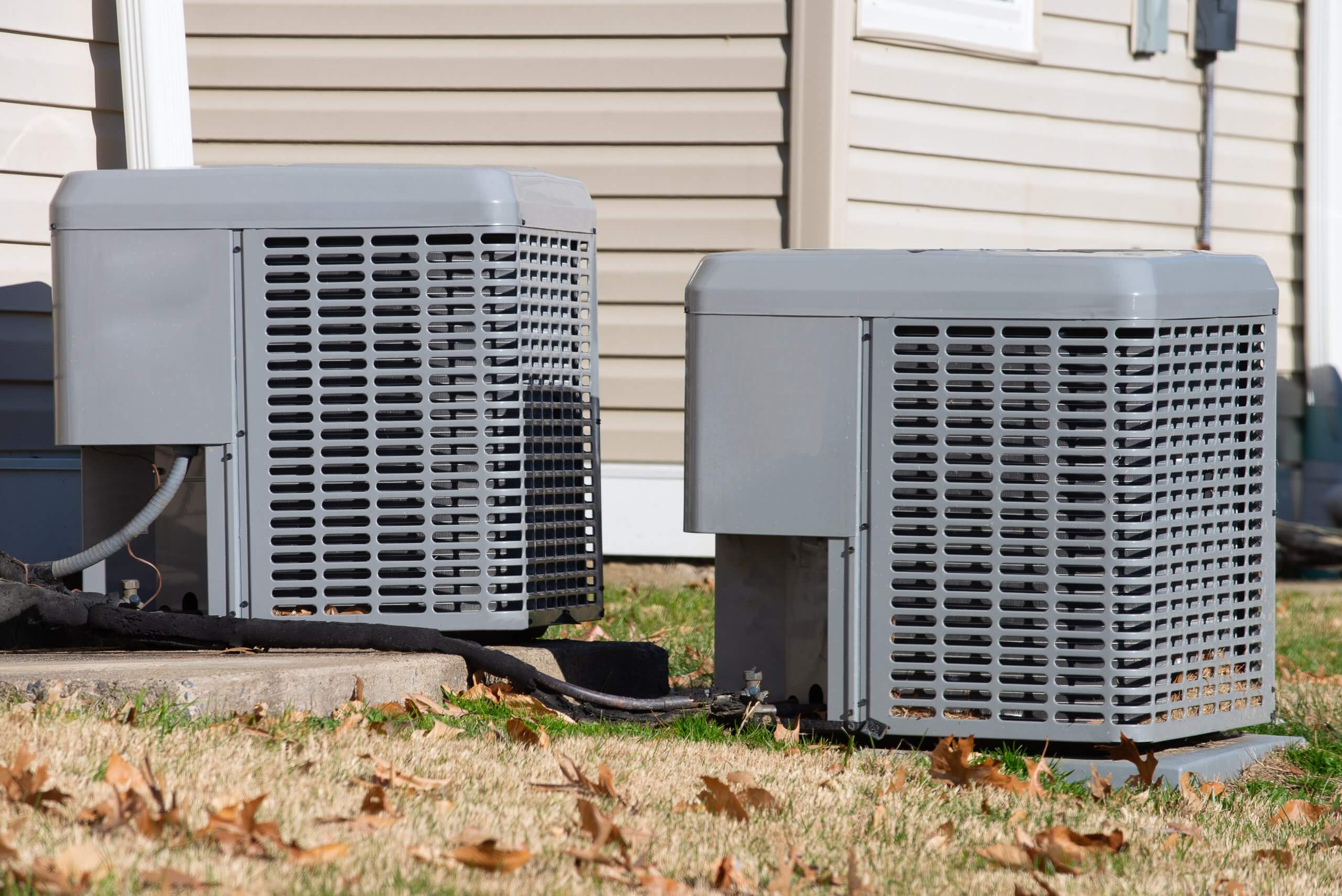
Mini-splits are highly efficient heating and cooling systems that offer zoned temperature control. They consist of two main components: an indoor unit and an outdoor unit. The indoor unit can be mounted on a wall or ceiling and is connected to the outdoor unit via refrigerant lines. These systems are known for their quiet operation and energy-saving capabilities.

How Does a Mini-Split Work?

Mini-splits work by using a process known as heat transfer. They extract heat from the outdoor air (yes, even in cold weather) and transfer it inside to warm your living space. This heat transfer process makes them perfect for zoned heating. Here’s how it works:

  1. The indoor unit blows warm air into the room where it’s installed.
  2. The outdoor unit extracts heat from the outside air and sends it to the indoor unit through refrigerant lines.
  3. The indoor unit’s fan circulates the warm air, effectively heating the room.
  4. You can control the temperature of each indoor unit separately, allowing for zoned heating and cooling throughout your home.

Heating Efficiency

Mini-splits offer several advantages for zoned heating:

  • Energy Efficiency: They use less energy compared to traditional furnaces, reducing your utility bills.
  • Precise Temperature Control: You can customize the temperature in each room, maximizing comfort.
  • Ductless Design: Mini-splits eliminate the need for ductwork, reducing heat loss and improving efficiency.
  • Year-round Comfort: Mini-splits provide both heating and cooling, making them versatile for all seasons.
  • Quiet Operation: These systems operate quietly, ensuring minimal disruption.

Mini-Split vs Furnace

Another popular heating option is a furnace. Furnaces work by burning a fuel source, such as natural gas or oil, to produce heat. This heat is then distributed throughout a building via ductwork or pipes, raising the indoor temperature and providing warmth. When comparing mini-splits to traditional furnaces, several key differences emerge:

  • Mini-splits are ductless, reducing energy loss through ductwork.
  • Furnaces distribute air throughout the entire house, making zoned heating less effective.
  • Mini-splits are highly efficient, with a SEER (Seasonal Energy Efficiency Ratio) rating of up to 30, while furnaces typically have lower ratings.
  • Furnaces require regular maintenance and filter changes, while mini-splits have lower maintenance needs.

Installation and Maintenance Advantages

Installing mini-splits is typically easier and more flexible than installing a furnace. You can have multiple indoor units connected to a single outdoor unit, providing zoned heating to various areas of your home. Additionally, mini-splits require minimal maintenance, with simple tasks like cleaning the filters and checking refrigerant levels. Although mini-splits are lower maintenance, opting for professional installation from North Shore Home Energy is crucial to ensure proper and efficient installation. Our technicians are highly experienced and trained in mini-split installation and maintenance. Contact us today, we can deliver mini-split solutions right to your door.

Zoned Heating with Mini-Splits

In summary, mini-splits are a fantastic choice for zoned heating with their high efficiency, precise temperature control, and ductless design. When compared to traditional furnaces, mini-splits come out on top, offering energy savings, quiet operation, and lower maintenance requirements. If you’re looking to maximize comfort and minimize heating costs, consider installing a mini-split system in your home. Experience the benefits of zoned heating and enjoy a cozy, energy-efficient living space all year round. Contact us today if you’re interested in a mini-split installation.

Check out our Google Reviews!
By brenna@admachines.com

Why Is My Heat Pump Blowing Cold Air?

Why Is My Heat Pump Blowing Cold Air?

  • Heating
Troubleshooting and solutions for Heat Pump Blowing Cold Air. Stay warm and cozy with expert tips from North Shore Home Energy!

As the popularity of heat pumps continues to rise, especially during cold weather seasons, more homeowners are turning to these efficient heating and cooling systems to keep their homes comfortable year-round. However, one common issue that can leave you feeling chilly on a winter day is when your heat pump starts blowing cold air instead of the warm, cozy air you expect. In this blog, we’ll explore the reasons behind this issue, how heat pump systems work, troubleshooting steps, and preventive maintenance to ensure your heat pump’s heating efficiency. If you’re facing this problem, contact us today for expert heat pump services!

Understanding How a Heat Pump Works

Before diving into the reasons for a heat pump blowing cold air, it’s essential to understand the basic principles behind how these systems operate. Heat pumps work by transferring heat from one place to another, rather than generating it through combustion or electric resistance. In colder seasons, they extract heat from the outdoor air and transfer it inside, providing warmth. So, when your heat pump isn’t producing warm air, it indicates that something isn’t quite right with this heat transfer process.

Common Reasons for a Heat Pump Blowing Cold Air

There are a wide variety of reasons why a heat pump is blowing cold air. Here are a few common reasons why this may happen: 

  • Thermostat Settings: Sometimes, the issue is as simple as incorrect thermostat settings. Ensure that your heat pump thermostat is set to the heating mode and the desired temperature.
  • Dirty Air Filters: Clogged air filters can restrict airflow, causing your heat pump to struggle to deliver warm air. Regularly check and replace dirty air filters for optimal performance.
  • Refrigerant Issues: Low refrigerant levels or refrigerant leaks can hamper the heat exchange process. This issue requires professional heat pump repair to fix.
  • Outdoor Unit Obstructions: If debris or snow accumulates around the outdoor unit, it can impede the heat exchange process. Keep the area around your heat pump clean and clear.
  • Defrosting Problems: In extremely cold conditions, your heat pump may go into defrost mode, temporarily blowing cold air. If it doesn’t return to warm air output, there could be an issue with the defrost cycle.

Heat Pump Troubleshooting and Solutions

Before calling a professional like North Shore Home Energy, there are a few things that you can do to troubleshoot your heat pump. These troubleshooting tips include:

  • Check thermostat settings and adjust if necessary.
  • Inspect and replace dirty air filters.
  • Clear any obstructions around the outdoor unit.
  • Ensure the heat pump has adequate airflow.
  • Monitor the unit to see if it goes back to heating after defrosting.

When to Call a Professional

If your troubleshooting efforts don’t resolve the issue, or if you suspect refrigerant leaks, electrical problems, or other complex issues, it’s time to call a professional heat pump repair technician. Attempting DIY repairs on these components can lead to further damage. If you’re experiencing a cold heat pump and need professional assistance or preventive maintenance, don’t hesitate to reach out to North Shore Home Energy. Our experienced technicians are well-equipped to diagnose and resolve heat pump issues promptly, ensuring your heating efficiency all year round.

Preventive Maintenance for Heat Pump Blowing Cold Air

To prevent future occurrences of this issue, regular maintenance is key. Consider scheduling annual maintenance, which may include:

  • Refrigerant level checks and top-ups.
  • Cleaning and lubricating moving parts.
  • Inspection of electrical connections.
  • Testing and calibration of thermostats.

Stop Your Heat Pump From Blowing Cold Air

A heat pump blowing cold air can be frustrating, but understanding how these systems work and performing basic troubleshooting can often resolve the issue. Regular preventive maintenance and timely professional assistance are essential for keeping your heat pump operating efficiently during cold weather seasons. Ensure your home stays warm and comfortable with a well-maintained heat pump, and contact North Shore Home Energy for any heat pump repair or maintenance needs. Contact us today to schedule a heat pump service!

Check out our Google Reviews!

By brenna@admachines.com

What’s the Difference Between a Boiler and a Furnace?

What’s the Difference Between a Boiler and a Furnace?

  • Heating
  • Uncategorized
Explore the key differences between a boiler and a furnace and consult with the professionals at North Shore Home Energy!

In the world of home heating, boilers and furnaces play vital roles in keeping our homes warm and cozy during the colder months. But have you ever wondered what’s the difference between a boiler and a furnace? In this article, we’ll dive into the differences between a boiler and a furnace, explore how they work, and discuss their benefits and drawbacks. Whether you’re planning to upgrade your heating system or simply curious about the options available, this guide will help you make an informed decision. Our expert technicians at North Shore Home Energy can help you make the right choice when it comes to picking a heating system. Contact us today to learn more about your heating options and our heating services!

What’s the Difference Between a Boiler and a Furnace?

When it comes to heating your home, understanding the fundamental differences between a boiler and a furnace is the first step in making an informed choice. These two heating systems, while both essential for keeping your living spaces warm, operate in distinct ways. Let’s begin by exploring what exactly a boiler is and how it operates to provide warmth and comfort.

What is a Boiler? 

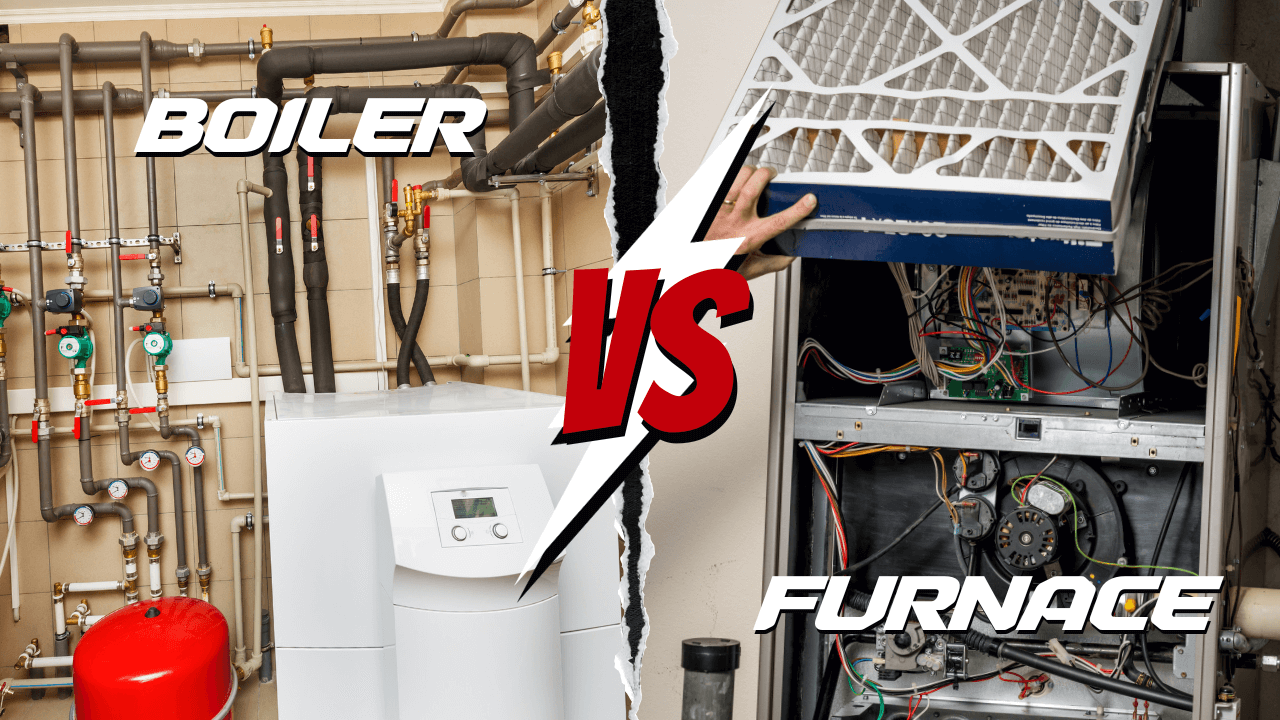
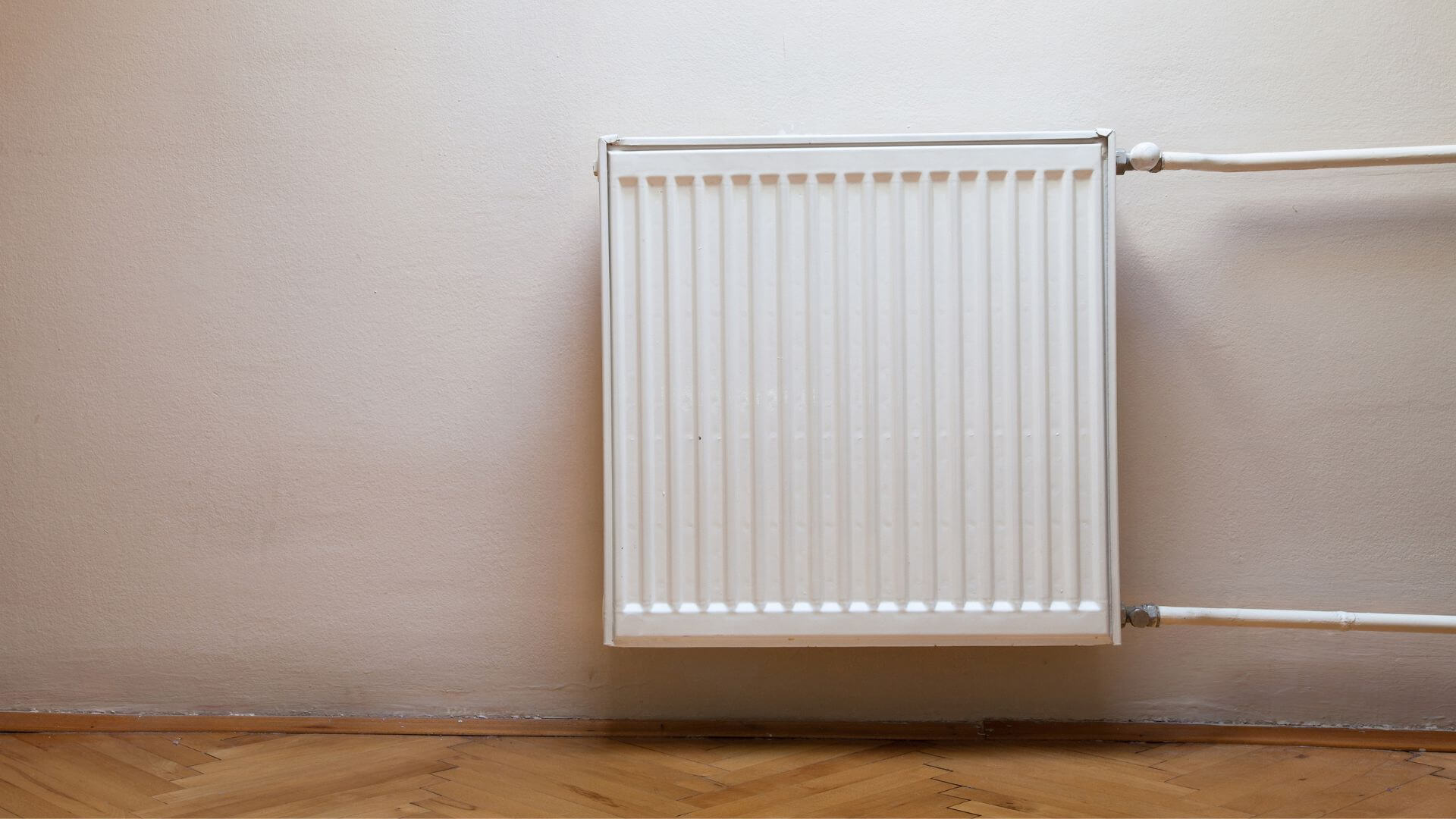
A boiler is a heating system that utilizes water to distribute heat throughout your home. Boilers heat water through various heat sources, such as gas, oil, or electricity. It heats water and then circulates it through pipes and radiators or underfloor heating systems. As the hot water flows through these elements, it releases heat into the rooms, making them comfortably warm.

What is a Furnace? 

On the other hand, a furnace is a heating system that heats the air directly. Furnaces operate by burning fuel (usually gas or oil) or using electric resistance to generate heat and then use a fan to distribute the heated air throughout your home via ductwork. The warm air is delivered through vents or registers, ensuring consistent warmth in every room.

Boiler Benefits and Drawbacks

Boilers are the unsung heroes of home heating systems, quietly and efficiently keeping our living spaces warm and cozy during the coldest months of the year. These systems may not always be in the spotlight, but they play a vital role in maintaining our comfort. Let’s discuss some of their benefits and drawbacks.

Boiler Benefits

  • Even and comfortable heating
  • Ideal for homes with radiant floor heating
  • High energy efficiency
  • Quiet operation

Boiler Drawbacks

  • Slower heating response time
  • Requires a separate hot water tank in some cases
  • Initial installation costs can be higher

Furnace Benefits and Drawbacks

Furnaces, the workhorses of home heating, are the backbone of many households’ comfort during chilly seasons. While they may not always steal the limelight, these systems are responsible for keeping our homes warm and welcoming. Here are some of the benefits and drawbacks of furnaces.

Furnace Benefits

  • Quick heating response time
  • Suitable for homes with existing ductwork
  • Lower initial installation cost
  • Air filtration options for improved indoor air quality

Furnace Drawbacks

  • May lead to uneven heating
  • Ducts require regular maintenance
  • Lower energy efficiency compared to some boilers

Which is the Right System for You?

When choosing between a boiler and a furnace, several factors come into play:

  • Existing Infrastructure: A furnace may be a more cost-effective option if you already have ductwork in your home. On the other hand, if you’re starting from scratch or have radiant heating, a boiler might be the better choice.
  • Fuel Availability: Consider the availability and cost of the fuel sources in your area, whether it’s natural gas, oil, or electricity.
  • Budget: Your budget and long-term heating expenses should influence your decision. Boilers generally have higher upfront costs but can offer energy savings over time.
  • Personal Comfort: Think about your heating preferences. Do you prioritize even, radiant heat or quick warm-up times?

Consult an Expert – North Shore Home Energy

Choosing the right heating system for your home is a significant decision. Sometimes, it’s best to get a professional opinion. To make an informed choice tailored to your specific needs, we recommend consulting experts like North Shore Home Energy. Our experienced professionals can assess your home, discuss your preferences, and guide you toward the best heating solution. Big decisions like these are best to be talked about with experts to avoid making the wrong choice that could lead to dissatisfaction and expensive prices. 

Boiler vs Furnace: Which Will You Choose?

Understanding what’s the difference between a boiler and a furnace is crucial when it comes to heating your home effectively and efficiently. Both systems have their advantages and disadvantages, so it’s essential to weigh your options carefully. Whether you opt for a boiler’s consistent warmth or a furnace’s rapid heating, the right choice ultimately depends on your unique circumstances and preferences. Consult with experts at North Shore Home Energy to ensure your home stays warm and comfortable throughout the seasons. Contact us today to consult your heating options and learn about our heating services!

Check out our Google Reviews!

By brenna@admachines.com

Heating Options for this Fall

Heating Options for this Fall

  • Heating
Stay warm this fall with expert heating solutions from North Shore Home Energy. We offer a list of comprehensive heating services!

As the leaves start to change and the temperature drops, it’s time to prepare for the upcoming fall season. The transition from the cooling season can be a smooth one if you have the right heating system in place. In this blog, we’ll explore various solutions, including forced air heating, furnaces, boilers, heat pumps, ductless mini-split systems, and geothermal options. We’ll also discuss the benefits of each type of system and provide a list of considerations to help you choose the right one for your needs. North Shore Home Energy can help you make the best decision when it comes to heating solutions. Check out our services!

The Transition from Cooling Season

As summer fades away, it’s crucial to prepare your home for the colder months ahead. The first step in this transition is to assess your heating system and make any necessary upgrades or repairs. This ensures that you’ll stay warm and comfortable throughout the fall and winter. While a simple system tune-up will usually get us through the cooler seasons, sometimes we need to replace our heating systems entirely. Realizing you need a whole new system can be overwhelming. 

Heating Options for this Fall

Between the different options, various benefits, and personal considerations, choosing the right heating solutions for your home or business is a huge task. Luckily at North Shore Home Energy, our professionals make this decision easy. To aid your decision let’s look into the different options:

  • Forced Air: This popular system uses a furnace to heat air, which is then distributed throughout your home via ductwork. 
  • Gas furnaces: Gas furnaces work by burning natural gas to heat a heat exchanger, and then a blower circulates the warmed air through your home’s ducts.
  • Electric furnaces: Electric Furnaces use electric heating elements to generate heat, and a blower circulates the heated air throughout your home.
  • Boilers: Boilers use water or steam to heat your home. 
  • Heat Pumps: Heat pumps are versatile systems that can both heat and cool your home. 
  • Ductless Mini-Split Systems: If you want a solution that doesn’t require ductwork, consider ductless mini-split systems.
  • Geothermal Heating: Geothermal systems utilize the earth’s natural heat to warm your home.

Benefits of Different Types of Heating Systems

Each system has its unique advantages:

  • Forced air heating and furnaces provide quick and even heating, making it a reliable choice for many homeowners.
  • Gas furnaces are known for their efficiency, while electric furnaces are easy to install and maintain. Both options can keep your home warm during the colder months. 
  • Boilers are known for their energy efficiency and even heating distribution. If you prefer radiant heating, boilers might be the right choice for you.
  • Heat pumps are energy-efficient and environmentally friendly, making them an excellent choice for those looking to reduce their carbon footprint and increase cost savings.
  • Ductless mini-split systems offer zone heating and cooling, making it easy to control the temperature in different areas of your home.
  • Geothermal heating is highly efficient and environmentally friendly, though geothermal heating may require a significant upfront investment.

Choosing the Right Heating System

The type of system is not the only thing to consider when you need a new heating solution. Like putting in any new appliance you want to consider all of your needs. When selecting a new system for your home, consider the following factors:

  • Size of your home: Ensure the system can adequately heat your entire space.
  • Energy efficiency: Look for systems with high-efficiency ratings to reduce energy bills.
  • Fuel type: Decide between gas, electric, or alternative fuels based on availability and cost.
  • Installation and maintenance costs: Consider both upfront and long-term expenses.
  • Environmental impact: Opt for eco-friendly options if sustainability is a priority.

Professional Heating Services with North Shore Home Energy

To ensure your heating system is in top condition for fall and winter, trust North Shore Home Energy for professional services. Our experienced technicians can perform inspections, maintenance, repairs, and installations to keep your home cozy throughout the season. With our expertise, you can rest easy knowing your system is in good hands.

Fall Heating Checklist

When fall comes around the corner, making sure your heating system is up to date is extremely important. Even if you have a brand-new system, you should always check out its functionality. You can even have your technician double-check your system when they first install it! Before the cold weather sets in, use this checklist to prepare your system:

  1. Schedule a professional inspection and maintenance service.
  2. Replace air filters to ensure proper airflow.
  3. Check thermostat settings and replace batteries if needed.
  4. Seal any drafts or gaps in your home’s insulation.
  5. Clear debris from outdoor heat pump units.

Stay Warm and Cozy this Fall

Choosing the right system is essential for a comfortable fall and winter season. Whether you opt for forced air heating, a furnace, a boiler, a heat pump, a ductless mini-split, or geothermal options, each option has its benefits. Consider your home’s size, energy efficiency, fuel type, cost considerations, and environmental impact when making your decision. And don’t forget to schedule professional heating services with North Shore Home Energy to ensure your system is ready to keep you warm and cozy. With the right solutions in place, you can look forward to a comfortable and enjoyable fall season. 

Check out our Google Reviews!

By brenna@admachines.com

The Essential Fall Heating Tune-Up Guide

The Essential Fall Heating Tune-Up Guide

  • Heating
Start preparing your home for the colder months with a fall heating tune-up with North Shore Home Energy.

As the vibrant colors of summer fade into the warm hues of autumn, there’s one thing every homeowner in New England should have on their checklist: a fall heating tune-up. With the chilly weather just around the corner, ensuring your heating system is in peak condition is crucial for a cozy and comfortable home. In this comprehensive guide, we’ll delve into why heating tune-ups are so important, why fall is the best time of year to schedule a tune-up and the different types of heating systems along with their benefits. We’ll cover everything from furnace inspections to the benefits of regular maintenance. For more information about our heating services, visit our website or contact us, North Shore Home Energy, today!

Why is Fall the Best Season for a Heating Tune-Up?

As the leaves begin to fall and the temperature drops, fall sets the perfect stage for a heating system tune-up. Here’s why:

  • Preparation for Winter: Performing a fall tune-up ensures your heating system is ready to tackle the harsh winter ahead, preventing unexpected breakdowns when you need heat the most.
  • Optimal Efficiency: Regular maintenance in the fall optimizes your system’s efficiency, helping you save on energy bills throughout the heating season.
  • Availability: HVAC professionals have more availability in the fall compared to the peak winter months, making it easier to schedule a tune-up at your convenience.

The Importance of a Reliable Heating System

A reliable heating system is the backbone of a comfortable home during the fall and winter. It provides consistent warmth, maintains indoor air quality, and ensures safety. Without proper maintenance, heating systems can become inefficient and even pose safety risks. A fall furnace tune-up can identify and rectify potential issues, ensuring your system operates safely and efficiently.

Different Types of Heating Systems

Before diving into the tune-up checklist, it’s essential to understand the types of heating systems commonly found in New England homes. Each system requires unique care and attention during a tune-up, so knowing what you have is the first step to proper maintenance. The most common include:

  • Furnaces: Forced air systems that distribute heat through ductwork.
  • Boilers: Water-based systems that deliver heat through radiators or baseboards.

Heating System Tune-Up Checklist

By following this comprehensive checklist during your pre-season HVAC tune-up, you can rest assured that your heating system will be in optimal condition, providing reliable warmth and efficiency throughout the fall and winter months. Regular maintenance not only keeps your home comfortable but also extends the lifespan of your heating system and reduces energy costs. Follow this pre-season HVAC tune-up checklist to prepare for the colder seasons:

  • Thermostat Calibration: Ensure accurate temperature readings.
  • Inspect and Replace Filters: Dirty filters reduce efficiency.
  • Check for Leaks: Inspect ductwork for air leaks.
  • Clean and Lubricate Components: Ensure smooth system operation.
  • Inspect and Clean Vents and Flues: Prevent blockages.
  • Test Safety Controls: Ensure emergency shutdowns work.
  • Check Gas Connections: Ensure no leaks or issues.
  • Test Ignition System: Confirm proper ignition.
  • Evaluate Blower Motor: Ensure it operates efficiently.
  • Monitor Carbon Monoxide Levels: Safety first!

Benefits of Heating Tune-Ups

Regular heating system maintenance isn’t just a routine task; it’s the cornerstone of a warm, efficient, and worry-free home environment. As the seasons change and the crisp autumn air arrives, understanding the multitude of benefits that come with a fall heating tune-up becomes paramount. Regular heating maintenance offers several benefits:

  • Lower Energy Bills: A well-maintained system operates efficiently, reducing energy consumption.
  • Extended Lifespan: Regular tune-ups can prolong your system’s life.
  • Improved Air Quality: Clean filters and ducts mean better indoor air quality.
  • Peace of Mind: Knowing your system is reliable brings peace of mind.

North Shore Home Energy Fall Heating Tune-Up Specials

Start preparing your home for the colder months with a fall heating tune-up with North Shore Home Energy.

At North Shore Home Energy, we understand the importance of a reliable heating system. That’s why we offer specialized fall heating tune-up specials designed to keep your home warm and your wallet happy. You can purchase a fall heating tune-up for just $135 with a 2-year labor warranty! Contact us today to take advantage of our expert services and exclusive offers!

As fall sweeps across New England, make sure your home is prepared for the cooler months ahead. A fall furnace tune-up is the key to a warm, efficient, and safe heating system. By following our comprehensive checklist and taking advantage of our fall heating tune-up specials, you can enjoy a worry-free and cozy autumn and winter season. Don’t wait until the chill sets in – schedule your heating system tune-up today and stay warm all season long!

Check out our Google Reviews!

By brenna@admachines.com

How Much Does Mini Split Installation Cost: Complete Guide

How Much Does Mini Split Installation Cost: Complete Guide

  • Cooling
  • Heating
  • Indoor Air Quality
How Much Does Mini Split Installation Cost Complete Guide - North Shore Home Energy

Mini split systems are a popular heating and cooling option for homeowners due to their efficiency and ease of use. If you’re considering installing a mini split system in your home, one of the most important factors to consider is the installation cost. In this blog post, we’ll provide a complete guide on costs and what factors affect the cost.

How Much Does Mini Split Installation Cost?

The cost of mini split installation varies depending on several factors such as the size of the unit, the complexity of the installation, and the location. On average, mini split installation costs between $3,000 and $8,000, including both materials and labor. However, the price can be higher or lower depending on the factors that we’ll discuss in the following sections.

Installation Cost Chart

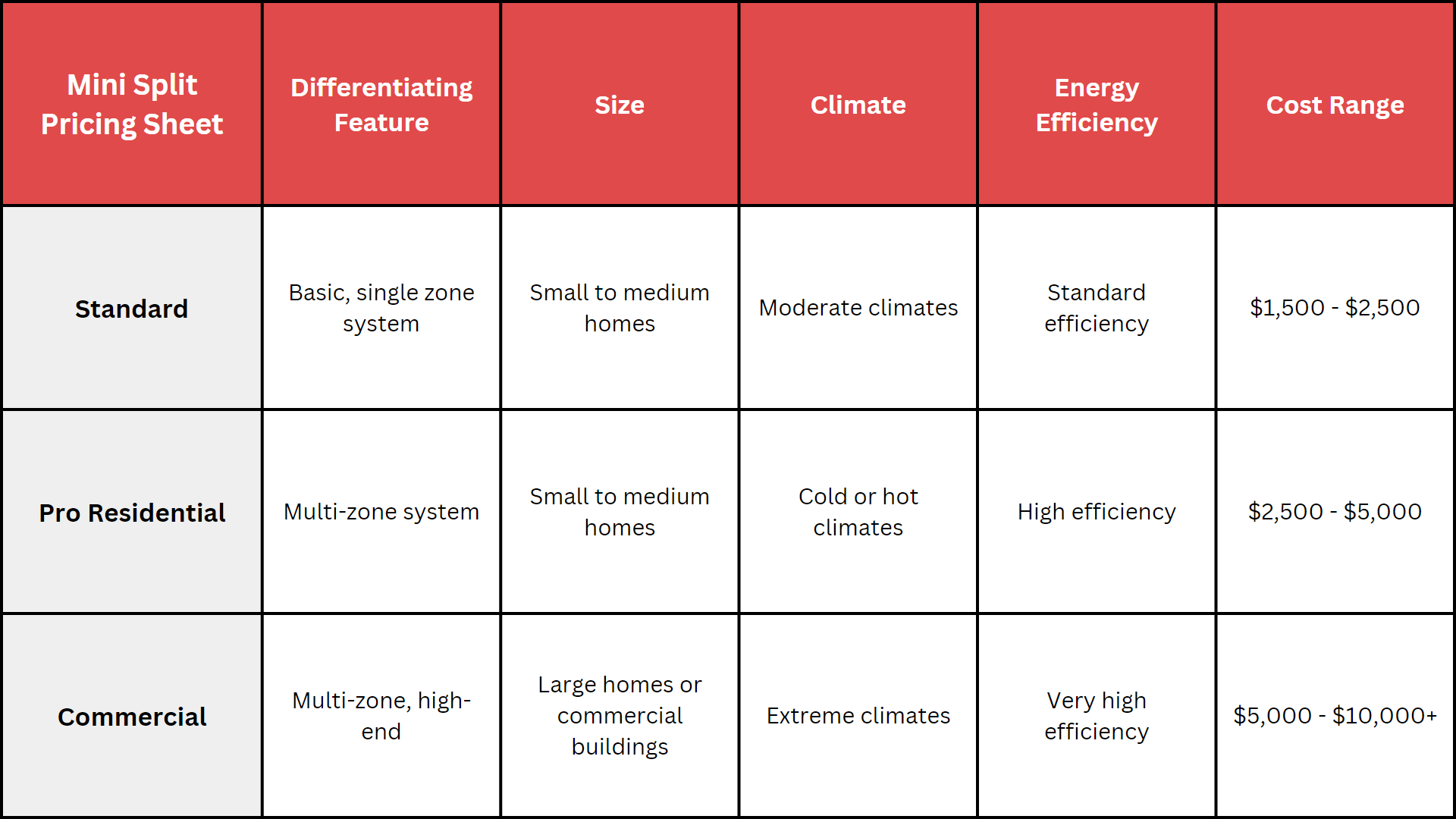
The installation cost of a mini split system can vary based on several factors. The following chart shows the average cost range based on different factors:

Mini Split Pricing Table, Differentiating Feature, size, climate, energy efficiently, cost range - Standard, pro residential, commercial
Mini Split Pricing Table

Other Factors That Affect the Cost

Several other factors affect the cost, including the size of the unit, the number of indoor units, the type of installation, and the location. Additionally, the complexity of the installation, the accessibility of the installation site, and the labor costs can also affect the overall cost.

Additional Costs to Consider When Installing a Mini Split System

When installing a mini split system, there are additional costs to consider, such as the cost of electrical work, the cost of a new thermostat, and the cost of maintenance. These costs can vary based on the complexity of the installation and the size of the unit.

Factors Affecting the Cost of Mini Split Installation

By understanding the factors that affect the cost, you can budget and plan for the installation of a mini-split system more effectively. Don’t forget to consider the additional costs when installing a mini split system to ensure that you’re fully prepared for the overall cost. Contact North Shore Home Energy for more information on installing your new mini split system.

Check out our Google Reviews!

By nshec

Don’t Get Burned: DIY Furnace Repair Risks Explained

Don’t Get Burned: DIY Furnace Repair Risks Explained

  • Heating
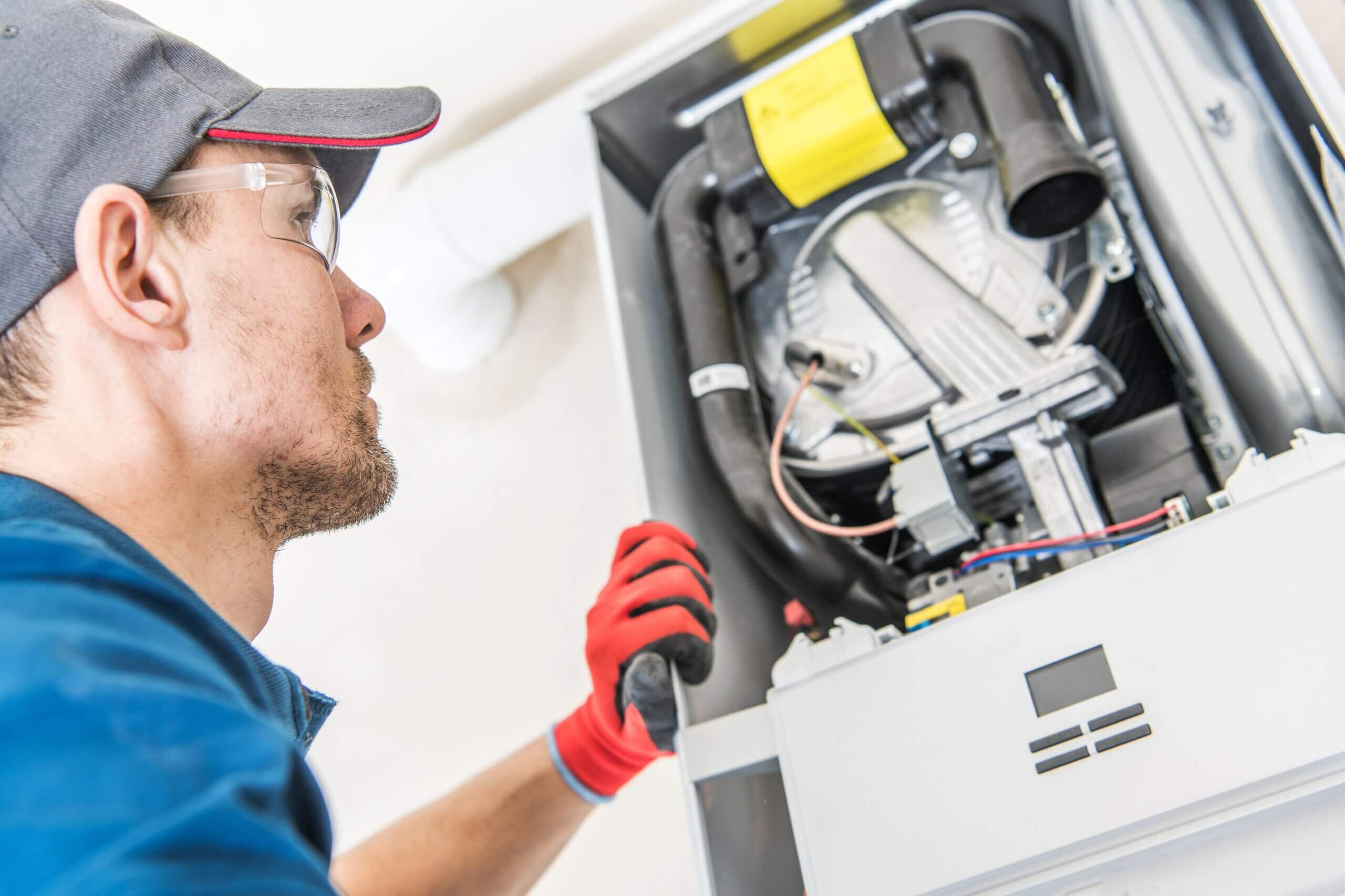
Don't Get Burned The Dangers of DIY Furnace Repair - Northshore Home Energy

If you’re like many homeowners, you might be tempted to try your hand at furnace repair to save money. However, DIY furnace repair can be dangerous and costly. In this blog post, we’ll explore the risks of DIY furnace repair, as well as the importance of proper furnace maintenance and knowing when to call a professional.

The Risks of DIY Furnace Repair

There are several risks associated with DIY furnace repair. These risks include fire hazards, electrical hazards, and the risk of carbon monoxide poisoning.

Fire Risks

One of the biggest risks of DIY furnace repair is the risk of fire. Furnaces generate a lot of heat, and any mistake during a repair can result in a fire. This can be especially dangerous if your furnace is in a small, confined space like a closet or utility room.

Electrical Risks

Another risk is electrical hazards. Furnaces use electricity to power various components, and mishandling these components can result in electrical shock or even electrocution.

Poisoning Risks

Furnaces can also produce carbon monoxide, a poisonous gas that can be deadly if inhaled in large quantities. Without the proper training and equipment, it can be difficult to detect carbon monoxide leaks and fix them properly.

Financial Risks

Finally, there are financial risks associated as well. If a repair is done improperly, it can cause even more damage to your furnace, resulting in costly repairs or even the need for a full furnace replacement.

Who to Call To Repair Your Furnace

Given the risks associated with DIY furnace repair, it’s important to know when to call a professional. If you’re experiencing any issues with your furnace, such as strange noises, lack of heat, or frequent cycling, it’s best to call a professional furnace repair technician at North Shore Home Energy.

Proper Furnace Maintenance

To avoid the need for frequent furnace repairs, it’s important to properly maintain your furnace. This includes changing your furnace filter regularly, keeping your furnace clean, and scheduling regular maintenance appointments with a professional technician. Proper maintenance can help extend the life of your furnace and prevent costly repairs.

Other Risks

Outside of the physical risks associated with DIY furnace repair, there are warranty and quality risks as well. Click here to learn more.

In conclusion, DIY furnace repair can be dangerous and costly. With the risk of fire, electrical hazards, carbon monoxide poisoning, and financial risks, it’s important to know when to call a professional furnace repair technician. By properly maintaining your furnace and scheduling regular maintenance appointments, you can help prevent the need for repairs and keep your furnace running efficiently and safely. Don’t get burned – leave furnace repair to North Shore Home Energy! Give us a call today and check out our Google reviews! 

By nshec

DIY Furnace Repair: Why You Shouldn’t Attempt It

DIY Furnace Repair: Why You Shouldn’t Attempt It

  • Heating
professional furnace repair done by North Shore Home Energy

As the temperature starts to drop, your furnace becomes an essential component of your home. However, with regular use, your furnace can break down, leading to a cold and uncomfortable home. If you encounter any problems with your furnace, you may be tempted to attempt a DIY furnace repair. While it may seem like a cost-effective solution, it can cause more harm than good. Here’s why you should always hire a professional for furnace repair instead of attempting to fix it yourself.

Why DIY Furnace Repair is a Bad Idea

Generally, attempting to repair a furnace yourself is a bad idea due to a number of reasons, including:

  • Safety
  • Cost
  • Efficiency
  • Warranty

Safety Concerns

Furnaces are complex machines that require a certain level of expertise to repair. Attempting to fix your furnace without the necessary skills and knowledge can pose a significant risk to your safety. A professional furnace repair technician will have undergone extensive training to handle these appliances safely. They will be equipped with the appropriate tools and protective gear to avoid any accidents.

Click here to learn more about the physical risks of DIY furnace repair.

Cost-Effective Solutions

One of the main reasons people attempt DIY furnace repairs is to save money. However, in most cases, the opposite is true. Fixing a furnace requires specialized equipment and parts that are often costly. A professional furnace repair technician can diagnose the issue quickly and efficiently and have the necessary parts to fix it. Attempting to repair your furnace on your own can cause more damage, leading to additional costs in the long run.

Efficiency

Your furnace is responsible for heating your entire home. When it malfunctions, it can lead to discomfort, especially during the colder months. Attempting to fix it yourself can cause more damage, leading to reduced efficiency and an increased energy bill. A professional furnace repair technician will ensure that your furnace is working at optimal efficiency, saving you money on energy costs.

Warranty

Most furnaces come with a manufacturer’s warranty that covers any defects or damages. Attempting a DIY furnace repair can void this warranty, leading to additional costs if anything goes wrong. A professional furnace repair technician will ensure that any repairs are made according to the manufacturer’s specifications, keeping your warranty intact.

Don’t Attempt Do-It-Yourself Furnace Repairs

While attempting a DIY furnace repair may seem like a cost-effective solution, it can cause more harm than good. With safety concerns, cost-effective solutions, efficiency, and warranty implications, it’s always best to hire a professional furnace repair technician. At the first sign of trouble, call a professional to avoid any further damage or safety concerns. Don’t risk fixing your furnace yourself, always hire a professional. Call North Shore Home Energy for all your furnace repair needs, and don’t forget to check out our Google reviews!

By nshec

Which HVAC Systems Qualify For Mass Save Rebates?

Which HVAC Systems Qualify For Mass Save Rebates?

  • Heating
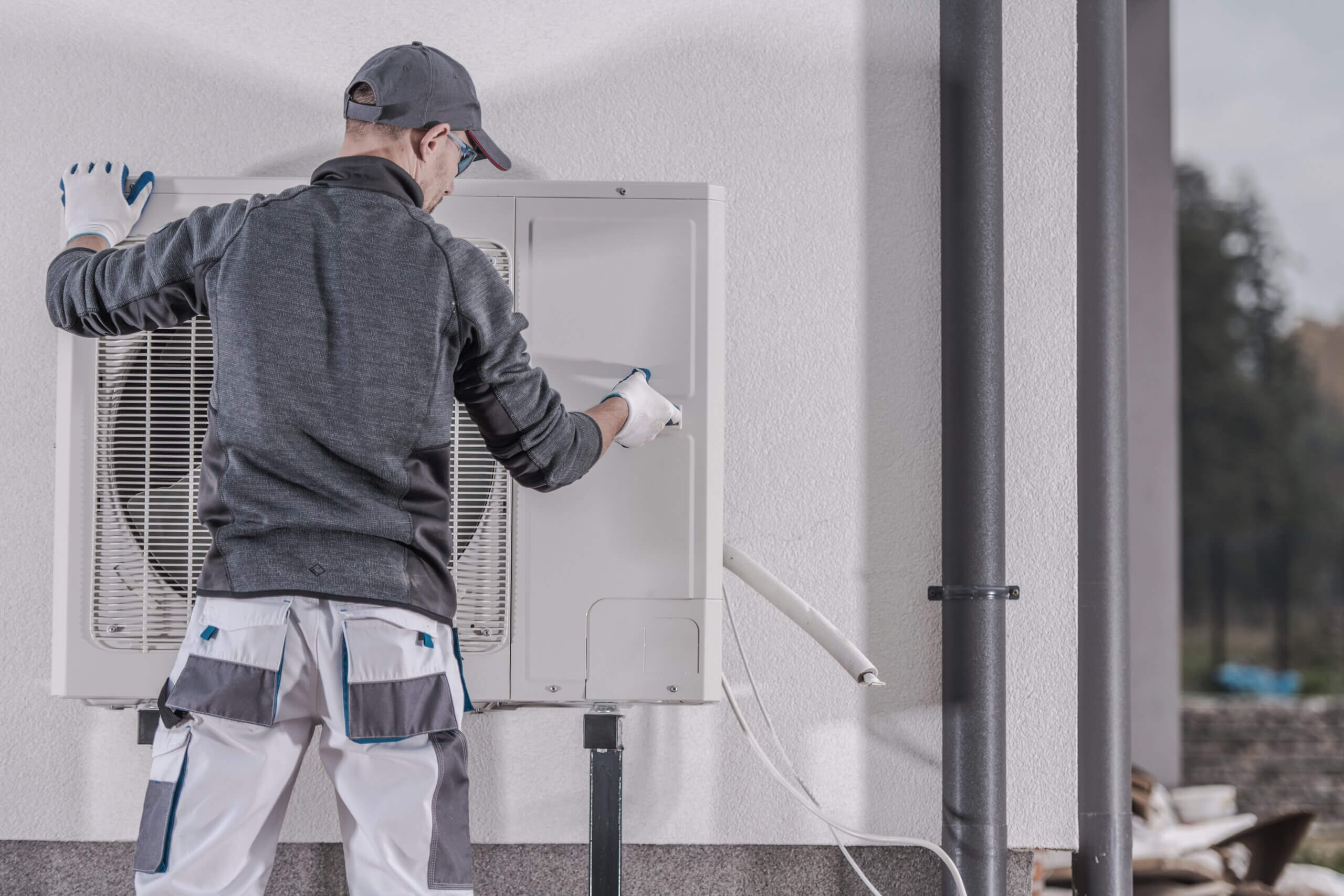
Qualifying heat pump for Mass Save being installed by North Shore Home Energy

Mass Save is a Massachusetts-based energy savings program that provides incentives and rebates to homeowners and businesses who invest in energy-efficient upgrades. One of the most cost-effective ways to reduce energy usage and save money is by upgrading your HVAC (Heating, Ventilation, and Air Conditioning) systems. In this article, we’ll discuss which HVAC systems qualify for Mass Save rebates and the types of rebates available.

Mini Splits that Qualify for Mass Save Rebates

Mini split systems are an increasingly popular choice for home heating and cooling solutions. They are easy to install, relatively small in size, require minimal ductwork, and offer great efficiency compared to other systems. Mini-splits also come with both heating and cooling capabilities, making them a perfect all-in-one solution for any home. 

Mass Save offers up to $10,000 in rebates when you install a qualifying mini-split system. To qualify, the system must be at least 15.2 SEER or higher and meet certain other criteria.

Heat Pumps that Qualify for Mass Save Rebates

Heat pumps are another popular option for home heating and cooling systems. They are incredibly efficient, as they can transfer heat from one place to another instead of generating it themselves. Heat pumps can work as a standalone system or in conjunction with other HVAC equipment, such as air conditioners or furnaces.

If you install a qualifying heat pump system, Mass Save offers up to $10,000 in rebates for air-source heat pumps and up to 15,000 for ground-source heat pumps.

Furnaces that Qualify for Mass Save Rebates

Furnaces have been the go-to choice for home heating for decades. Although they are not as efficient as newer systems such as mini splits or heat pumps, they are still a viable option and often the most cost-effective choice. 

Like the above two options, you can save up to $1,000 in rebates when you install a qualifying furnace. The system must be rated at least 95% Annual Fuel Utilization Efficiency (AFUE) to qualify for the Mass Save rebate.

Room Air Conditioners that Qualify for Mass Save Rebates

Window-mounted room air conditioners are the traditional go-to choice for home cooling solutions. They are relatively simple to install and can be relatively efficient compared to other cooling options. 

Mass Save offers a $40 rebate when you install a qualifying ENERGY STAR certified room air conditioner. If you’re looking at heat pumps or mini splits for air conditioning, refer to the appropriate sections above.

Boilers that Qualify for Mass Save Rebates

Boilers are often used instead of a furnace to provide heat. They are known for their long life expectancy and their efficiency.

If you are considering installing a boiler, remember that the system must be rated at least 95% Annual Fuel Utilization Efficiency (AFUE) to qualify for the Mass Save. Mass Save can offer up to $1,200 in rebates.

Mass Save and North Shore Home Energy

There are a variety of rebates for energy-saving upgrades. The type of system you choose will depend on your budget, lifestyle, and needs. When selecting a system, make sure to look into the various rebate programs available through Mass Save. This can help you save money and ensure you get the most efficient system for your home.

North Shore Home Energy is proud to be a qualified Mass Save installer and can help you through the various stages of the rebate process. Contact North Shore Home Energy today to install your qualifying Mass Save appliances!

By nshec

Dangers of Electric Space Heaters

Dangers of Electric Space Heaters

  • Heating
dangerous electric space heater in use

Electric space heaters can be a convenient way to heat a small area, but they also come with a number of dangers if not used properly. In this blog post, we’ll go over the appropriate uses of space heaters, the dangerous uses of space heaters, and how energy-efficient space heaters are compared to furnaces. We’ll conclude by discussing why space heaters should be avoided in the long term.

Appropriate Uses of Space Heaters

When used correctly, electric space heaters can be a great way to quickly heat a small area, such as a bedroom or home office. They’re also useful for providing extra warmth in a drafty room, or as a backup heat source in case of a power outage. However, it’s important to only use space heaters in well-ventilated areas and to never leave them unattended.

Dangers of Electric Space Heaters

Unfortunately, many people use space heaters in ways that can be dangerous. For example, some people place space heaters too close to flammable materials, such as curtains or furniture. Others use space heaters in damp areas, such as bathrooms, which can lead to electrocution. Additionally, many people leave space heaters on for too long, which can lead to fires.

Energy Efficiency Compared to Furnaces

When compared to furnaces, electric space heaters are not as energy efficient. Furnaces heat the entire house, while space heaters only heat the area they’re placed in. Additionally, space heaters often use more energy than they need to, as they’re often left on for longer periods of time than necessary.

The Dangers of Electric Space Heaters Aren’t Worth It

While electric space heaters can be a convenient way to heat a small area, they come with a number of dangers if not used properly. Additionally, they are not as energy efficient as furnaces. For these reasons, it’s best to avoid using space heaters in the long term and instead invest in a more efficient heating system for your home.

If you have considered using a space heater to heat your home, think again. If your heating system needs maintenance, repair, or replacing, we would be happy to help. Call North Shore Home Energy for all your heating system needs, and don’t forget to check out our Google reviews!

By nshec