Winter is Coming: Everything You Need to Do To Prep for this Year’s Heating Season 

Winter is Coming: Everything You Need to Do To Prep for this Year’s Heating Season 

  • Heating
heating

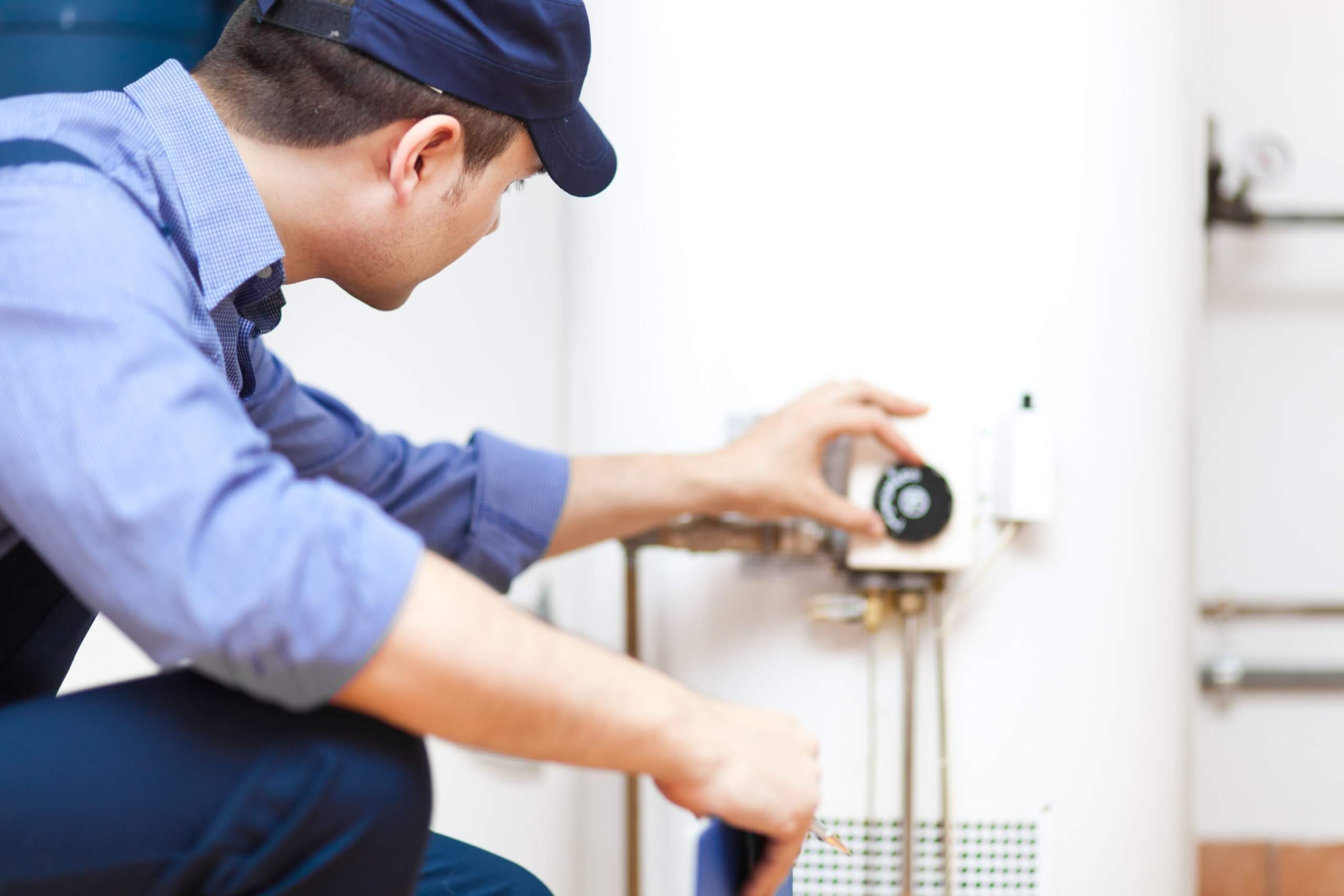
The leaves are changing, the wind is getting brisk, and pumpkin spice flavoring has emerged from its year-long slumber. Fall is back, and it’s only a few weeks until you need to fire up your heater for the cold winter months. But at North Shore Home Energy, we favor a proactive approach to home heating, which means that the fall season is the perfect time to ready your system for the workout it’ll be getting when the thermometer starts dropping below sixty. 

There’s a lot you can do over the next few months to ensure you don’t have any nasty surprises when it’s time to fire up that furnace. Here’s a short checklist of things to consider before winter starts in earnest.

Call a Licensed Maintenance Technician for a Tune Up

Obviously one of the best things you can do is call in the pros at North Shore Home Energy. Our team members are certified HVAC experts and we know the value of regular maintenance. Having a professional get eyes on your system on a regular basis is the optimal way to ensure that your system is ready for anything the winter weather throws at it. Regular professional tune-ups can detect threats before they become substantial, costly problems.

Upgrade Your Equipment

Fall is a great season: it’s not too hot, not too cold. A lot of folks would argue that it’s a prime time of year for comfortable weather. That makes it the perfect time to consider upgrading your older HVAC system. The average system lasts about ten years with good maintenance. Replacing it while the weather is agreeable means you don’t have to worry about sweltering or freezing during the process. 

Change Your Filter

This is a pretty simple step you can take. The amount of dirt and debris that gets stuck in your HVAC system’s filter would shock and amazing you. A dirty, used-up filter will almost always result in problems and breakdowns of your system, especially considering how simple of a fix it is to just swap in a new one. 

Fire Up The Furnace for a Dry Run

Taking things out for a test run is never a bad idea. You do it with cars, do it with your HVAC system. Before things get really cold, it’s a good idea to fire up your heating system and see if it works properly. If there’s any issues (cold spots in the house, no heat, etc) you can call out a professional to deal with it before you’re left out in the cold.

For More Information on All Things Heating, Call NSHEC Today!

Contact North Shore Home Energy Today!

Check Out Our Current Specials!

Read The Great Things That Your Neighbors Are Saying About NSHEC.

By nshec

7 Maintenance Tips to Keep Your Backup Power Flowing

7 Maintenance Tips to Keep Your Backup Power Flowing

  • Generators
backup power

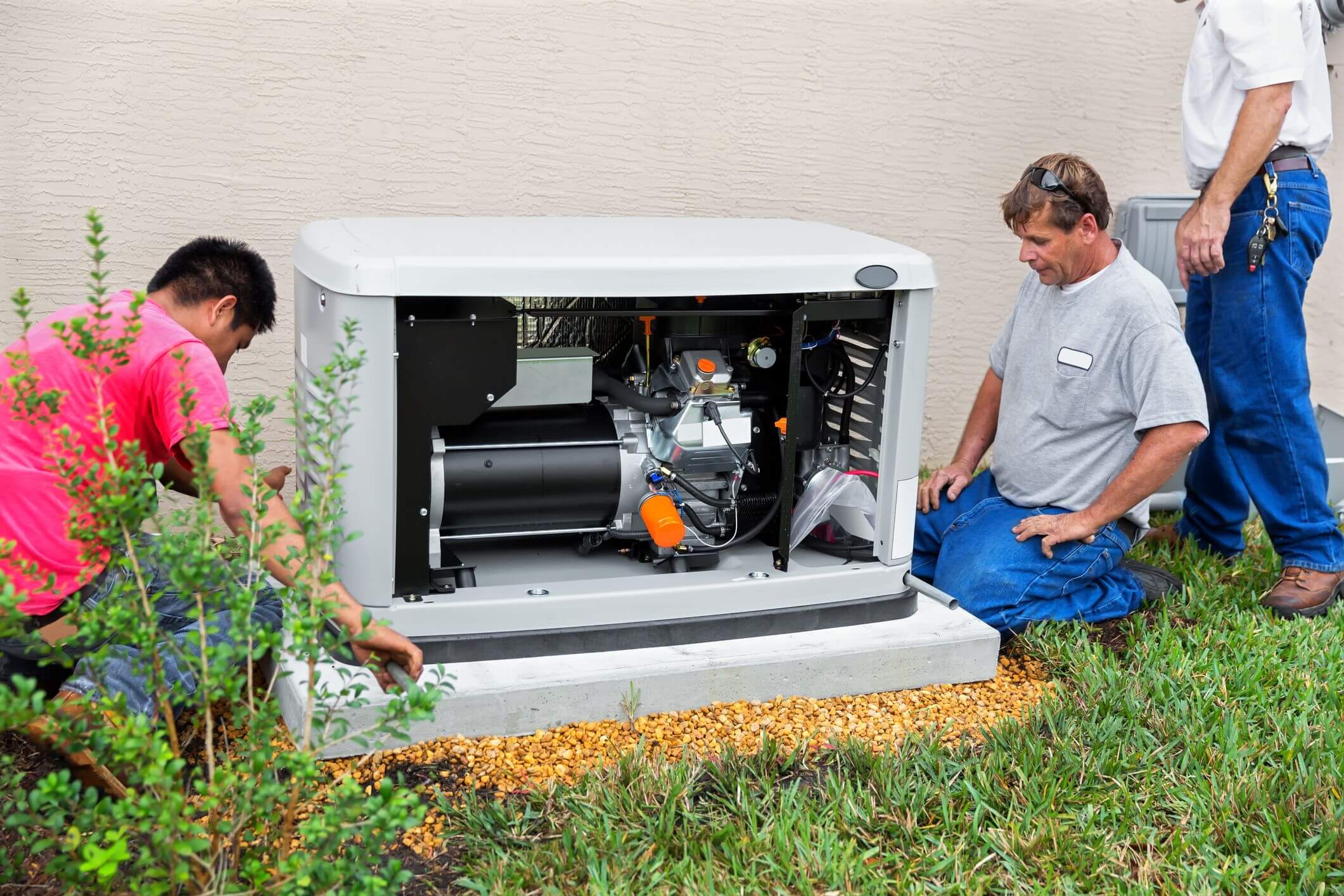
A backup generator only provides energy and electricity if the machine works when it is needed. This reliability is something that different companies tout as part of their generator sales marketing efforts. And that maintenance isn’t as complicated as it might seem. There are steps that you can take to maintain your generator to ensure that backup power comes on when you need it.  

Seven Maintenance Tasks That Extend the Life of Your Generator

Whether you perform maintenance tasks around your home or you hire someone to do that sort of work, you’re probably aware of the amount of work that homes tend to create, especially if you’re trying to ensure that problems don’t  come up when you least expect them. Some of the tasks in this list are things you can do yourself, and others, like the first, are things you might want to call in a professional for.

  1.  Have Your Generator Serviced Regularly.
    Generator companies offer a variety of services, including annual maintenance packages for different generator systems. For some units, you may be able to get away with maintenance checkups every two years, but there is a shelf life to some of the components inside the generator.  Spark plugs, filters, and other parts will need replacement at some point. Staying on top of that means fewer surprises.  
  2. Keep an Eye on Oil and Fluid Levels.
    Oil is necessary to protect the engine of your generator. It is a good idea to check the lubricant levels regularly, including after each use of the generator. Top these fluids off whenever necessary to ensure adequate levels.  Many companies suggest keeping an extra bottle of oil handy, just in case.
  3. Check Hoses and Coils Regularly for Holes, Rust and Other Issues.
    Rust and corrosion put you at risk of problems when you least expect them. Corrosion can lead to problems with fuel and lubricant levels. This goes along with Tip #2: If there are holes or other issues  that are not taken care of, you could find that fluid levels are inadequate and the unit may not start, or,  the generator may start, but could damage the engine.   
  4. Get Your Generator Covered.
    To protect your generator from the elements, especially the rain, it is important to create or purchase a cover or enclosure of some sort. You can also build a structure to cover your generator, similar to a doghouse, if you don’t want to buy one.
  5. Protect the Motor From Burnout By Using the Appropriate Cords.
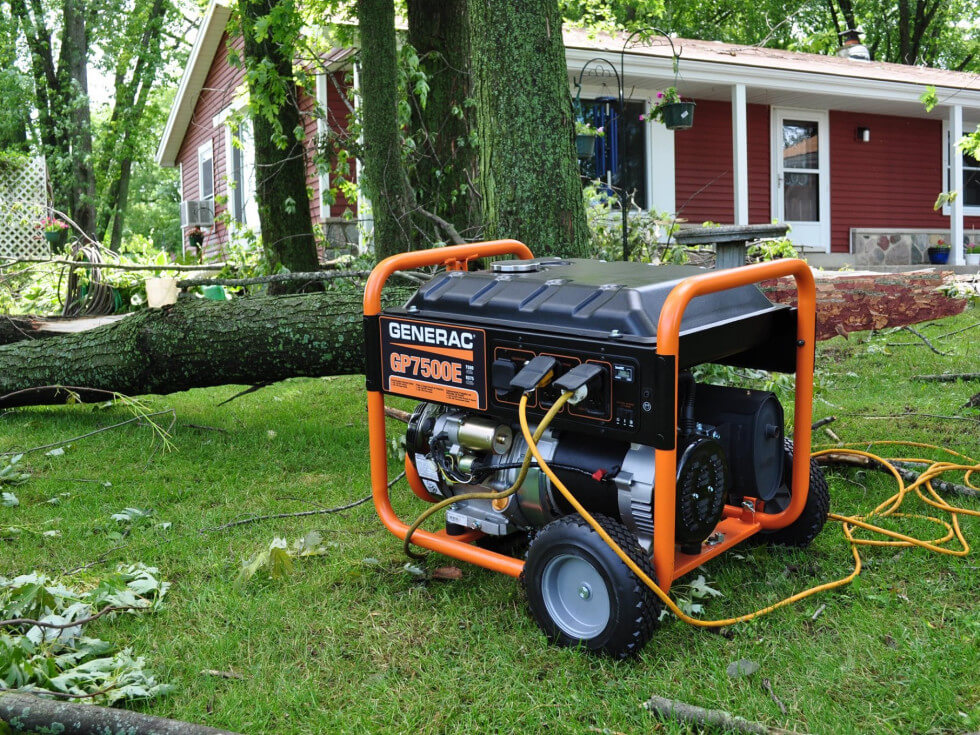
    The length and gauge of power cords can help to lessen the voltage that comes out of your generator. This protects the motor of the generator, and it also protects the items that you are powering. Heavy duty power cords with the appropriate gauge and length limits the resistance to power flow. If you’re using a longer cord to avoid potential issues like carbon monoxide, you’ll want a 16 gauge wire, which has a limit of 10 amps, based on National Electric Code guidelines 
  6. Clean yard debris and grime from the unit regularly.
    Leaves, grass clippings and dirt can build up over time and cause problems with your generator. Accumulations of dirt can slow down the motor or stop it altogether. Brush leaves and yard debris off of the outside of the system regularly so that nothing unexpected gets inside to tear up the motor.
  7. Check the Battery and Connections of a Portable Generator
    You’ll want to make sure that the battery terminal connections are tight, free of debris, and that they are free of corrosion. A well-connected battery lessens the chance of startup problems. Also, check to ensure that the battery is not leaking fluids anywhere.  If you find that your battery has an issue, like if it is low on voltage or leaking fluids, its’ time to replace it. Contact your generator dealer, or an auto parts store to learn more about the appropriate battery for your portable generator.

Generators are similar, but no unit runs just like another. Depending on the style of generator that you have, they may run differently than your neighbor’s.  Instead of seeking advice from neighbors and friends, it might be best to consult your manual or contact a dealer to find out what annual maintenance tasks are required.   Because not everyone is confident in their abilities to maintain a mechanical system like a generator, there are often service packages that can bundle many of these maintenance tasks. There are manuals that explain how to maintain a backup power generator, for those who are comfortable undertaking these tasks on their own. Consult your paperwork or contact your dealer to see about scheduling annual maintenance to keep the backup power there when you need it.  

For More Information on All Things Generator, Call NSHEC Today!

Contact North Shore Home Energy Today!

Check Out Our Current Specials!

Read The Great Things That Your Neighbors Are Saying About NSHEC.
By nshec

Why a Standby Generator Will Be Your Saving Grace This Winter

Why a Standby Generator Will Be Your Saving Grace This Winter

  • Generators
generator

It’s never too early to think about the winter months. Staying warm, however, shouldn’t be your only concern once the snow starts to fall. The winter season is a harsh time of year that puts strain on your home, plumbing, and electrical system. Heavy snow and ice can weigh down power lines or knock a tree over, which can cause major power outages. No homeowner wants to deal with a power outage, especially in the dead of winter. When you come to rely on your furnace to stay warm and prevent your plumbing from freezing, and to ensure your sump pump prevents a flooded basement, you’ll need something to make sure your home stays powered throughout the holiday season.

How a Standby Generator Can Help You

It’s always a good idea to have a backup, especially when you’re not sure when the power will come back. A standby generator works by detecting when your home has a power outage and starts generating power. If well maintained, a standby will be able to operate consistently throughout a power outage and even the most severe winter weather until the power comes back. If you’re unsure about investing in a standby generator, here’s how installing one can benefit you.

  • It ensures you stay warm and comfortable. Installing a standby generator ensures that your furnace stays on and continues heating your home. If it’s below freezing outside, it won’t take long for your home to drop to frigid temperatures. Fireplaces provide ambiance and some warmth, but it can’t keep your entire house heated. A standby generator not only keeps your furnace running, it keeps you and your household warm and comfortable.
  • It keeps the essential appliances running. Some appliances should always be running, like your refrigerator and sump pump. The food inside your refrigerator is sensitive to temperatures, and when the power goes out, the clock starts ticking until you have an entire fridge full of spoiled food. Your sump pump also requires constant power to prevent a flooded basement. A standby generator can potentially save a life if you live with someone who has a medical condition and relies on medical equipment.
  • It protects your plumbing. Your plumbing is already susceptible to the frigid temperatures, but when the power goes out; your pipes are at risk of bursting. When the inside of your home isn’t properly heated, your pipes can freeze, and the ice inside the pipes expands until the pipe bursts. Not only will you deal with malfunctioning plumbing, but a pipe flooding thousands of gallons of water inside your home. A standby ensures your plumbing is protected and functioning.
  • It turns on automatically. Unlike some power backup generators that need to be manually started, a standby backup generator will automatically turn on when the power goes out. This is particularly helpful if you’re away from home or out of town when the power goes out.

How to Maintain Your Standby Generator

A standby generator can protect your home, plumbing, and comfort this winter, but like any other appliance, it requires routine maintenance. Generally a standby generator can last up to 10,000 – 30,000 hours, depending on how well maintained the generator is and the number of power outages. If you don’t anticipate too many power outages a year, your standby generator can last up to 20-30 years. Whether your standby generator lasts a few years or 30 years, it needs routine maintenance to function effectively and live out its lifespan. To make sure you stay warm this winter, here’s a few ways you can maintain your standby generator.

  • Routinely inspect your standby generator. Your generator is complicated, and ideally should be inspected annually. Throughout most of the year, your standby generator will sit unused and is prone to damages. An annual inspection ensures it functions properly when there’s a power outage.
  • Keep your generator clean and clear of debris. A standby generator needs proper ventilation in order to function. Keeping your standby generator clear of grass clipping, leaves, and other debris, ensures it won’t overheat and work effectively.
  • Give your generator a test run. It’s a good idea to give your standby generator a test run before the winter season to ensure its working. A good test run also determines fuel quantity and quality.
  • Invest in a cold weather kit. Depending on where you live, you might need a cold weather kit before you can even rely on your standby generator. Cold weather kits work to keep the battery and other essential generator parts warm so that the engine can start.
  • Replace old batteries. On top of keeping your standby battery warm, it’s also important to replace an old battery in need of replacement. Even when it is not in use, it’s a good idea to periodically check the battery.
  • Change the oil. Dirty or clogged oil can be detrimental to your standby generator as it doesn’t lubricate properly. Colder temperatures usually require a lower viscosity while hotter temperatures require a higher viscosity, or depending on the product, you might be able to use dual viscosity oil.

Don’t Delay; Call Us Today

No homeowner wants to deal with a power outage, especially during the dead of winter. Luckily with the help of a standby generator, you stay warm and protect your home and plumbing. If you’re ready to prepare your home this winter season, a licensed electrician can help get you started. Don’t wait until the lights go out, call an electrician today.

For More Information on All Things Generator, Call NSHEC Today!

Contact North Shore Home Energy Today!

Check Out Our Current Specials!

Read The Great Things That Your Neighbors Are Saying About NSHEC.
By nshec

4 Signs That A Ductless Mini-Split AC May Be Right For You

4 Signs That A Ductless Mini-Split AC May Be Right For You

  • Cooling
ductless mini-split

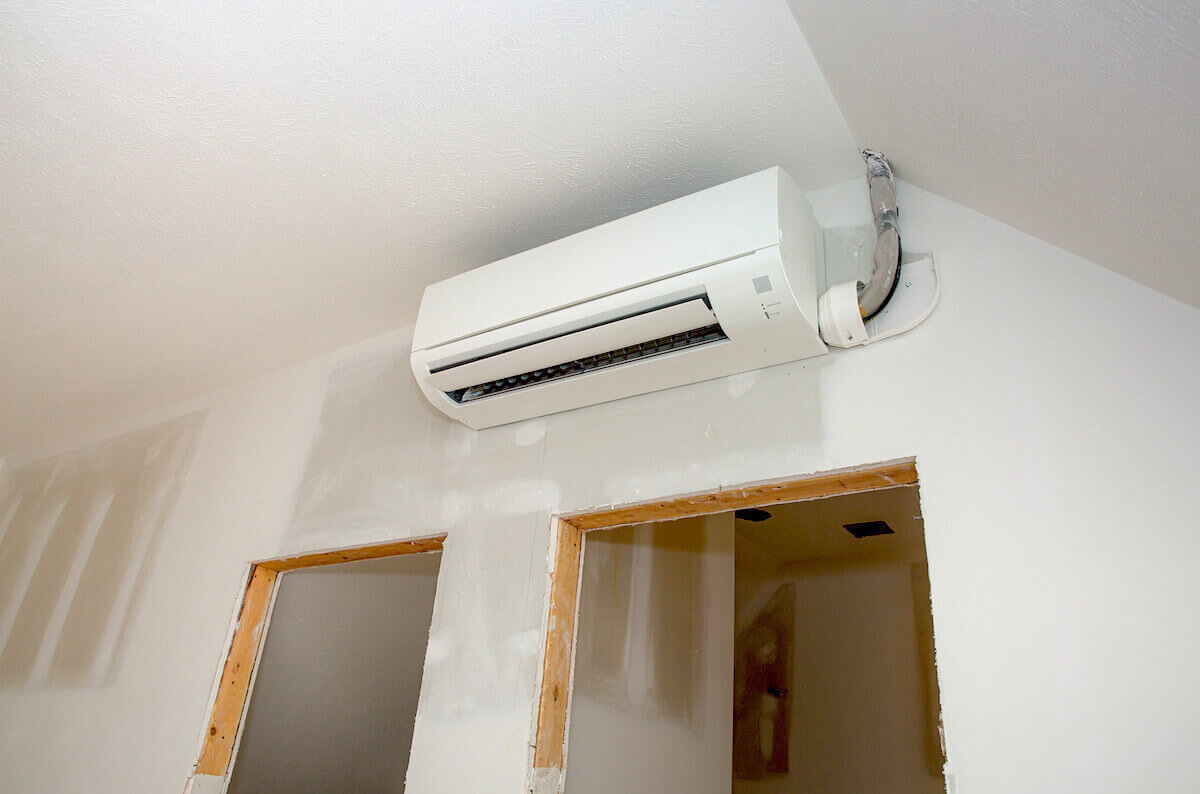
There are a lot of options out there for cooling systems. You have the standard central air systems, evaporative coolers, and even the classic window units. And that’s just scratching the surface of the deep, deep rabbit hole that is the air conditioner market. An often-overlooked variety is the ductless mini-split, which shares qualities of the other more traditional systems.  They are similar to central air systems in their shared indoor air-handling unit as well as an outdoor compressor/condenser. The conduit links the two parts of the system together and contains the refrigerant tubing, power cables, condensate drain and suction tubing. Ductless mini-splits are an increasingly popular choice amongst homeowners in the North Shore area, so we’ve complied a short list of signs that you may want to look at a ductless mini-split.

Your Energy Bill is too High

Money makes the world go round, and there are certainly some financial incentives to adopting a ductless system. Ducted systems, while they have their benefits, aren’t always the most efficient option. With a ductless mini-split, energy loss is generally less than with a ducted system, where losses can be up to 30%. Saving that much on energy costs is nothing to joke about, and will eventually result in a net gain on you finances. Granted, the system does require more regular maintenance than the standard central air system, which mainly consists of a monthly filter care to maintain air quality. But when boiled down to a choice between a higher energy bill or a little more time on maintenance, most folks should be able to make up their minds.

Your Space is not Duct-Friendly

Some spaces are just not constructed in such a way that makes duct work financially realistic. In some cases, especially in certain older buildings, installing ducts may even be impossible.  For those older structures, mobile homes, and newly constructed home additions, a ductless mini-split solution is your best bet for maximum comfort. While we’re on the topic of space, we’d be remiss if we didn’t mention how space-friendly ductless mini-split systems are. They can be mounted in any number of ways, including, but not limited to, flush-mounted on the ceiling, hung from the wall or suspended from the ceiling. The sleekly designed Mitsubishi Electric model, in particular, fits in subtly in any environment, and can be unobtrusively installed most anywhere that suits your needs.

You Need to Closely Control the Temperature in a Smaller Area

Ductless mini-split systems are at their strongest when used within a compact space. Depending on need, you may require multiple units to cover a greater area. Alternatively, you may elect to only cool certain high-traffic areas of the home.  Mini-splits offer a great deal of customization and control on the user-end, and can even be programmed to only turn on when the building is occupied, or on a schedule.

You want a system that runs cleaner

You don’t need to be one of our expertly-trained HVAC techs to know: sometimes air ducts can get downright filthy. Air ducts are notorious for being one of the primary areas for a buildup of dust, dirt, pollen, and other contaminants which may be harmful to your health. Ducts require frequent cleaning to maintain interior air quality and ensure occupant safety.  Eschewing ducts altogether, a mini-split denies these harmful materials an easy place to buildup and accumulate over time and also eliminates the need to frequent professional cleanings.

For More Information on All Things HVAC, Call NSHEC Today!

Contact North Shore Home Energy Today!

Check Out Our Current Specials!

Read The Great Things That Your Neighbors Are Saying About NSHEC.
By nshec

Thermostat Tips That Can Save You Cold Hard Cash 

Thermostat Tips That Can Save You Cold Hard Cash 

  • Heating
thermostat tips

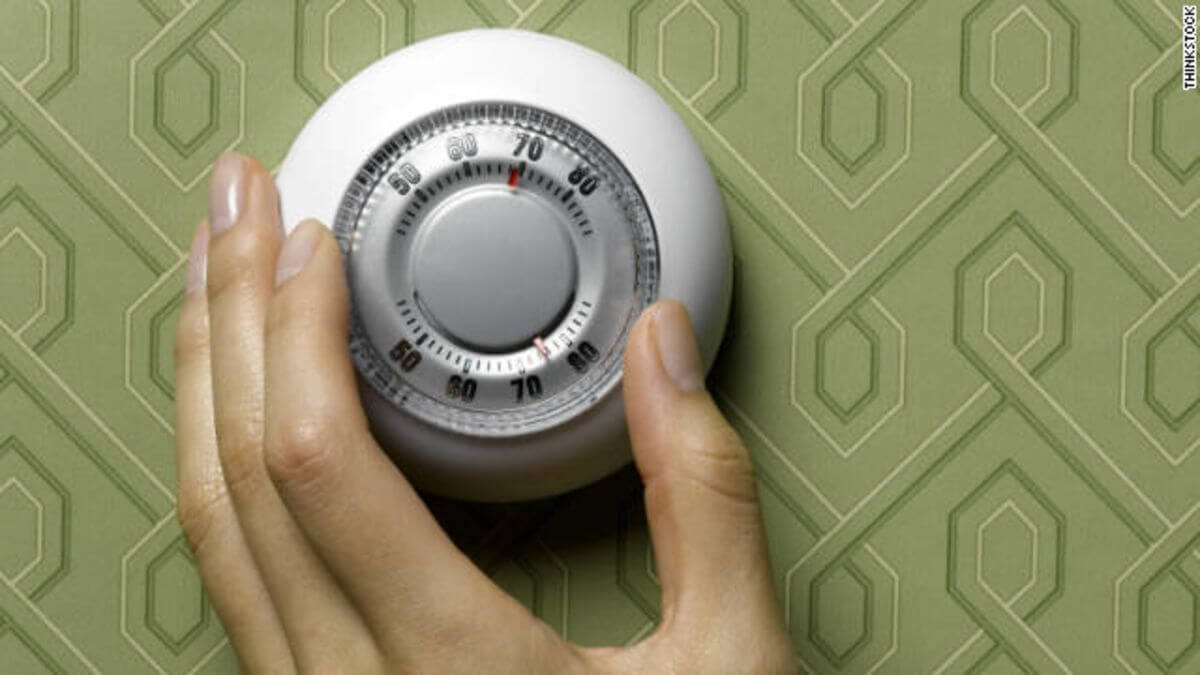
In the old days, the heater was a simple matter controlled by a manually adjusted thermostat. Too cold and you moved the need to the red side. Too warm and you moved it to the blue side. It was a pretty simple affair that even kids could figure out. No surprise, the thermostat was usually installed at a height that kids couldn’t easily get to as a result. However, today’s modern thermostat, even without an Internet connection and all the digital possibilities, is a complicated mechanism. And it can be an extremely efficient control of temperature and climate in a home if used correctly. We’ve compiled some thermostat tips to help you get the most out of your home’s HVAC capabilities while paying the least. 

Not proactively using one’s thermostat consciously creates a number of problems. Aside from expense, the home usually ends up heating unevenly. That can frequently create hot spots and cold spots, causing everyone to lose the value of the entire home and clump up where it’s warmer. Secondly, the increased demand can cause increased strain on a home heating system which eventually triggers larger repair bills. Finally, heavy demand causes everyone’s costs to go up in a community as demand increases versus supply.

The main advantage of the modern thermostat is its programmability. By using the feature alone, a homeowner can save hundreds of dollars a month in heating. Here’s how:

  • If No One is Home, Don’t Run It – When the house is empty, there is no point in running the heater. It literally involves wasting a lot of energy that translates into a monthly bill for an empty home. Turn the dial down to 55 degrees Fahrenheit. This will avoid freezing in the home but eliminate wasted heating as well.
  • Don’t Battle Your Heater and Freezer – A hot house makes your refrigerator and freezer work that much harder. If you keep the house a bit cooler, it will easily translate into savings with less electrical demand from the cooling appliances.
  • Adjust Slowly – Ever wonder how people can walk around in a T-shirt in Alaska? They adjust. If you adjust your own thermostat one degree lower a week, you will save more money and slowly adapt to a cooler temperature without feeling an abrupt cold change in your comfort level.
  • Schedule a Cooler Evening – People generally sleep better when their environment is cooler. Reduce your home heating to around 70 degrees at night and you will have a better night of sleep with a blanket and a smaller heating bill.
  • Reduce Your Thinking – Use a programmable thermostat. This is one of the biggest advantages of temperature control, allowing a homeowner to literally schedule out temperature around the house the entire week, day and night.
  • Let the Crowd Generate Hot Air – If you are going to have a party with lots of people, use their heat to boost the room temperature instead of your heater. Every person is putting out hot air, literally, and crowd of 10 or 20 will heat up a room naturally. Take advantage of that fact and save some money on party night.
  • Don’t Forget the Batteries – Programmable thermostats only work well when they are on, so if the battery runs out, it defeats the entire purpose of the machine. Keep the batteries fresh and replaced annually.
  • Winter Thrifty – Don’t let your heating limit get above 68 or 70 during the winter. It’s a comfortable level of heating and a simple sweater can avoid running the system higher and spending $20 that night in heating.
  • Maintain your System – Expensive heating problems happen because people ignore their systems. Maintain your heater with a technician check at least once a year if not twice. And change your system filter monthly. Just a clean filter alone will prolong the heater life considerably.
  • Use a Fireplace – The heat generated from a fireplace can be considerable for the room it is in, entirely negating the need for heating. Just make sure that you burn on an allowable night as many neighborhoods now have non-burning nights due to new ordinances.

With rising energy prices in heating oil, gas and electricity, your home thermostat can literally be your best friend in personal cost control. However, the homeowner needs to be proactive in using it effectively. A thermostat won’t change and adjust to winter settings on its own (at least not yet although there are some amazing new ideas on the horizon for smart home settings). Your bank account will appreciate the attention when it comes time to pay the monthly bill, and your heating system will last a lot longer from less strain and demand as well.

For More Information on All Things HVAC, Call NSHEC Today!

Contact North Shore Home Energy Today!

Check Out Our Current Specials!

Read The Great Things That Your Neighbors Are Saying About NSHEC.
By nshec

10 Questions to Ask Before A Furnace Replacement

10 Questions to Ask Before A Furnace Replacement

  • Heating
furnace

When chilly weather rolls around, nothing could be more important than being comfortable in your own home and having peace of mind. Having the right home heating system for your home and specific needs can provide that comfort and peace.  According to the U.S. Department of Energy, home heating and cooling accounts for more than half of the average homeowner’s utility costs. If your home has an outdated, inefficient older furnace, it could be needlessly raising your energy bill. Likewise, if you purchase a new, energy-efficient furnace model that is incorrectly sized for your home, you could still be at risk for higher costs.

Careful consideration when selecting a new furnace provides many benefits. Your new furnace will be able to handle the comfort needs of everyone in your family, reduce your utility bill, improve your indoor air quality, and extend your furnace’s lifespan, allowing you to enjoy a warm, stress-free fall and winter for years to come.

Various characteristics of your new furnace unit, such as type, size and efficiency, affect the amount it will cost to keep your home toasty when the temperature drops, as well as how long your furnace will continue operating at peak levels after years of use during the peak heating season. Purchasing the incorrect furnace for your home will result in a variety of potential issues that will cause stress instead of keeping you warm and comfortable during the winter months:

  • Poor system efficiency – Each home has its own specific heating needs. The incorrect system, even an energy-efficient model, can be inefficient in your home due to size or type.
  • Increased repair and maintenance costs – When you install the wrong size or type of furnace for your home’s size or needs, it can put stress and strain on the unit to keep your home comfortable, resulting in more frequent maintenance and need for repairs.
  • Shortened furnace lifespan – When your furnace struggles to keep up with your heating needs, it will cycle on and off frequently, increasing wear on your system, and eventually require replacement, whereas a unit suited to your home will provide years of service.
  • Inconsistent heating during fall and winter – Your furnace needs to be carefully selected for your home and your geographical location to ensure that it not only provides sporadic heating during cooler fall months, but can handle constant use during frigid winters.
  • Increased safety risks – Installing a furnace that is incompatible with your home’s specific size and needs can greatly increase the chance of residential fires as well as heighten risks of carbon monoxide exposure.

For More Information on All Things HVAC, Call NSHEC Today!

Contact North Shore Home Energy Today!

Check Out Our Current Specials!

Read The Great Things That Your Neighbors Are Saying About NSHEC.
By nshec

Never Lose Power Again With an Automatic Standby Generator

Never Lose Power Again With an Automatic Standby Generator

  • Generators
generator

Many things can affect power in your home. While many people simply rely on the power company to remedy the problem in a timely manner, there are others that prefer to take it into their own hands. Sometimes, the power company can get the power back on quickly but what happens if they can’t? You can bypass this possibility by having a standby generator for your home just in case anything like this occurs.

Pains of Not Having a Working Generator

You never know when the power will go out and without a standby generator, you will open yourself up to many different pains that can only get worse with time. Without a generator, you will have no power in your home, you will lose air conditioning in the summer and heating in the winter, and you may even lose all of your food in the refrigerator and freezer if the power is off long enough. It will be difficult to walk around your home at night because you will not have any lights that you can turn on. You can use a flashlight or candles if you have them but even that can be a pain. One thing that loss of power effects is the water in your home. Many people do not consider this but without power, your water pump cannot work. This results in an inability to flush toilets in the home, inability to use a shower or bath, and inability to even wash your hands or dishes in the sink. All of these pains result in more stress. The longer power is off, the worse these things become and the more stressed you are as a result.

Benefits of Having a Working Automatic Generator

When you do have an automatic standby generator, you have something that can help you avoid all of these pains. It serves as automatic emergency power should you ever need it. By providing emergency power, it gives many other benefits to the users such as lights to use within the home when needed, use of the air conditioner or heater so you can be comfortable, preservation of your food within the home, and even continuous use of the water in your home. You will not have to wait to use the water until the main power source comes back on which means you can freely use the restroom or take a shower as needed. Essentially, you can go about your day as if nothing has happened even if your main power source is not functioning correctly. This brings you more peace of mind and less stress overall. 

Features of a Working Generator

Having a working generator is beneficial as long as you get one that is reliable. Before you purchase the first one you find, you need to make sure it has some key features. You do not want to waste money on a system that in inefficient for your home.

Size and Placement

The first thing you want to consider is the size of the system. You want to make sure that it is big enough to power your home should you need it. Additionally, you need to consider the space you need for the generator and make sure you have the space for it in your home. The best way to do this is to have a technician come out to and conduct the measurements for you.

Power Source

A backup generator needs to be powered by something and there are several different fuel types available. These are some of the most common ones as well as what you can expect while using them:

  • Gasoline – Gas is an in-expensive fuel option that is easy to obtain. It is also highly flammable and can only be stored for a year before going bad so it is not always the best option. 
  • Diesel – Diesel is very common because it is highly efficient, just as easy to acquire as gas, and can be stored for 1.5 to 2 years. It is slightly more expensive, however.
  • Natural Gas – With natural gas, you have to have a gas hookup at your home. However, this also eliminates the need for storing fuel because you will have it as long as it is hooked up.
  • Propane – Propane is a popular option because it can be stored indefinitely. Generators that use this fuel as a source burn through more fuel, though so it is not ideal for a big system.

Maintenance

In order to continue working properly, generators need to have maintenance on them periodically. This is an additional responsibility and cost you will need to plan for. When searching for the right generator, you need to take note of the maintenance schedule so you can understand what is expected of you as the homeowner.

Brands of Generators

When you are shopping for a working generator for your home, you will find that there are many different brands of generators available in the marketplace. While the basic idea is the same for all generators, there are benefits of choosing specific brands. Some will offer warranties, others will offer rebates. You will want to research these brands prior to buying to make sure you get a quality generator. A good way to research them is by looking at reviews online for the different brands. 

For More Information on Generators of All Shapes and Sizes, Call NSHEC Today!

Contact North Shore Home Energy Today!

Check Out Our Current Specials!

Read The Great Things That Your Neighbors Are Saying About NSHEC.
By nshec

Generators 101: Everything You Need To Know Before You Buy

Generators 101: Everything You Need To Know Before You Buy

  • Generators
generators

Keeping your home going during an extended power outage can be a real pain, but what about if you have a business? Your customers and your family rely on your ability to serve their needs: for heat, cooking and for computing power. If you’re in an area that is either rural or prone to regular power outages, having a standalone power generator on hand can help you keep things moving — and can even be lifesaving in certain parts of the country during cold winters or hot summers. Power outages are a nuisance at best, and having a reliable source of backup power is even more critical with today’s reliance on the grid. 

Types of Power Generators

While there are technically more than four types of power generators, the most commonly used and available ones are natural gas, diesel, propane and gasoline. Some generators are portable while others require a set location due to their energy needs. Some uncommon forms of generators include those powered by biofuels, combination biofuels and diesel and even some hydrogen generators. While many hope that hydrogen generators, running on the hydrogen found abundantly in water, will be the wave of the future, this technology is still in its infancy. 

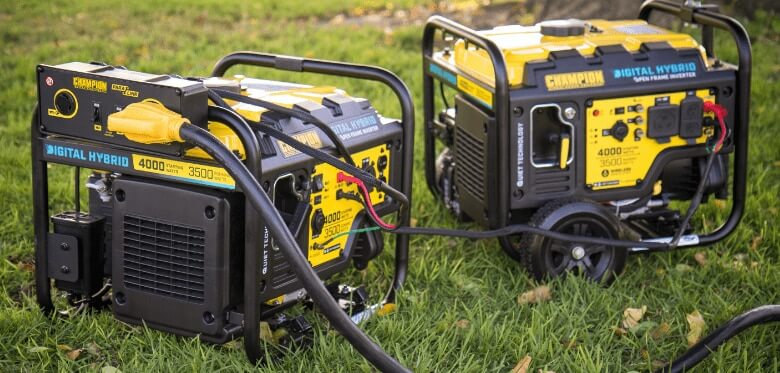
  • Natural gas is readily available and in ample supply throughout the country, making it a premiere choice for power generation. Generators run directly on fuel that comes through available gas lines so they are lower maintenance and don’t require constant refueling as other types of generators do. However, these generators are not portable and can have a higher installation cost due to the need to run hard lines directly to the unit. Natural gas is a relatively clean form of energy that starts and runs well in all kinds of weather. Power generators that run on natural gas may not last as long as the sturdy diesel units, and damage to a gas line will cause immediate disruption of service. Additionally, there is always the concern of a natural gas leak — which can be very dangerous. 
  • Diesel generators are the workhorse of the generator world. Diesel is a near-ideal option for short-term, alternative power generation as it is not very flammable, has wide availability and the engines that drive these generators are sturdy and efficient. While they do tend to cost slightly more than gas alternatives, diesel generators are relatively cost-effective to purchase and they start quite easily when you need them on cold winter mornings. Some cons to a diesel generator are the inability to store diesel fuel for longer than 24 months, and an inability to pump the fuel where needed without power. There are also significant emissions with a diesel-powered generator, which leads to additional environmental concerns.
  • Propane gas generators burn cleanly, can be stored in high quantities and have high availability even during a power outage. The overall emissions from a propane gas generator is low, they are affordable and long-lasting. They also tend to be quieter than diesel engines, with many of the benefits of natural gas generators. However, propane is quite explosive and must be stored under pressure — while the complex delivery systems required for propane have a propensity to break. Propane gas generators tend to run through up to three times the amount of fuel needed for other generators and the systems are unlikely to have the durability and lasting power of a diesel option. 
  • Gasoline generators are the most common option, due to their all-around positive attributes. Gasoline is easily available, though it does require power for pumping, and since they are so common these generators are amongst the cheapest. Gasoline generators are often used for homes or other small applications where generators bridge a short-term gap between power outages. Gasoline is priced higher than diesel or propane options and the generators are not as reliable in colder temperatures.

Power Generator Dangers

While power generators are an acceptable way to get you through a power outage, it’s important to note that they’re not without their hazards. Everything from carbon monoxide poisoning to electric shock are possible with these large power-generating devices. Using a power generator in enclosed spaces is rarely a good idea, and they are often located outdoors and slightly away from buildings for just that reason. Unfortunately, carbon monoxide is invisible and impossible to smell so you may not realize there’s a problem until it is too late. Since generators are creating electricity, all the standard electrical hazards also apply: water, wiring concerns and even fire hazards. 

Life Expectancy and Maintenance

Since generators are meant to be run only sporadically, their lifespan is significant. Some generators have a life expectancy of up to 30 years, based on around 3,000 hours of lifetime use. However, that figure varies widely by the type of generator and whether or not they are receiving the appropriate maintenance and are placed in an optimal location. Keeping your generator humming along when you need it may be as simple as keeping oil and filters on hand for an extended outage. Diesel and gas generators may need to have an oil change every 50-60 hours, and if you’re out of power for a week or longer this time can add up quickly. Allow engines to cool before you add additional fuel, and be sure you always keep the tanks filled up for generators that are not attached to a hardline fuel source. Allowing an engine to run completely dry can damage the overall system in a very expensive way. 

Selecting the right generator for your needs should be a balance based on several factors including geographic location, expected load, usage levels and budgetary requirements — both ongoing and upfront. Safety should always be a priority as well. Depending on your needs, you may select a portable generator that generally requires active intervention or a standby generator that starts automatically upon power outages. Standby generators are generally natural gas or propane powered and may be ideal for businesses or families with strict health care needs, small children or the elderly.

For More Information on Generators of All Shapes and Sizes, Call NSHEC Today!

Contact North Shore Home Energy Today!

Check Out Our Current Specials!

Read The Great Things That Your Neighbors Are Saying About NSHEC.
By nshec

7 Essential Furnace Parts

7 Essential Furnace Parts

  • Heating
furnace

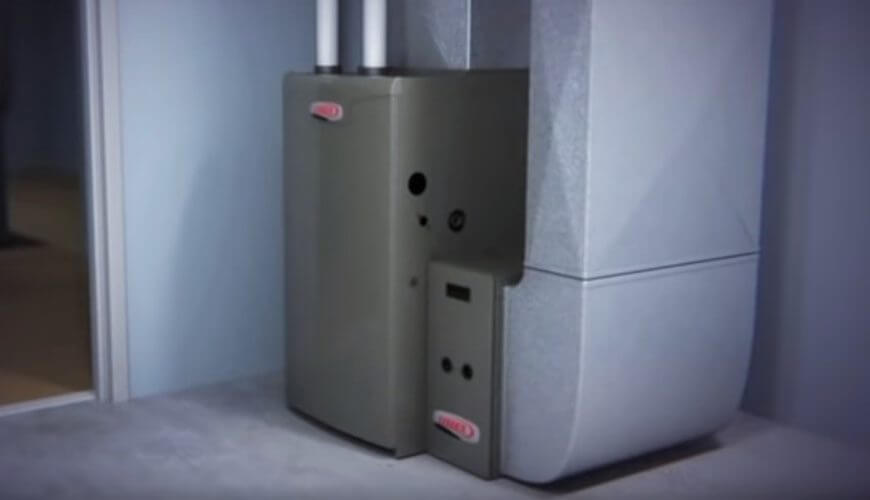
If you’re like most homeowners, you know that your furnace is responsible for heating your house.  How it does this,  however, is a mystery to the general population.  When your furnace stops working however, it’s important to have a basic understanding of how it operates in order to try simple troubleshooting and (if needed) understand what your HVAC technician needs to do in order to get it fixed.

If you don’t understand how your furnace works, regular maintenance can become a real challenge.  Poorly maintained furnaces have a tendency to accumulate more dirt and dust, making other issues much worse and accelerating the degradation of some parts.  When a technician is called, not understanding how your furnace works makes it more difficult to understand what type of work needs to be done immediately.

Educating yourself on the basic components of a furnace isn’t too difficult, and it will make it easier to maintain your unit, saving you a lot of money over the next several years.

1. Thermostat

Your thermostat is able to detect the temperature in a room and determine if that temperature is below the level you have set.  When the temperature is lower than the one you have set, the thermostat sends an electrical signal to the burner to turn on.

2. Pilot Light

On a gas furnace, this is a small flame that is always burning a small amount of excess gas.  In an electric furnace, the pilot light is lit by an electronic ignition when it’s time for the furnace to turn on.  If the pilot light becomes blocked by debris, however, the flame will die out.  When this happens, turn off the gas (or turn off an electric furnace at the breaker) and use a small brush to clean the pilot light.  In most modern furnaces, the pilot light will come back on automatically when the power or gas is restored.  If the pilot light valve is clear but the light still isn’t coming back on, have a professional check for gas leaks.  On an electric furnace, a professional can diagnose whether or not there is a problem with the ignition switch or the pilot light itself.

3. Burner

In a gas furnace, the burner is activated by the pilot light.  In an electric furnace, this is done with an electric ignition.  The burner creates heat inside a combustion chamber, which in turn creates heat in the heat exchanger.  When this component is broken, it will not heat the air.  In some cases, this may mean that the air is taking a longer amount of time than usual to heat, while in other cases the air may not heat at all.

4. Heat Exchanger

Air is pulled into the heat exchanger and heated.  Cold air is replaced by the warm air created by the burner.  This warm air is then pushed into a long tube or pipe by the blower motor.

5. Blower motor

The blower motor is a component of the furnace that is responsible for pushing the warm air through the ductwork and out of the vents.  These motors are typically sized in accordance with the size and layout of the home they need to heat.  Larger motors are used in homes where the air needs to travel long distances.  In  some cases, more than one blower motor is installed as part of a heating system in order to force air through particularly long distances. As this component starts to break down, the furnace will still produce warm air, but there is a noticeable temperature difference between vents located close to the furnace and those located farther away.  In the event of a total breakdown, there will be virtually no air coming out of vents that are far away from the furnace.

6. Furnace Belt

In order to blow the warm air through the house, the blower motor will turn a belt known as the furnace or blower belt.  much like similar belts in your car or vacuum cleaner, these belts will wear out over time.  A loud squeaking or squealing from the blower motor is usually an indication that the belt needs to be replaced.  If your motor is easily accessible, this is often just a matter of turning off the power, removing the old belt with a wrench or screwdriver, and replacing it with a new part.  If you cannot access or remove the old belt, however, call a professional.

7. Vents

After being pushed through the ducts, the warm air comes out of the vents located throughout the house. To help air flow, make sure that these vents are kept clear of dust and are not blocked by furniture or other items.

For More Information on Furnaces of All Shapes and Sizes, Call NSHEC Today!

Contact North Shore Home Energy Today!

Check Out Our Current Specials!

Read The Great Things That Your Neighbors Are Saying About NSHEC.
By nshec

Be Ready For an Emergency – Why a Generator Can Be One of Your Best Investments

Be Ready For an Emergency – Why a Generator Can Be One of Your Best Investments

  • Generators
generator

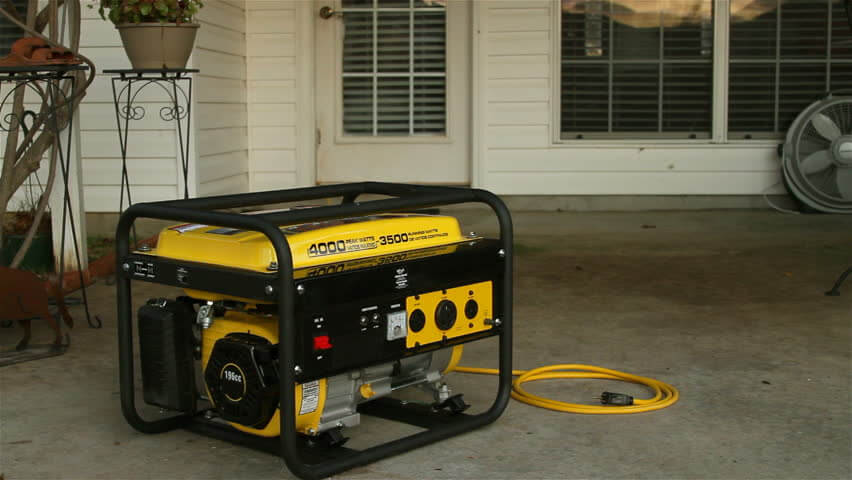
There may be nothing more annoying and inconvenient than a power outage. Lost work time, spoiled food, loss of heat. These things are all consequences that home and business owners face when the electricity unexpectedly goes out.  There is a solution to these problems, and investing in a backup generator is that solution. Although these generator systems aren’t cheap, even if you just purchase a portable generator, they are a great investment. 

8 Benefits of Investing in a Generator 

Whether you’re a business owner or you’re just looking for a generator for your home, there are big benefits to getting a backup power system. You’ll save money, irritation and mental energy in the long run. Consider the following points as you weigh the pros and cons of a new generator.   

  1. Prevent food loss from spoiling. Individuals and families can spend hundreds of dollars a month on foods that stay in the refrigerator or freezer until they’re ready to use those ingredients. When the power goes out and stays out, it can mean that you have to throw out food before you’ve had a chance to use it. 
  2. Standby generators kick within seconds of a power outage. Your neighbors might be without power when the utility company suffers an issue, but with your standby generator, you’ll just have to wait a few seconds. The generator will start and warm up for a few seconds before it starts to power your home, but that shouldn’t take too long, often between 10 and 20 seconds  
  3. When power comes back on, the transition will be smooth. Standby generators help to smooth the transition from generator power back to utility-generated power.  These units typically run for a few minutes after the utility company gets the electricity back up and running, to ensure that the power is indeed stable enough to power your home. Once the motor has cooled a bit and the demand for power has transitioned to the utility lines, the generator shuts off.
  4. Even during an extended power disruption, you’ll be able to entertain yourselves and your family.  You’ll be able to watch TV, listen to music, have electricity to read by, and have hot water for bathing and other usage.  Assuming you have a standby generator, you won’t be dragging out a portable generator and looking for extension cords. With a standby generator, you shouldn’t even have to get up from where you are or interrupt your activities. 
  5. Commercial property and business owners will not see a disruption in their security system coverage. With a backup generator that kicks on within seconds, you’ll hear a warning beep, but the power should be up and running quickly enough that there’s no real disruption in protection for your business.
  6. Generators keep sump pumps working properly. If you have a sump pump  near your basement to keep the water out during particularly rainy and wet times, you won’t have to worry about potential flooding issues from a power loss. A generator keeps the sump pump running with minimal interruption, which could mean minimal damage from wet weather that knocks out the power grid.
  7. You can keep connections with others alive. So many people have digital devices that they use to communicate with others as well as entertain themselves. And we’re talking about more than just a phone. Computers are such a big part of everyday life now. Losing power can be very disruptive.
  8. You never know when you need backup power.  There are many reasons that the power might go out. Severe weather, trees falling onto power lines, even rodents gnawing on connections – these are all reasons that the power might unexpectedly fail, and no one can predict exactly when something like that might happen, or how long it might last, particularly in the winter months when the weather is unpleasant and cold. 

Whether you’re building a new home or looking to add a generator to your emergency kit, there are tradeoffs, like the cost of the system. For a business owner who has power tools to run at work sites or at their main site, a generator is an investment that can help employees get more done. For homeowners, the investment into a backup power system (whether a permanent standby generator or a portable unit) could pay for itself with a bad winter or unpredictable electrical grids. 

For More Information on Automatic Backup and Portable Generators, Call NSHEC Today!

Contact North Shore Home Energy Today!

Check Out Our Current Specials!

Read The Great Things That Your Neighbors Are Saying About NSHEC.

By nshec