Air to Water vs Mini Split HVAC Systems

Air to Water vs Mini Split HVAC Systems

  • Cooling
  • Heating
  • Indoor Air Quality

Air to Water vs Mini Split HVAC Systems

If you’re exploring options for efficient and reliable heating and cooling solutions, both air-to-water heat pumps and mini split HVAC systems are excellent choices. Each system offers unique advantages for maintaining year-round comfort, particularly in regions like Massachusetts, Maine, and New Hampshire, where the climate demands flexible and effective HVAC solutions. The choice between these two will depend on several factors, including your property’s needs, energy goals, and personal preferences. In this blog, we’ll break down the key differences, benefits, and considerations between these systems to help you make the right decision for your home or business.

What is an Air-to-Water Heat Pump, and Why Consider It?

An air-to-water heat pump is an innovative HVAC system that uses outside air to heat or cool water that circulates through pipes in your floors. This type of system is highly energy-efficient, offering a sustainable solution for both heating and cooling needs. Air-to-water heat pumps are particularly suitable for homes and businesses that already have similar systems in place or are looking to upgrade to sustainable, energy-saving HVAC technology. These systems also excel in providing consistent temperature control, regardless of seasonal changes, and are a strong choice for those prioritizing reduced environmental impact.

One key advantage of air-to-water heat pumps is their ability to integrate with other renewable energy systems, such as solar panels, making them a future-proof investment. They can work particularly well in colder climates like New England.

How Does a Mini Split HVAC System Compare?

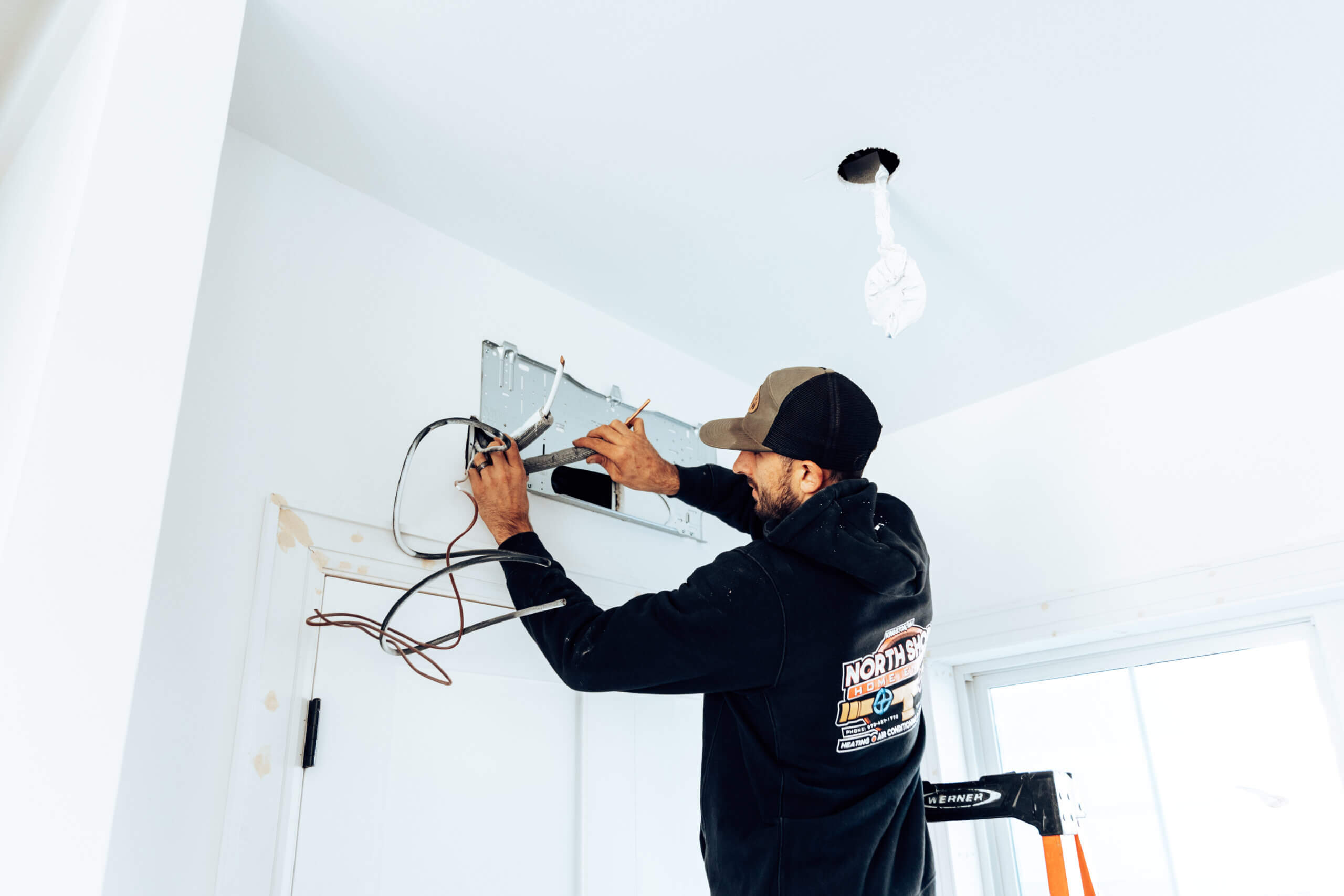
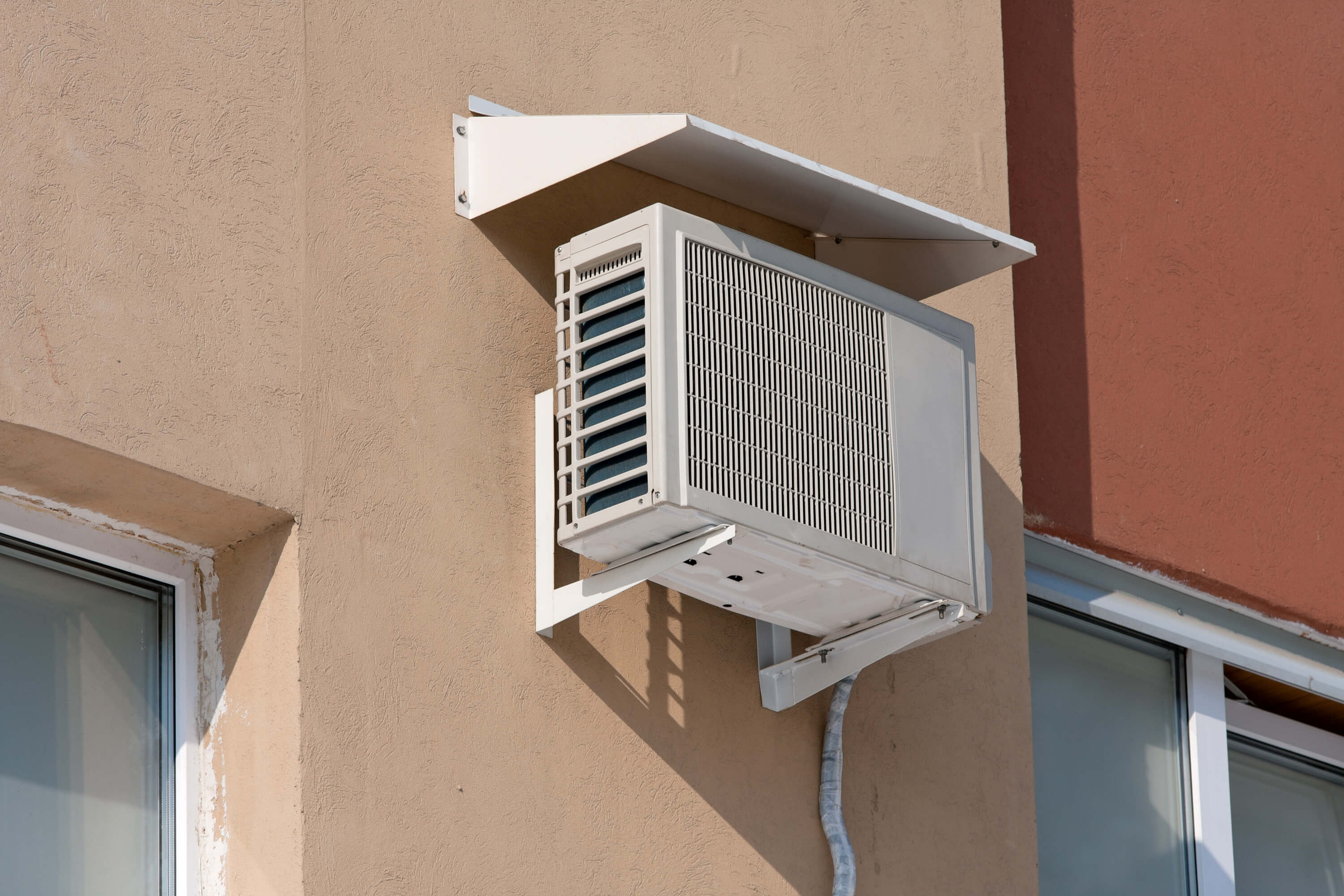
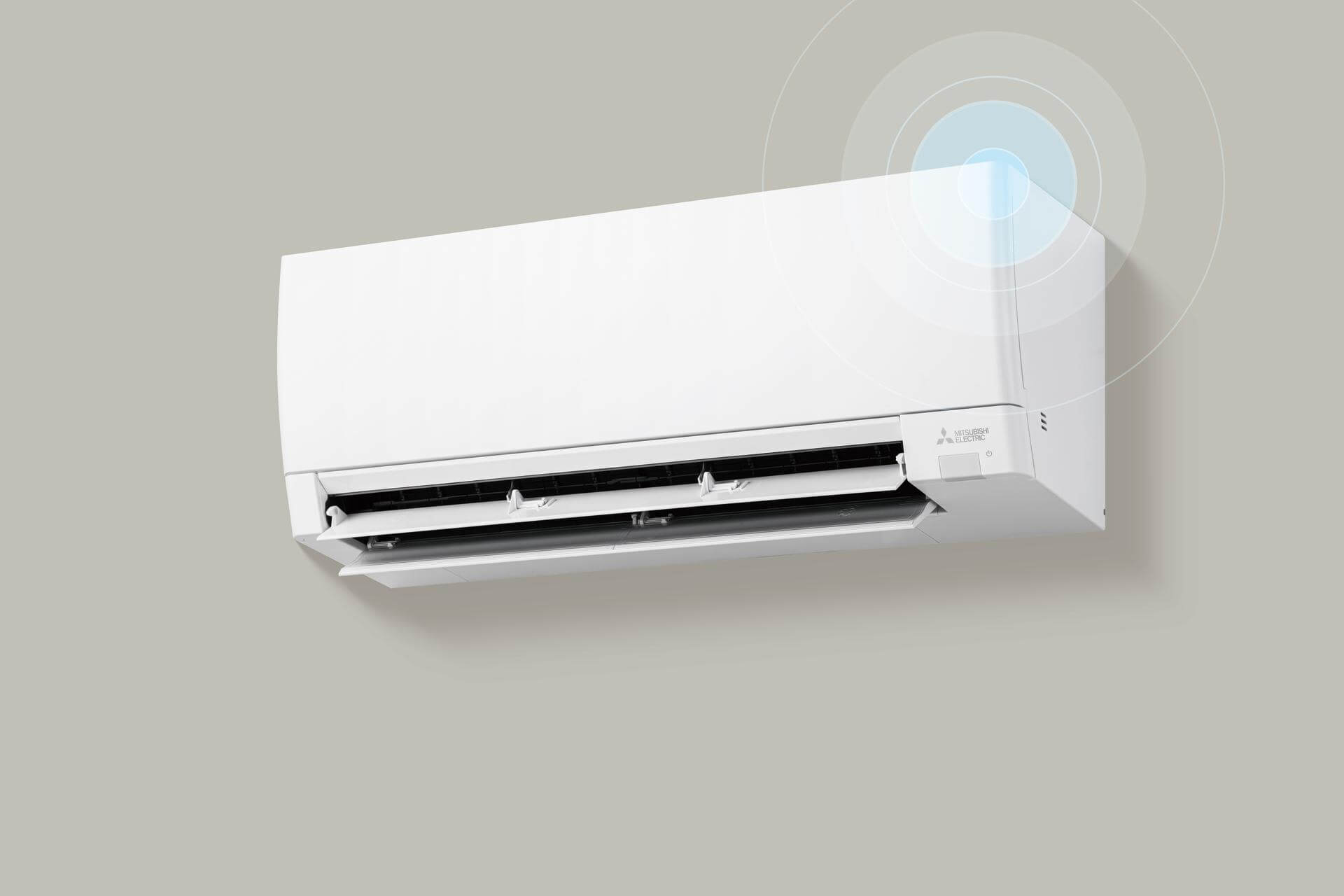
Mini split HVAC systems, often referred to as ductless mini splits, provide a flexible, energy-saving solution for both heating and cooling individual rooms or zones. Unlike centralized systems, mini splits operate without ducts, reducing energy losses common in ductwork. They’re especially effective for homes or buildings with unique layouts or areas that require targeted temperature control. A mini split system consists of an outdoor unit and one or more indoor units, allowing for zoned climate control and customizable comfort.

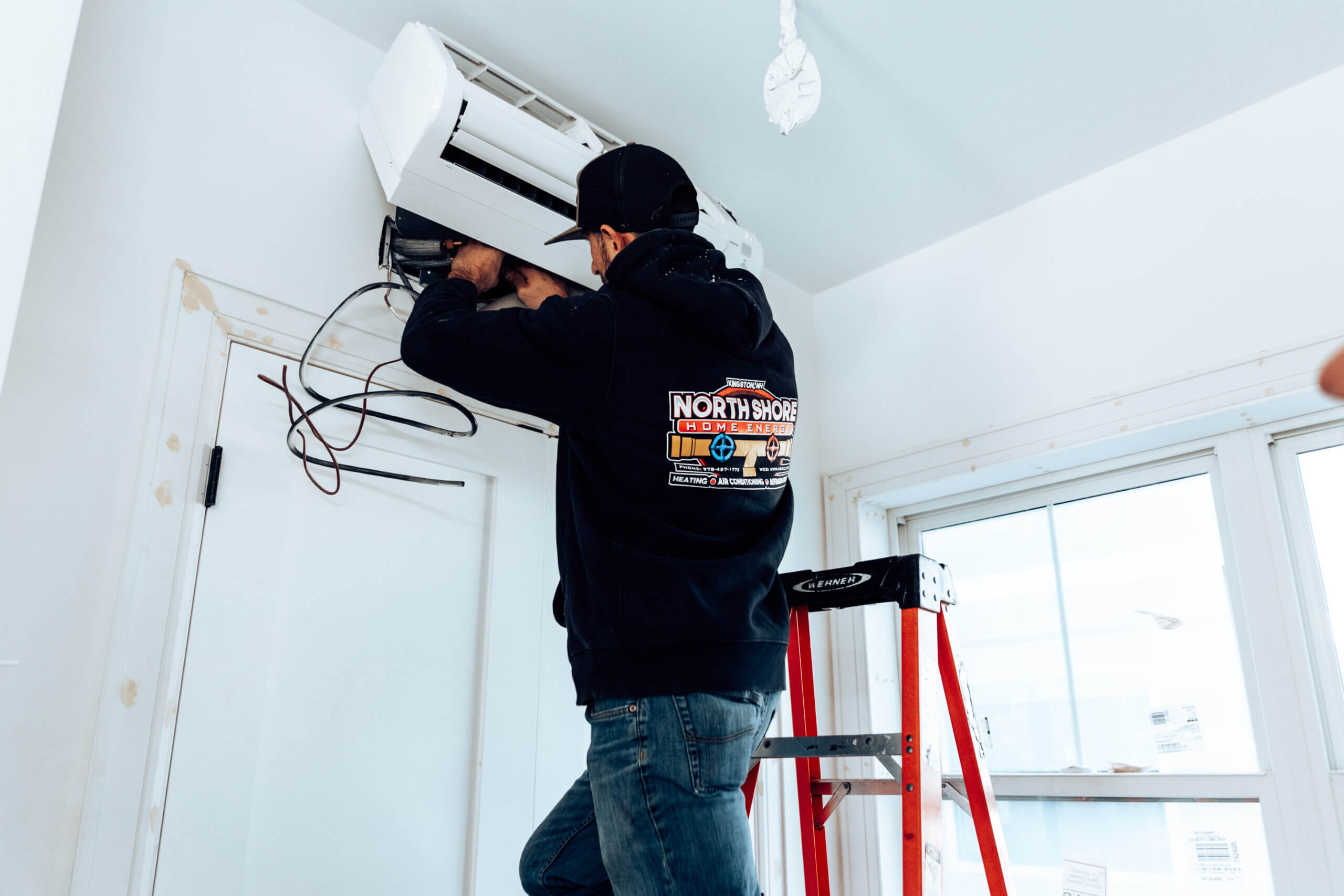
Mini splits are an excellent choice for retrofitting older homes or properties without existing ductwork. They’re also easy to install, with minimal disruption to your space. Additionally, mini split systems use advanced inverter technology, which helps reduce energy consumption while maintaining a consistent indoor climate.

Choosing Between an Air-to-Water Heat Pump and a Mini Split HVAC System

When deciding between an air-to-water heat pump and a mini split HVAC system, it’s essential to consider your specific property needs and goals. An air-to-water heat pump is great for homeowners and business owners who are specifically trying to improve the environmental benefits of their HVAC systems. It is compatible with other environmentally friendly systems like solar panels and greatly impacts your energy efficiency.

On the other hand, a mini split HVAC system is ideal for properties that only need zoned heating and cooling or where retrofitting with ductless options provides an easier and more aesthetically pleasing solution. Mini splits offer greater flexibility if you’re looking to control the temperature in specific areas of your home or office while keeping utility costs low. For most property owners, the choice may come down to the layout of your building, your existing HVAC infrastructure, and your energy efficiency goals.

Factors to Consider When Choosing

Existing Systems: Does your home have an existing system/ductwork that needs to be upgraded or removed?
Property Layout: Do you need the entire property to be one uniform temperature, or would zone-based heating/cooling be effective?
Energy Goals: Are you looking to reduce greenhouse gas emissions or connect your HVAC system to renewable energy sources?

Contact North Shore Home Energy for Energy Efficient HVAC Solutions

At North Shore Home Energy, we specialize in helping homeowners and businesses across Massachusetts, Maine, and New Hampshire find the perfect HVAC upgrades for their unique needs. Our team provides expert recommendations, installation, and service to ensure your system operates at its best year-round. Contact us today to learn more about your options and take the next step toward a more comfortable and energy-efficient property.

By erick

Are Mini Split AC Systems Cost-Effective?

Are Mini Split AC Systems Cost-Effective?

  • Cooling
  • Heating

Are Mini Split AC Systems Cost-Effective?

Mini split AC systems are an energy-efficient solution for your cooling and heating needs, providing comfort while keeping costs manageable. With their compact design and ability to control temperature in individual zones, they offer a modern approach to temperature control for homes and businesses. These systems are increasingly popular in Massachusetts, Maine, and New Hampshire, where homeowners look for cost-effective and efficient ways to combat fluctuating weather conditions. This blog will explore the cost-effectiveness of mini split systems, their energy-saving features, and additional benefits. If you have questions about rebates or other programs, please reach out to our team.

How Do Mini Split AC Systems Improve Energy Efficiency?

Mini split systems are designed with energy efficiency in mind, making them ideal for reducing energy consumption. These systems utilize advanced technology to regulate output based on real-time needs, avoiding the energy spikes common in traditional HVAC systems. By delivering precise temperature control to specific zones of your home, energy waste is minimized, as you only heat or cool the areas you use. Additionally, their streamlined design eliminates the need for ductwork, which can often lead to energy loss. With mini split systems, you’ll enjoy consistent comfort while keeping your energy usage in check.

Are Mini Split Systems a Cost-Effective HVAC Option?

When considering the initial investment versus long-term savings, mini split AC systems prove to be a cost-effective choice. While the upfront installation may require careful budgeting, the ongoing savings in energy bills often outweigh the initial costs. Their efficiency means that less energy is required to maintain your ideal indoor climate, leading to noticeable reductions in utility expenses. For homeowners in New England, where the weather changes dramatically from winter to summer, the ability to save on heating in winter and cooling in summer adds to their cost-effectiveness. Additionally, some states have rebate programs, and there are also financing options to help tackle that initial upfront cost.

What Additional Benefits Do Mini Split Systems Offer?

Beyond energy efficiency and cost savings, mini split systems provide several notable benefits. Their compact size and flexibility allow for easy installation in a variety of spaces, including older homes without existing ductwork. They also operate quietly, ensuring a peaceful environment for your family or business. Advanced air filtration features improve indoor air quality by reducing allergens and pollutants, making them an excellent choice for healthier living spaces. Finally, the zoning capabilities offer personalized comfort levels, allowing you to tailor temperatures in different rooms to suit specific preferences.

Contact North Shore Home Energy for HVAC Solutions

Mini split AC systems are an investment in comfort, efficiency, and long-term savings. By opting for these modern HVAC solutions, you can enjoy optimized energy use, tailored climate control, and reduced operational costs. At North Shore Home Energy, we specialize in providing expert heating and cooling services in Massachusetts, Maine, and New Hampshire. Contact our team to discuss recommendations for your property.

By erick

When To Schedule Your AC Tune Up And Maintenance

When To Schedule Your AC Tune Up And Maintenance

  • Cooling

When To Schedule Your AC Tune Up And Maintenance

HVAC issues are easily avoided when you prepare your home for the warmer months ahead. Scheduling routine care for your cooling system ensures your equipment runs smoothly before the summer heat arrives. For property owners in Massachusetts, Maine, and New Hampshire, taking proactive steps this spring means enjoying a comfortable indoor space throughout the summer. In this guide, we’ll explore the benefits of early system preparation and show you how a little attention today prevents major issues tomorrow, especially when HVAC contractors are at their busiest.

Benefits of AC Spring Tune-ups

Frequent HVAC repairs usually stem from neglected equipment. Contractors across the country, as well as HVAC system manufacturers, all recommend routine maintenance and repairs. Things as simple as changing out filters can prevent serious issues in the future. When you arrange for an inspection in the spring, a technician can spot minor wear and tear before it escalates into a system failure during the hottest months of the year. This proactive approach saves you from dealing with sudden breakdowns and ensures you are comfortable during the summer. Replacing worn parts early on keeps the entire unit functioning at its best, which can also improve its longevity and energy efficiency.

How Can AC Repairs Be Prevented Through Routine Checks?

Avoiding costly AC repairs starts with understanding how dirt and debris affect your equipment over the winter. As your AC sits idle, leaves and dust accumulate inside the vital components. Cleaning these areas restores proper airflow and allows the system to operate without unnecessary strain. Common steps to prevent damage include:

  • Clearing debris from the outdoor condenser unit to improve air circulation.
  • Checking the refrigerant levels to ensure optimal cooling capacity.
  • Inspecting electrical connections to prevent sudden power failures.

Obviously, these tips differ based on the type of AC system you use. If you are using a mini split, your HVAC contractors will need to inspect both the indoor units and outdoor equipment. Quick inspections and tune-ups ensure your system runs efficiently and lead us into the specific actions taken during a professional visit.

What Exactly Happens During Professional HVAC Tune Ups?

Professional HVAC tune-ups involve a comprehensive review of your entire HVAC system. We examine every moving part to verify that nothing is loose, damaged, or needs to be replaced. Our team also cleans the system and tests the thermostat calibration so your home reaches the correct temperature. There are different steps based on your unique system. Homes that rely on ductwork will need that to be inspected, while homes that use mini-split systems can require diagnostic testing as well as equipment tune-ups.

Why Is Spring The Best Time For HVAC Maintenance?

Spring serves as the ideal season for HVAC maintenance because the weather is mild and your cooling unit is not yet under heavy usage. Beating the summer rush ensures you get a convenient appointment time without waiting days for an available technician. Getting ahead means saving on utility costs during the summer as well. Securing your inspection now guarantees peace of mind and leaves you fully prepared for the upcoming season.

Contact North Shore Home Energy To Schedule Your Service

Proper preparation is the key to maintaining a comfortable and efficient home environment. If you need reliable assistance preparing your system in Massachusetts, Maine, or New Hampshire, we are here to help. Contact North Shore Home Energy today to set up your comprehensive inspection and enjoy a perfectly chilled home.

By erick

How Do You Know if Your Thermostat Is Broken?

How Do You Know if Your Thermostat Is Broken?

  • Heating
thermostat tips

How Do You Know if Your Thermostat Is Broken?

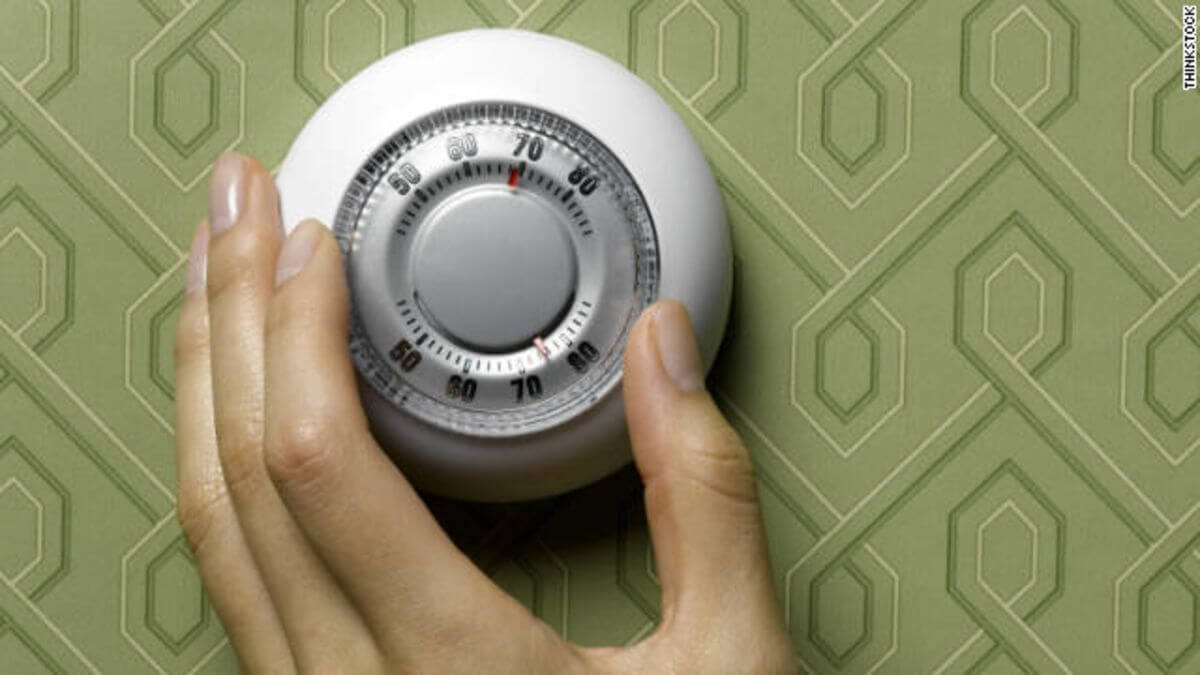
When you notice your home’s temperature doesn’t match the setting on your device, this is often a sign that there is something wrong with your thermostat. A faulty thermostat can lead to higher energy bills, unnecessary strain on your HVAC system, and issues with your home’s temperature. Troubleshooting a broken thermostat can help you determine if you need a simple fix or professional help. This guide will walk you through common thermostat problems and what they mean for your home’s heating and cooling.

thermostat tips

What Are the Signs of a Faulty Thermostat?

The most common sign of a problem is when your HVAC system does not turn on or off as it should. Your thermostat is the command center for your heating and cooling equipment. When it fails, it cannot properly communicate your desired temperature, leading to a system that runs constantly or one that never starts at all. Other indicators include a blank screen, unresponsive controls, or frequent and rapid cycling of your air conditioner or furnace. These issues suggest it might be time for a diagnostic check.

Why Won't My Thermostat Turn On My AC or Heat?

Your thermostat may not activate your AC or heat if it has lost power, has faulty wiring, or its internal components have failed. A simple reason could be dead batteries, so checking those first is always a good step. If changing the batteries does not solve the problem, the issue could be more complex. Internal dust and debris can sometimes interfere with connections, while incorrect installation can also cause communication failures. A malfunctioning thermostat can mimic the symptoms of larger problems, making it an important part of any air conditioning repair assessment.

Can a Bad Thermostat Cause High Electric Bills?

Yes, a faulty thermostat can absolutely lead to surprisingly high energy bills. When a thermostat has inaccurate temperature readings, it causes your HVAC system to run longer and more frequently than necessary to reach the desired setting. This constant operation, known as “short cycling” or nonstop running, consumes a significant amount of energy. Some common causes for these inaccurate readings include:

  • Poor Placement: A thermostat located in direct sunlight, near a heat source like a lamp, or in a drafty area will not read your home’s average temperature correctly.
  • Dust Buildup: The internal sensors can become coated with dust, which insulates them and prevents accurate temperature detection.
  • Aging Components: Over time, the internal parts of the thermostat can wear out, losing their calibration and efficiency.

Addressing a broken thermostat is a key part of effective energy management and overall HVAC maintenance.

When Should I Replace My Thermostat?

You should consider replacing your thermostat if it is old, consistently malfunctioning despite basic troubleshooting, or is incompatible with a new, high-efficiency HVAC system. While some issues can be repaired, an outdated thermostat lacks the features and accuracy of modern models. Upgrading provides better temperature control, improved energy efficiency, and access to smart features that can lower your utility costs. If your thermostat requires frequent attention or is nearing a decade in age, investing in a replacement is often the most cost-effective solution. During routine maintenance and repairs, our team can help you identify opportunities for upgrades or help replace faulty parts.

Contact North Shore Home Energy for Thermostat Services

A functioning thermostat is essential for a comfortable and efficient home. Regular HVAC maintenance can help identify these issues before they become major problems. If you are experiencing thermostat trouble in Massachusetts, Maine, or New Hampshire, contact North Shore Home Energy. Our team is ready to provide expert diagnostics and solutions to keep your home comfortable all year round.

By erick

Guide to Mini Split AC Systems

Guide to Mini Split AC Systems

  • Cooling
  • Heating

Guide to Mini Split AC Systems

Mini Split AC systems have grown in popularity due to their energy efficiency, versatility, and ability to provide customized comfort for homes and businesses. These systems are an excellent choice for those looking to save on energy costs while maintaining consistent indoor temperatures. At North Shore Home Energy, we specialize in the installation of Mini Split AC systems and take pride in being Mitsubishi Diamond Contractors. We are committed to delivering high-quality Mitsubishi Electric systems backed by expert service and support. Whether you’re upgrading your current HVAC setup or planning a new installation, Mini Split AC systems offer an innovative solution tailored to your specific needs.

What Are Mini Split AC Systems & How Do They Work?

Mini Split AC systems, also known as ductless mini splits, are highly efficient heating and cooling systems designed to provide personalized comfort without the need for extensive ductwork. These systems consist of two main components: an outdoor unit, which houses the compressor and condenser, and one or more indoor units, which deliver conditioned air directly into specific zones. The two units are connected by a conduit that contains the refrigerant line, power cable, and communication wiring.

The system works by extracting heat from the indoor air and transferring it outside during the cooling process, or reversing the process to bring heat indoors during colder months. This is achieved through the use of refrigerant, which absorbs and releases heat as it cycles through the system. Because Mini Split AC systems operate on a zoned approach, they allow users to control the temperature in individual rooms or areas, significantly enhancing energy efficiency and comfort. This makes them an excellent solution for homes with varying heating and cooling needs across different spaces.

What Are The Benefits of Mini Split Systems?

One of the primary benefits of Mini Split systems is their flexibility and ease of installation, as they do not require existing ductwork. This makes them an ideal solution for older homes, home additions, or spaces where installing ducts would be either impractical or too costly. Additionally, since they operate on a zoned approach, Mini Split systems allow users to heat or cool only the areas that are in use, leading to significant energy savings and reduced utility bills. Another advantage is their quiet operation, especially compared to traditional HVAC systems, which can be intrusive. Mini Splits also provide excellent air filtration, improving indoor air quality by reducing allergens and dust. Their compact design ensures they can blend into almost any space without taking up floor space or detracting from the aesthetics of a room. Overall, Mini Split systems provide a customizable, efficient, and modern solution for both heating and cooling needs.

When Would HVAC Contractors Not Recommend a Mini Split System

Mini-split systems and central air conditioning systems differ significantly in terms of design, functionality, and ideal use cases. Mini-splits are ductless systems that provide zone-specific temperature control, which is perfect for properties with varying heating and cooling needs across rooms. Central AC systems, on the other hand, use a network of ducts to deliver conditioned air throughout an entire building, making them better suited for properties where uniform cooling is desired in all spaces. Central systems are also a popular choice for larger buildings, as they are typically more cost-effective for cooling extensive areas.

For these reasons, mini-split systems may not be the right choice in certain situations. For instance, large commercial establishments or homes with multiple rooms that require constant temperatures may find central AC systems to be more practical and efficient. Additionally, the upfront cost of installing multiple indoor mini-split units in a bigger property could prove to be less cost-effective compared to a single central cooling system. Another consideration is aesthetic preference—while mini-splits are compact, their indoor units remain visible and may not appeal to everyone.

At North Shore Home Energy, we understand that every property is unique. Our team of experts takes into account the building layout, the client’s budget, and individual preferences to recommend the most suitable system for their needs. Whether you are deciding between mini-splits, central AC systems, or another HVAC solution, North Shore Home Energy is here to guide you through the process and ensure your property stays comfortable year-round.

Get Help with Your HVAC Projects in Massachusetts, New Hampshire, and Southern Maine

At North Shore Home Energy, we understand that HVAC projects can be overwhelming and complicated. That’s why our team is dedicated to providing exceptional customer service and support throughout the entire process. We are proud to serve Massachusetts, New Hampshire, and Southern Maine with high-quality HVAC solutions for both residential and commercial properties.

By erick

How Does a Heat Pump Work?

How Does a Heat Pump Work?

  • Heating

How Does a Heat Pump Work?

Heat pumps are becoming an increasingly popular choice for homeowners looking for efficient climate control. Understanding the mechanics behind these systems is essential for making informed decisions about your home’s heating and cooling needs. As energy costs fluctuate and technology advances, knowing the ins and outs of your HVAC options can save you money and improve comfort. In this blog, we will discuss how these systems work, weigh the pros and cons, and explain how North Shore Home Energy can help maintain heat pumps for your home.

How Is a Heat Pump Different From a Furnace?

The primary difference lies in how a heat pump manages temperature compared to traditional systems. Instead of burning fuel to generate warmth like a furnace, a heat pump transfers existing heat from one place to another. In the winter, it extracts heat energy from the outdoor air—even when it’s cold outside—and moves it indoors to warm your living space. During the summer, the process reverses, acting like an air conditioner to pull heat out of your home and release it outdoors. This efficient transfer process requires significantly less electricity than creating heat from scratch, making it an eco-friendly option for residents in Massachusetts and New Hampshire.

What Are The Pros & Cons of Heat Pumps?

On the positive side, these units are incredibly energy-efficient, often lowering utility bills, and they provide both heating and cooling in a single system. They are also safer than combustion-based systems since there is no risk of carbon monoxide leaks from the unit itself. However, it is important to note that the upfront installation cost can be higher than traditional systems, and older models used to struggle in extreme sub-zero temperatures. Fortunately, modern advancements have made them highly effective even in our chilly New England winters, making the “pros” list much longer for today’s homeowners.

How Does an Air-to-Water Heat Pump Function?

These systems take heat from the outside air and transfer it to a water-based system, such as radiators or underfloor heating, rather than blowing hot air through vents. This method can provide a very consistent and comfortable heat distribution throughout a building. Additionally, some of these systems can even heat your domestic hot water supply, adding another layer of utility. For homes with existing hydronic distribution systems, this technology presents a modern, efficient upgrade path that integrates well with existing infrastructure.

How Are Heat Pumps Maintained?

To ensure your system runs efficiently and lasts for years, regular heat pump maintenance is essential. Proper upkeep keeps your unit performing at its best, maximizing energy savings and preventing unexpected breakdowns. Simple tasks you can perform include regularly cleaning or replacing air filters to maintain strong airflow. It is also important to keep the outdoor unit clear of debris like leaves, snow, and dirt. Scheduling an annual professional tune-up allows a technician to inspect electrical connections, check refrigerant levels, and clean internal components, ensuring your heat pump operates safely and effectively.

Contact North Shore Home Energy for Expert Service

The team at North Shore Home Energy pride ourselves on having the deep technical expertise required to handle all aspects of heat pump technology. Whether you are looking to install a new high-efficiency system or need a tune-up for your current unit, our team understands the specific climate challenges of Massachusetts and New Hampshire. We provide comprehensive solutions that ensure your home stays comfortable year-round while maximizing energy savings. To learn more about heat pump installation or schedule a service visit, contact North Shore Home Energy online or by phone.

By erick

What Are The Benefits of Heat Pumps

What Are The Benefits of Heat Pumps

  • Cooling
  • Heating
heat pump installation in Kingston by North Shore Home Energy

What Are The Benefits of Heat Pumps

Heat pump benefits for your home or business are numerous, offering an efficient and versatile solution for year-round comfort. As a leading HVAC provider for homes and businesses throughout Massachusetts and New Hampshire, we know the importance of making an informed decision. In this blog, we will discuss the key benefits of heat pumps and how North Shore Home Energy can help with the installation and maintenance of your system.

heat pump installation in Kingston by North Shore Home Energy

How Energy Efficient Are Heat Pumps?

One of the most significant advantages of heat pumps is their exceptional energy efficiency. Unlike traditional furnaces that burn fuel to create heat, a heat pump works by transferring heat from one place to another. During colder months, it pulls warmth from the outside air, even when it’s cold, and moves it inside. In the summer, it reverses the process, pulling heat out of your indoor air to cool your space. This heat transfer process uses less electricity than conventional heating and cooling systems, which can lead to lower energy bills and reduced overall consumption for property owners.

What Are The Environmental Benefits of Heat Pumps?

Heat pumps offer considerable environmental benefits by reducing your property’s carbon footprint. Because they run on electricity and do not burn fossil fuels like natural gas or oil directly, they produce zero onsite emissions. This makes them a much cleaner alternative for heating and cooling. As the electrical grid continues to incorporate more renewable energy sources, the environmental advantage of using electric heat pumps becomes even greater. Choosing a heat pump installation is a forward-thinking step towards a more sustainable and eco-friendly home or business.

Can Heat Pumps Provide Both Heating and Cooling?

The versatility of heat pumps is a major selling point for many property owners. These all-in-one systems provide reliable heating in the winter and effective cooling in the summer, eliminating the need for separate furnace and air conditioning units. This dual functionality not only saves space but also simplifies maintenance and system management. For residents in areas with fluctuating temperatures like Massachusetts and New Hampshire, having a single, dependable system that can handle every season is both convenient and cost-effective. This makes heat pumps an ideal year-round climate control solution.

What Does Heat Pump Maintenance Involve?

To ensure your system runs efficiently and lasts for years, regular heat pump maintenance is essential. Proper upkeep keeps your unit performing at its best, maximizing energy savings and preventing unexpected breakdowns. Simple tasks you can perform include regularly cleaning or replacing air filters to maintain strong airflow. It is also important to keep the outdoor unit clear of debris like leaves, snow, and dirt. Scheduling an annual professional tune-up allows a technician to inspect electrical connections, check refrigerant levels, and clean internal components, ensuring your heat pump operates safely and effectively.

Contact North Shore Home Energy for Your Heat Pump Needs

Our team at North Shore Home Energy specializes in guiding homeowners and businesses through the process of upgrading their climate control systems. We have seen firsthand how a modern heat pump can transform comfort and efficiency. From selecting the right model for your specific needs to performing a seamless heat pump installation, our technicians provide expert service across Massachusetts and New Hampshire. We are committed to helping you enjoy all the benefits these advanced systems have to offer. To learn more about heat pump installation or maintenance, contact North Shore Home Energy online or by phone today.

By erick

How Often Should You Change Your Furnace Filter?

How Often Should You Change Your Furnace Filter?

  • Uncategorized
Don't Get Burned The Dangers of DIY Furnace Repair - Northshore Home Energy

How Often Should You Change Your Furnace Filter?

As winter approaches, keeping your HVAC system running well is crucial for energy efficiency, indoor air quality, and unit longevity. Furnace filters are essential for trapping dust, allergens, and particles, but not changing them on time can reduce airflow and raise energy costs. Setting a regular replacement schedule based on solid guidelines allows you to maximize their efficiency. This article discusses what affects how often to replace filters, practical scheduling tips, and signs to look for to support smart home maintenance decisions.

Don't Get Burned The Dangers of DIY Furnace Repair - Northshore Home Energy

What Factors Influence Furnace Filter Replacement Frequency?

The timing for changing a furnace filter depends on several important factors, ensuring the system works at its best without unnecessary waste. Key considerations include:

  • Filter Type and Thickness: Standard 1-inch filters, common in many homes, should be changed every 1 to 3 months due to limited capacity. Thicker 3- to 4-inch pleated models capture more debris and can last 6 to 9 months. Larger 5- to 6-inch filters can last 9 to 12 months.
  • Household Conditions: Homes with pets, smokers, or high dust levels require more frequent changes, possibly even monthly, to avoid allergen buildup. Individuals with allergies or respiratory issues need to change filters even more often.
  • System Use and Environment: Heavy heating use in winter leads to more debris buildup, shortening filter life by up to 30% compared to off-season times. Urban or polluted areas may need quarterly checks.

How Do You Determine the Ideal Replacement Schedule for Your Home?

Creating a specific schedule starts with knowing the current filter details, then monitoring it regularly. The following recommendations can help guide you:

  • Standard Guideline: Change filters every 1 to 3 months for most residential systems, following manufacturer advice to keep airflow and efficiency high.
  • Pleated vs. Fiberglass: Choose pleated filters for longer-lasting performance and better filtration, extending changes to every 90 days while catching 80% more particles.
  • Professional Input: Consult HVAC specifications or a technician for the exact MERV ratings and compatibility. This will help you balance cost and performance.

When Should You Inspect and Replace Furnace Filters Seasonally?

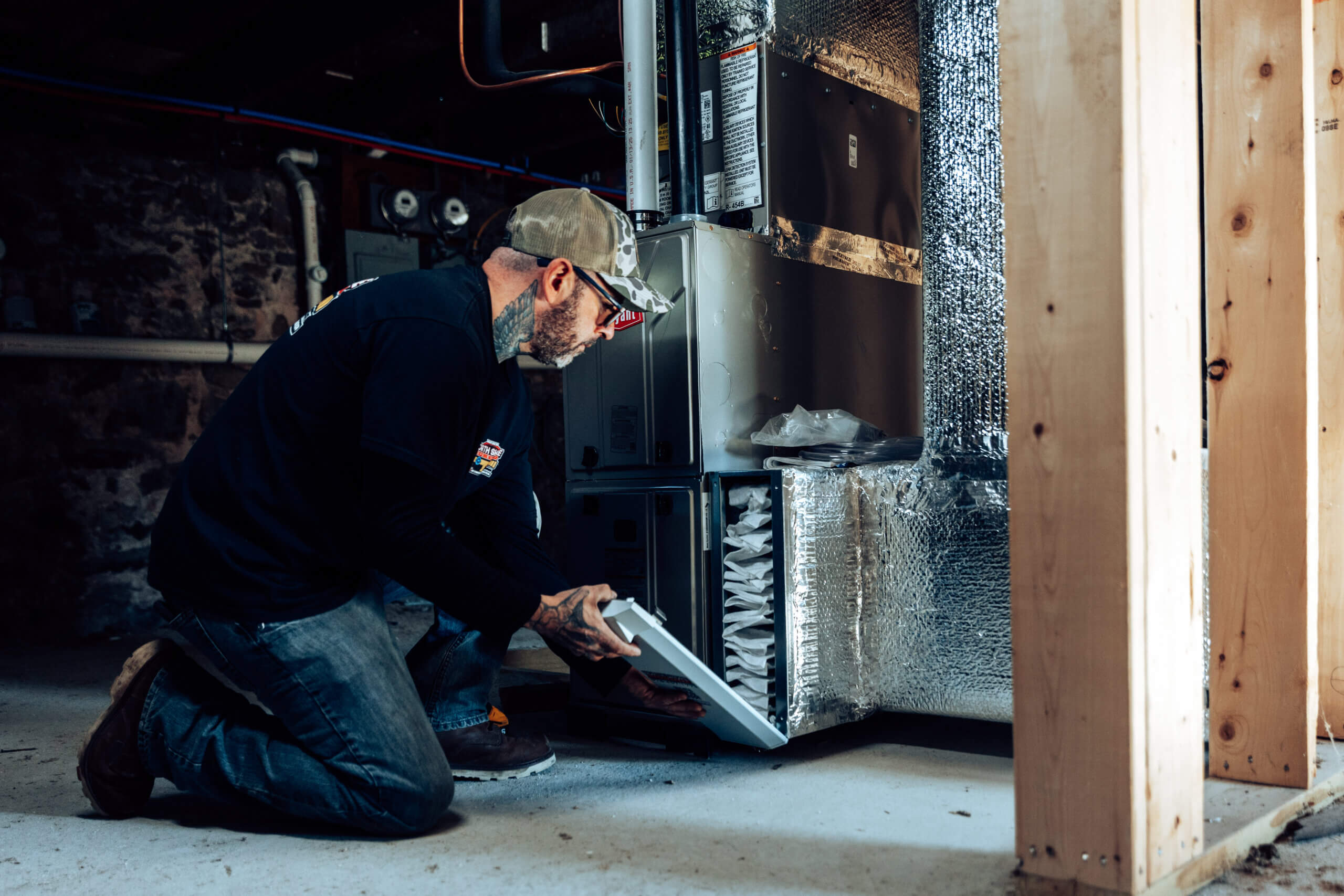
Inspecting your furnace filters prevents issues, especially as heating needs increase. Check the filters monthly during peak seasons like winter or whenever airflow decreases. If a filter looks clogged, discolored, or has a bad odor, replace it immediately. For systems used all year, change filters with the seasons: quarterly in summer and monthly in winter for homes with heavy usage.

Furace Repair & Maintenance in MA, NH, and ME

North Shore Home Energy works with businesses and homeowners throughout Massachusetts, New Hampshire, and Maine to provide a variety of HVAC services, including furnace repair and maintenance services. If you need a seasonal tune-up, need to address a problem, or are interested in replacing/upgrading your system, please contact our team. 

By erick

Benefits of Ductless Heating Systems

Benefits of Ductless Heating Systems

  • Cooling
  • Heating
  • Indoor Air Quality

Benefits of Ductless Heating Systems

More and more homeowners are switching from in-window air conditioners and space heaters to ductless mini split systems. Ductless systems provide heating and cooling for your home year-round and are relatively easy to install. They boast many benefits from their quiet operation and low maintenance, to helping improve the comfort of your home. Here are some of the key benefits of ductless mini split systems.

Energy Efficient HVAC Systems

First and foremost, HVAC tends to be one of the biggest contributors to your utility costs. Energy-efficient systems aren’t just great for the environment, but they also pay for themselves over time by decreasing your energy bills. Mini-split systems are energy efficient because they are designed to control temperatures in specific zones of your property, so you are not wasting energy.

No Ducts Needed For Installation

Of course, one of the key benefits of a ductless system is that it doesn’t need ducts. Ductwork can require a lot of maintenance, as leaks in your ducts, especially near joints, can cause issues with energy efficiency. Mini split systems do not require ductwork at all, as units are strategically placed throughout the property and connected to systems right outside of your home.

Heating & Cooling For Year-Round Comfort

Mini split systems provide heating and cooling for year-round comfort, similar to a heat pump. This means you don’t have to worry about converting your home every summer and winter by lugging around window units. Instead, your system can go from heating to cooling with a single touch of a button. In fact, most ductless systems use remote controls or even smartphone apps, which make it easy to set temperatures.

Scalable Opportunities with Zone-Based Temperature Control

Another great element of ductless systems is that you can scale them up over time. A single outdoor unit can be used to supply multiple indoor units with cool or warm air. This means you can easily reconfigure your units as needed over time. Ductless systems use a zone-based temperature control, so it may make sense to add more units in the future, depending on the arrangement of your home. Changing units is relatively easy to do with a contractor’s help, so you do not have to worry about how rearranging rooms in your home or remodeling will impact your comfort.

Quiet Operation

Ductless systems are also designed to be quiet, so they are less disruptive to your daily life. Instead of having to talk over loud fans and air conditioners, you can enjoy temperature control that is non-disruptive.

Schedule an HVAC Consultation in MA, ME, or NH

North Shore Home Energy provides HVAC services for homes and businesses in Massachusetts, New Hampshire, and Maine. If you are interested in learning more about different HVAC options, including ductless mini split systems, heat pumps, or other environmentally friendly options, please contact our team.

By erick

Should You Replace Your HVAC System

Should You Replace Your HVAC System

  • Cooling
  • Heating
  • Indoor Air Quality

Should You Replace Your HVAC System

HVAC systems are instrumental to your comfort. Modern systems are designed not just to be more energy efficient, lowering your utility costs, but also to provide better and more consistent results. For example, Mini Split systems do not require ducts but can provide zone heating and cooling throughout the year. These systems waste less energy and are quieter while they cool/heat your building. Of course, for homeowners, this leads to many questions, including whether or not replacing their current system is worth it. In this article, we will discuss some considerations and factors to think about when replacing or maintaining your existing HVAC system.

When Is It Time to Replace an HVAC System?

There are many reasons to consider replacing your HVAC system. Most commonly, if you are noticing that your energy bill is going up consistently, or you are spending too much money on routine repairs, you might want to consider replacing your system. Just like with any repair or replacement question, you need to consider what the ongoing cost of maintenance/repair is vs the cost of outright replacement.

What Is the $5,000 Rule with HVAC Systems?

Some HVAC contractors use the $5,000 rule to help homeowners and business owners understand the relationship between maintaining an existing system vs replacing the system with a newer, more efficient system. Basically, you multiply the current age of your HVAC system by its repair cost, and if the outcome exceeds $5,000, you should consider replacing the system. So, if you have a 20-year-old HVAC system that costs more than $250 to repair, it is a good time to consider replacing the system.

Should You Schedule an Energy Assessment?

Before considering a replacement, you might want to consider an energy assessment. The best HVAC system in the world isn’t going to do much if your property has countless air leaks. Having experienced HVAC contractors in your home can help ensure you are making the right decisions. They can take a look and predict the potential upsides of replacing or repairing your HVAC system.

Should You Replace A Working HVAC System?

There are some situations where an HVAC system is “working,” but it isn’t really working for you. If your system is loud, or rooms are too hot or too cold consistently, or you notice that you are overspending on utility costs because your HVAC system is cooling/heating your home when no one is there, you might want to consider a replacement. Modern programmable systems are much better at running efficiently, running quietly, and ensuring that you and your other occupants are comfortable year-round.

HVAC Contractors in Massachusetts & New Hampshire

North Shore Home Energy provides HVAC repair and replacement services for homeowners and businesses in Massachusetts, New Hampshire, and Maine. Our team of dedicated professionals has helped countless customers make the right choice when it comes to replacement/repair. If you have questions about your HVAC system, please give us a call.

By erick